WHEN THE TAPS RUN DRY
Water becomes the priority before almost everything else.
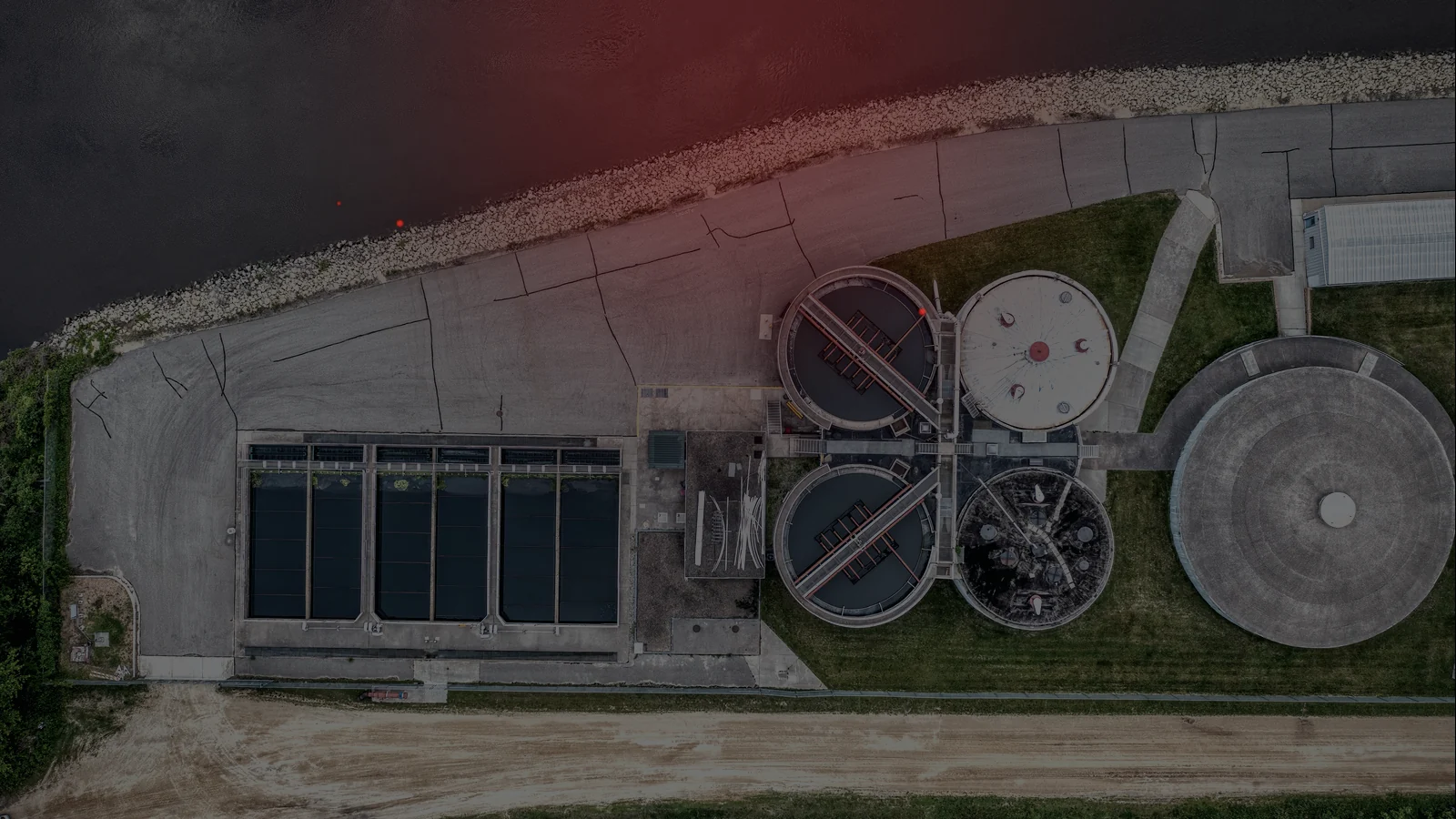
A serious water outage changes drinking, food, hygiene, toilets, medical care and household endurance at the same time. This command centre covers the first hour through long-duration system failure — including purification, rainwater, sanitation and the point where the sewerage system becomes part of the emergency.
COMPLETE WATER SURVIVAL SYSTEM
Twelve guides. One household water plan.
Start with stored drinking water, then move outward into treatment, alternative sources, toilets, sanitation and the network-collapse scenario.
Water Outage Survival Guide
What to do when the taps stop and the cause is still unclear.
Open guide →STORAGE MATHHow Much Water To Store
Calculate realistic drinking and household reserves per person.
Open guide →FIRST 72 HOURS72-Hour Water Plan
Run drinking, food, hygiene, toilets and resupply as one system.
Open guide →LONG DURATION30-Day Water Storage Plan
Understand the weight, space, rotation and reality of a month-long reserve.
Open guide →CONTAMINATION CONTROLSafe Water Storage at Home
Keep emergency drinking water clean, labelled and usable.
Open guide →QUALITY WARNINGBoil Water Notice Guide
Know what to boil, what you can still use and when boiling is not enough.
Open guide →EMERGENCY TREATMENTEmergency Water Purification
Match treatment to the hazard and know when not to drink uncertain water.
Open guide →ALTERNATIVE WATERRainwater Emergency Use
Use collected rainwater to stretch potable supplies without confusing the two.
Open guide →SANITATION FAILUREToilet Without Running Water
Protect the household when toilets and sewerage cannot be treated as normal.
Open guide →HYGIENE CONTROLEmergency Sanitation Guide
Separate clean, dirty and waste zones before illness spreads.
Open guide →PREP CHECKLISTWater Shortage Checklist
Build the reserve, containers, contacts and hygiene kit before the outage.
Open guide →SYSTEM COLLAPSEWhen Mains Water Fails
Stress-test the household against a long, widespread network failure.
Open guide →THE WATER FAILURE CHAIN
One dry tap can become five different emergencies.
Safe potable water becomes the first protected household resource.
Cooking, infant feeds and cleaning equipment all compete for the same clean supply.
Hand washing becomes harder exactly when contamination risk matters more.
Toilets and waste handling need a separate plan before living conditions deteriorate.
Boil-water and do-not-use notices must be verified through trusted official channels.
Alternative supply points are only useful if the household can transport enough water home.
FREE FIELD MANUAL
If the taps stopped tonight, could your household run for 72 hours?
Build the wider plan around water, electricity, food, communications, medication and family contact before the outage tests it for you.
Connect this part of the plan
WATER RESILIENCE
Water becomes urgent faster than most household shortages
Mains water depends on treatment, pumping, power, communications and local distribution. A disruption in one part of that chain may reduce pressure, interrupt supply or trigger official advice about whether tap water is safe to use. Households therefore need both stored water and a plan for what happens after the stored supply begins to run down.
Spread water across manageable containers and keep them clean, sealed and protected from contamination. Allow for drinking, basic food preparation, pets and essential hygiene rather than assuming one figure fits every household. Needs rise in hot weather and with physical activity, so a planning margin matters.
Replacement water needs verification
Do not assume clear-looking water is safe to drink. In a real incident, follow local water-company and public-health instructions on collection and treatment. The guides in this section cover storage, purification, sanitation and the practical problems that appear when taps or treatment systems fail.
Use the water calculator to estimate a baseline, then test whether the household can actually store, move and access that quantity.
Store water where it can still be reached
Large totals can look reassuring on paper but become awkward if every container is heavy, difficult to access or stored in one vulnerable place. Split the reserve across several containers and keep at least part of it easy to reach in darkness or during a fast evacuation. Check containers for leaks and keep drinking water separate from anything used only for cleaning.
Plan for the moment the stored reserve is no longer enough. Know which official sources would confirm supply problems, where replacement water might be distributed and which household tasks can be reduced to conserve the cleanest water for drinking and food preparation.
Make conservation part of the plan
Stored water lasts longer when the household has already decided which uses are essential and which can be reduced. Drinking and basic food preparation take priority, while some cleaning tasks can be postponed or handled with less water. Keeping separate containers for drinking and non-drinking uses can also make the reserve easier to manage.
Check storage periodically so leaks, damaged containers or inaccessible locations are discovered before the supply is needed.
MORE GUIDES
More evidence-led guides
AI Water Infrastructure: Where Artificial Intelligence Helps and Where New Risks Appear
AI water infrastructure explained: leak detection, treatment, demand forecasting, cyber risk and why physical water systems still need human operators.
Open guide →GUIDEAI Infrastructure and Water Shortages: Can Data Centres Add Local Pressure?
AI infrastructure water shortage explained: cooling demand, local water stress, data-centre siting and why national shortage claims need location-specific evidence.
Open guide →GUIDEAI Infrastructure Water Consumption: What the Numbers Actually Mean
AI infrastructure water consumption explained: direct cooling, electricity-related water use, location, efficiency and why headline litres-per-query claims can mislead.
Open guide →GUIDEWater Outage Preparedness: A Practical UK Household Plan
Water outage preparedness UK: safe storage, hygiene, toilet planning, utility updates and what to do before and during a mains-water interruption.
Open guide →MORE GUIDES
More evidence-led guides
Emergency Water Storage: How to Build a Safe Household Reserve
Emergency water storage guide: containers, quantity, rotation, hygiene and practical ways to store drinking water safely at home.
Open guide →GUIDEEmergency Water Storage Containers: What Makes a Container Suitable?
Emergency water storage containers: food-grade materials, size, handling, cleaning, rotation and which container features matter most.
Open guide →GUIDEEmergency Water Storage Containers for Home: Small-Space and Family Options
Emergency water storage containers for home: stackable containers, bottles, larger vessels, storage locations and how to balance capacity with practicality.
Open guide →GUIDEEmergency Water Storage in a Bathtub: What It Is and Is Not Good For
Emergency water storage bathtub guide: hygiene, liners, timing, drinking-water limits and when a bath can provide useful non-potable backup water.
Open guide →GUIDEEmergency Water Storage Bladder: When Flexible Storage Makes Sense
Emergency water storage bladder guide: capacity, bathtub liners, puncture risk, filling, handling and where flexible water storage fits a household plan.
Open guide →GUIDEEmergency Water Storage Bags: Pros, Cons and Safe Uses
Emergency water storage bags: portable pouches, larger liners, durability, food-safe materials and how they compare with rigid containers.
Open guide →GUIDEEmergency Water Storage Barrel: Is a Large Drum Right for Your Home?
Emergency water storage barrel guide: food-grade drums, weight, cleaning, rotation, pumps and whether a large fixed reserve suits your household.
Open guide →GUIDEEmergency Water Storage UK: How Much and How to Keep It Safely
Emergency water storage UK: household quantities, containers, rotation, utility advice and practical planning for mains-water interruptions.
Open guide →GUIDEWater Filter for an Emergency: What Filters Can and Cannot Remove
Water filter emergency guide: particles, microbes, chemicals, boiling, purification and why the water source determines the right treatment.
Open guide →GUIDEWater Filter Emergency Preparedness: Where Filtration Fits in a Household Plan
Water filter emergency preparedness: stored water first, filtration as backup, source selection, maintenance and limits during UK emergencies.
Open guide →GUIDEEmergency Water Filtration: A Step-by-Step Safety Framework
Emergency water filtration guide: source assessment, pre-filtering, filtration, disinfection, storage and when not to treat water yourself.
Open guide →GUIDEWater Purifier Emergency Kit: What Belongs in a Sensible Setup
Water purifier emergency kit: stored water, filter or purifier, clean containers, treatment backup and how to avoid relying on one device.
Open guide →MORE GUIDES
More evidence-led guides
Water Outage Checklist: What to Do When the Taps Stop
Water Outage Checklist — What to Do When the Taps Stop. Evidence-led guidance, practical limits and the steps that matter most.
Open guide →GUIDEEmergency Water Supply at Home: How to Build a Manageable Reserve
Emergency Water Supply at Home — How to Build a Manageable Reserve. Evidence-led guidance, practical limits and the steps that matter most.
Open guide →GUIDEDrinking Water Outage Plan: Protect the Highest-Priority Uses First
Drinking Water Outage Plan — Protect the Highest-Priority Uses First. Evidence-led guidance, practical limits and the steps that matter most.
Open guide →GUIDEEmergency Water for Pets: Add Animals to the Household Calculation
Emergency Water for Pets — Add Animals to the Household Calculation. Evidence-led guidance, practical limits and the steps that matter most.
Open guide →GUIDEEmergency Water Storage for a Small Flat: Space-Efficient Options
Emergency Water Storage for a Small Flat — Space-Efficient Options. Evidence-led guidance, practical limits and the steps that matter most.
Open guide →MORE GUIDES
More evidence-led guides
Water Storage in a UK Flat: Capacity Without Creating a Weight Problem
Water Storage in a UK Flat — Capacity Without Creating a Weight Problem. Evidence-led guidance, practical limits and the steps that matter most.
Open guide →GUIDENo Running Water: A Household Plan for Drinking, Toilets and Hygiene
No Running Water — A Household Plan for Drinking, Toilets and Hygiene. Evidence-led guidance, practical limits and the steps that matter most.
Open guide →GUIDEEmergency Water Purification at Home: Know the Limits Before You Need It
Emergency Water Purification at Home — Know the Limits Before You Need It. Evidence-led guidance, practical limits and the steps that matter most.
Open guide →MORE GUIDES
More evidence-led guides
Water Shortage UK: What a Household Should Do Before Local Restrictions
Water Shortage UK — What a Household Should Do Before Local Restrictions. Evidence-led guidance, practical limits and the steps that matter most.
Open guide →GUIDEEmergency Water Supply UK: How to Build a Practical Home Reserve
Emergency Water Supply UK — How to Build a Practical Home Reserve. Evidence-led guidance, practical limits and the steps that matter most.
Open guide →GUIDEEmergency Drinking Water UK: Storage, Rotation and Safe Use
Emergency Drinking Water UK — Storage, Rotation and Safe Use. Evidence-led guidance, practical limits and the steps that matter most.
Open guide →GUIDEWhere to Store Emergency Water at Home
Where to Store Emergency Water at Home. Evidence-led guidance, practical limits and the steps that matter most.
Open guide →GUIDEWhat to Do If You Have No Running Water
What to Do If You Have No Running Water. Evidence-led guidance, practical limits and the steps that matter most.
Open guide →GUIDEEmergency Water Purifier UK: What a Purifier Can and Cannot Make Safe
Emergency Water Purifier UK — What a Purifier Can and Cannot Make Safe. Evidence-led guidance, practical limits and the steps that matter most.
Open guide →MORE GUIDES
More evidence-led guides
Emergency Water Storage Recommendations: Containers, Rotation and Access
Emergency Water Storage Recommendations — Containers, Rotation and Access. Evidence-led guidance, practical limits and the steps that matter most.
Open guide →GUIDEHow Much Water Should I Store for an Emergency? A Household Planning Method
How Much Water Should I Store for an Emergency? A Household Planning Method. Evidence-led guidance, practical limits and the steps that matter most.
Open guide →GUIDEEmergency Water Filter UK: How to Judge Whether a Filter Is Suitable
Emergency Water Filter UK — How to Judge Whether a Filter Is Suitable. Evidence-led guidance, practical limits and the steps that matter most.
Open guide →GUIDEWater Filter for Emergency Use: Where Filtration Fits in the Plan
Water Filter for Emergency Use — Where Filtration Fits in the Plan. Evidence-led guidance, practical limits and the steps that matter most.
Open guide →FREE 25-PAGE FIELD MANUAL
Your first 72 hours should not live in your head.
Turn the advice into a written household plan: water, power, food, communications, health continuity, information verification and movement decisions.