Water & Sanitation • ALTERNATIVE WATER
Rainwater in an Emergency: Safe Uses, Risks and Last-Resort Drinking
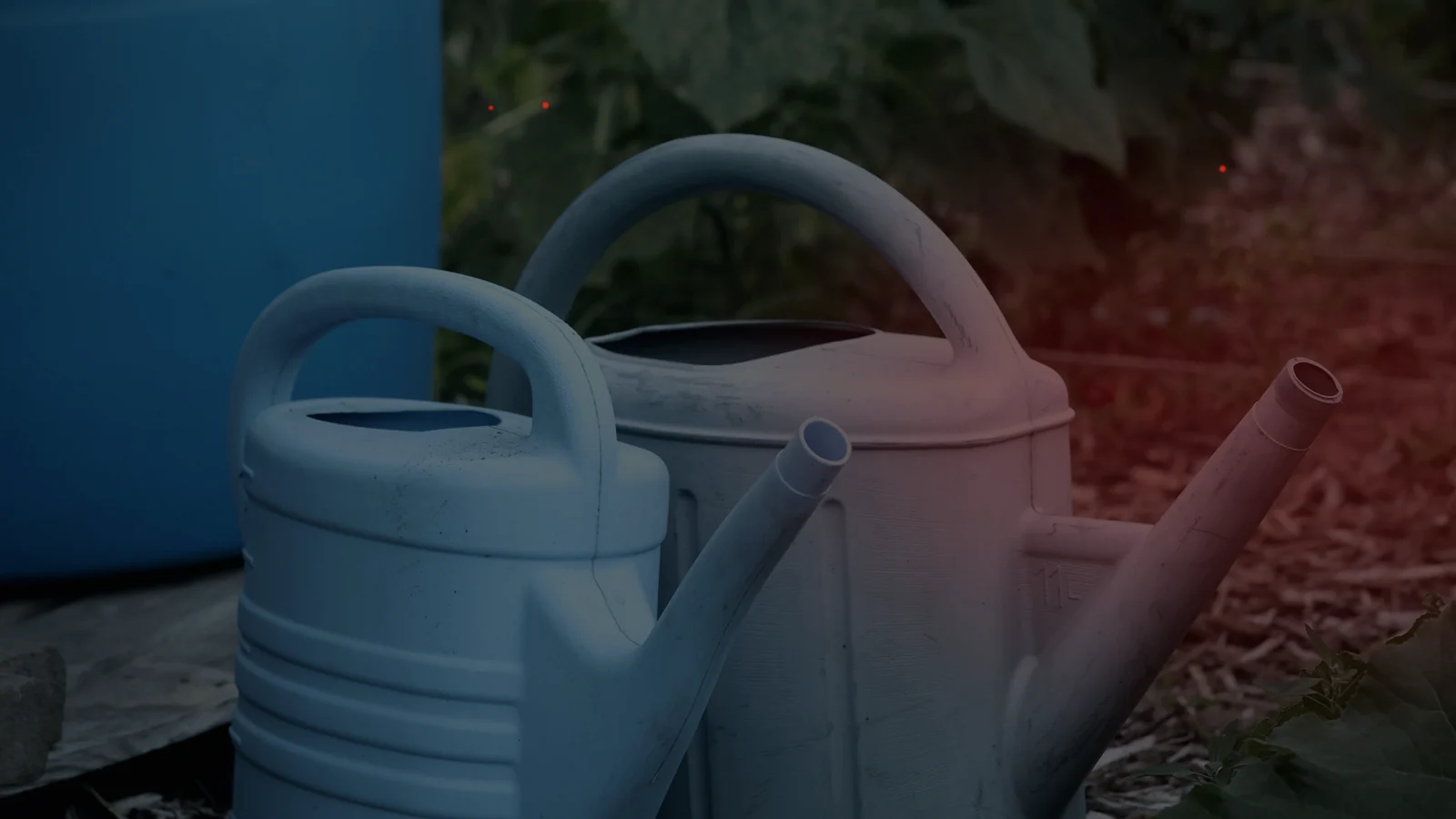
A rain butt can be extremely useful during a water outage because every litre used for flushing or cleaning protects a litre of safe drinking water. The mistake is treating collected rainwater as automatically drinkable just because it fell from the sky.
Use rainwater first as utility water
UK Prepare explicitly recommends considering a water butt for emergency resilience but says not to drink the collected water because it may contain bacteria or disease. Its strongest everyday emergency role is therefore non-potable: flushing toilets when appropriate, cleaning outdoor equipment or other tasks that do not require drinking-quality water. Label utility-water containers clearly and keep them away from your potable reserve. This simple separation can greatly extend the life of bottled water during an outage.
Understand what happens between cloud and container
Rain can pick up contamination from roofs, gutters, bird droppings, insects, leaves, dust and the storage vessel itself. A clean-looking water butt can still contain microorganisms. Roof material and nearby pollution sources also matter. Never assume that colour and smell are a complete safety test. If the collection system has been neglected, has visible algae, has received runoff from treated roofing materials or could contain chemicals, keep the water for non-drinking uses only unless competent official advice says otherwise.
Make the collection system safer before an emergency
Keep gutters reasonably clean, cover storage containers to reduce debris and pests, and use a secure outlet that does not allow children or animals easy access. Do not connect drinking-water plumbing to a rainwater system unless it has been professionally designed for that purpose. Mark containers and pipework so nobody accidentally fills a drinking bottle from a utility source in the dark. Preparedness is easier when the system is understandable by every member of the household, not just the person who installed it.
If normal safe fluids are exhausted, follow current public-health instructions
The UK Chief Medical Officers have published contingency advice for an extremely unlikely national power outage that describes ways some alternative sources, including rainwater, can be made safer to drink if ordinary safe fluids have run out. That advice involves careful source selection, filtering and disinfection. Treat it as last-resort public-health guidance, not permission to casually drink from a water butt. Use the current official instructions available at the time because emergency advice can change with circumstances and contamination risks.
Do not use treatment to override chemical concerns
Boiling targets microorganisms; it does not make chemical contamination disappear. If rainwater has an oily film, strong chemical odour, unusual colour linked to a spill or obvious contact with fuel, paint or pesticides, do not drink it. Likewise, never collect drinking water in a container that previously held chemicals. The safest emergency water is not the water you can force through the most filters; it is the least contaminated source you can access without creating another risk.
Protect your clean-water reserve by assigning uses
Write a simple household rule: sealed or confirmed-safe water for drinking, food preparation, tooth brushing and medical needs; rainwater and other utility water for suitable non-potable jobs. That prevents people from using bottled water to flush a toilet while a water butt sits full outside. Keep the rule visible, especially if guests, children or neighbours are helping during an extended outage.
Plan collection without depending on rainfall
A rainwater system is a supplement, not a guaranteed emergency supply. A long dry period can leave the butt empty exactly when you need it. Build the household plan around stored potable water and official resupply, then treat rainfall as additional resilience. In an AI-collapse scenario, dependency on one weather-sensitive source is still a single point of failure.
Treat collected rainwater as a separate supply
Rainwater can be useful for lower-priority household tasks during an outage, but water collected from roofs, gutters or open containers can contain dirt, animal contamination, chemicals or debris. Do not assume clear-looking rainwater is automatically suitable for drinking. Follow current public-health guidance before using collected water for any purpose involving consumption.
Label rainwater containers clearly so they are not confused with the household’s stored drinking-water reserve.
Collection cleanliness matters
Clean gutters, covered containers and equipment intended for water collection reduce contamination, but they do not guarantee drinking-water safety. Keep collection containers protected from insects, animals and obvious sources of pollution and inspect them before use.
If water has an unusual smell, visible contamination or uncertain source, use a safer supply for drinking and food preparation.
Use rainwater to preserve higher-quality water
Where local guidance says it is suitable, collected rainwater may help with tasks such as some cleaning, garden use or toilet flushing, which can protect stored drinking water from being consumed unnecessarily. Keep the two supplies physically and visually separate.
This is the strongest role for emergency rainwater in most households: extending the life of the clean reserve rather than replacing it automatically.
Keep the collection system maintainable
Emergency rainwater collection should be simple enough to inspect and clean. Remove obvious debris, keep containers covered and avoid using vessels that previously held chemicals or anything unsuitable for water storage. The cleaner the collection system, the fewer problems the household has to solve later.
Do not rely on one collection point. A damaged gutter or contaminated roof can remove that option entirely, so stored drinking water should remain the primary safe reserve.
Match the use to the water quality
Rainwater may be perfectly useful for one household task and unsuitable for another. Keep the intended uses written down so nobody assumes that water collected for toilet flushing or cleaning is automatically suitable for food preparation.
Clear separation protects the highest-quality water and makes the whole reserve easier to manage safely.
Continue from here
Build this topic into a wider plan, then see how the same dependency could fail in an AI-collapse scenario.
Evidence desk
Practical water and sanitation actions on this page use current UK emergency and drinking-water guidance. Catastrophic AI-triggered network failure is scenario analysis, not a claim that such an event is happening or inevitable.
Practical guidance reviewed: August 2026 · In a real emergency, follow official local instructions and emergency services.