Water & Sanitation • SANITATION FAILURE
How To Manage a Toilet Without Running Water
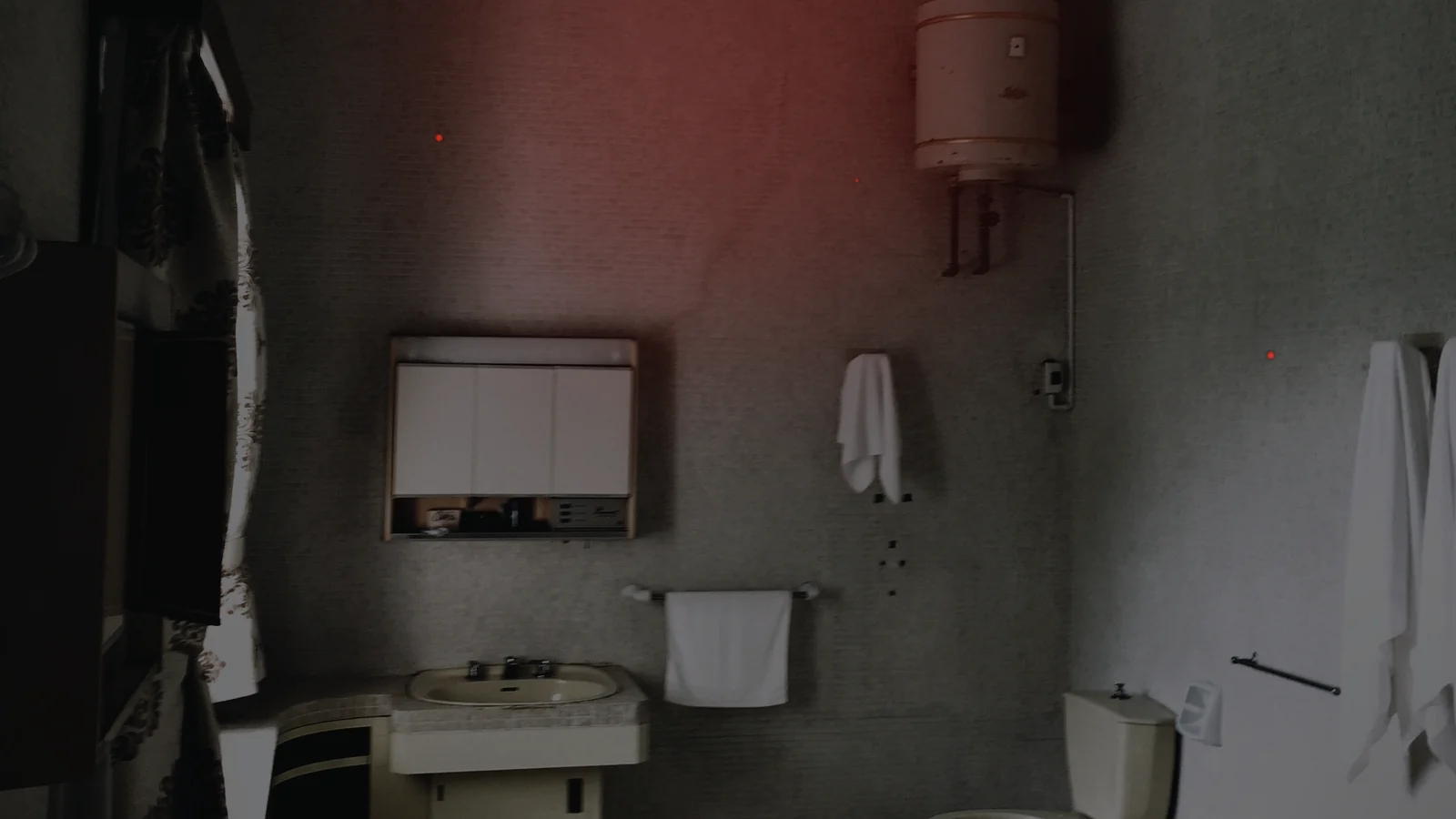
During an ordinary short water outage, sewerage may still function and your water company may give local advice. During a severe or national power failure, however, official contingency guidance warns that sewerage systems may not work and tells households not to keep trying to flush.
Find out whether flushing is actually safe
Do not assume that the toilet itself is the only system involved. Local sewerage may still operate during a routine water-supply interruption, while a widespread power outage could disable pumping and treatment infrastructure. Follow your water company, local authority or emergency broadcasts. In the UK Chief Medical Officers’ national-power-outage contingency script, the instruction for that extreme scenario is not to flush because the sewage system may not be working. The right action therefore depends on the real incident, not a universal prepper rule.
Stop wasting drinking water on a failed sanitation system
If authorities say sewerage is unavailable, pouring stored potable water into the cistern or bowl is doubly harmful: it wastes your most important resource and may add volume to a system that cannot move waste away. Protect safe water for drinking, hand hygiene and food preparation. Keep utility water separate for uses that are explicitly safe in your local situation. The goal is to preserve both hydration and sanitary living conditions.
Prepare a temporary containment method before you need it
Heavy-duty bin liners, a lidded container, absorbent material, toilet paper and cleaning supplies are simple resilience items. In the national-power-outage scenario, the UK CMO advice says faeces should be collected in plastic bags, sealed and disposed of with normal household waste, ideally in an outside bin. Keep the handling area away from food preparation and children. Do not improvise open pits, discharge waste into surface water or create a second contamination route around the home.
Treat hand washing as part of the toilet system
Waste containment without hand hygiene is not a sanitation plan. Reserve some water and soap for washing hands after toilet use and before food preparation. Public-health contingency guidance prioritises hand washing even when water is scarce and recommends a separate washing arrangement if someone has diarrhoea. Hand sanitiser is useful when soap and water are unavailable, but do not let its presence encourage careless handling of waste.
Separate illness from the rest of the household routine
Diarrhoea during a water emergency can accelerate dehydration and spread infection quickly. Give the affected person a separate hygiene setup if possible, clean high-touch surfaces carefully and keep them away from food preparation. Follow NHS or emergency medical advice if there are signs of severe dehydration, blood in stools, persistent vomiting or other concerning symptoms. A collapse scenario is exactly when a preventable gastrointestinal illness can become disproportionately dangerous.
Manage smell, pests and storage without creating hazards
Seal waste bags securely and move them to a protected outside bin if official guidance allows. Keep them away from pets, vermin and floodwater. Avoid mixing household chemicals in an attempt to control odour; dangerous gases can be produced when cleaners are combined. Ventilate the bathroom safely where possible, use absorbent material to control liquid and keep a dedicated waste-handling kit together so people are not hunting for supplies at night.
Restore normal use only when authorities say the system is ready
After a major outage, sewerage and water services may return at different times. Do not assume the first running tap means every downstream system is normal. Follow local instructions about flushing, boil-water notices and wastewater restrictions. Clean and disinfect temporary toilet equipment before storage or disposal, then replenish the household sanitation kit while the lessons are still fresh.
Check whether the sewer system itself is working
A loss of incoming water does not always mean the sewer system has failed, but flooding, sewer damage or official restrictions can change whether flushing is appropriate. Follow local water-company or authority guidance before using stored water to flush toilets during a wider incident.
If authorities advise against flushing, switch to the temporary sanitation method they recommend.
Keep flushing water separate from drinking water
If manual flushing is safe and appropriate, use water that is suitable for toilet use rather than consuming the household’s cleanest drinking reserve. Clearly label any non-drinking water so it cannot be mistaken for drinking or food-preparation water.
This distinction can extend the useful life of the emergency drinking supply by several days.
Prepare a backup before the bathroom becomes a problem
Keep basic sanitation supplies ready and know where local guidance would be checked if toilets cannot be used normally. A planned backup is easier to manage hygienically than an improvised solution created after several people already need the toilet.
Once services return, clean and restore the bathroom according to any official instructions before resuming normal use.
Keep the bathroom from becoming a storage area
During an outage it is tempting to pile buckets, bottles and sanitation supplies around the toilet. Keep access clear and store heavy containers where they will not create trip hazards, especially in poor lighting or for people with limited mobility.
Good organisation reduces spills and makes the temporary routine easier for every household member to follow.
Restore normal use deliberately
When water and sewer services are confirmed operational, clean temporary sanitation equipment, dispose of waste through the correct route and return the bathroom to normal use. Do not leave contaminated containers mixed with ordinary household storage.
Record which supplies were consumed so they can be replaced while the experience is still fresh.
Keep the temporary toilet routine written down if several people share the home. Clear instructions reduce the chance that one person flushes when another has been told not to, or that drinking water is accidentally used for sanitation.
Continue from here
Build this topic into a wider plan, then see how the same dependency could fail in an AI-collapse scenario.
Evidence desk
Practical water and sanitation actions on this page use current UK emergency and drinking-water guidance. Catastrophic AI-triggered network failure is scenario analysis, not a claim that such an event is happening or inevitable.
Practical guidance reviewed: August 2026 · In a real emergency, follow official local instructions and emergency services.