Collapse Timeline • TAPS RUN DRY
When Water Stops Running: The Household Survival Priority
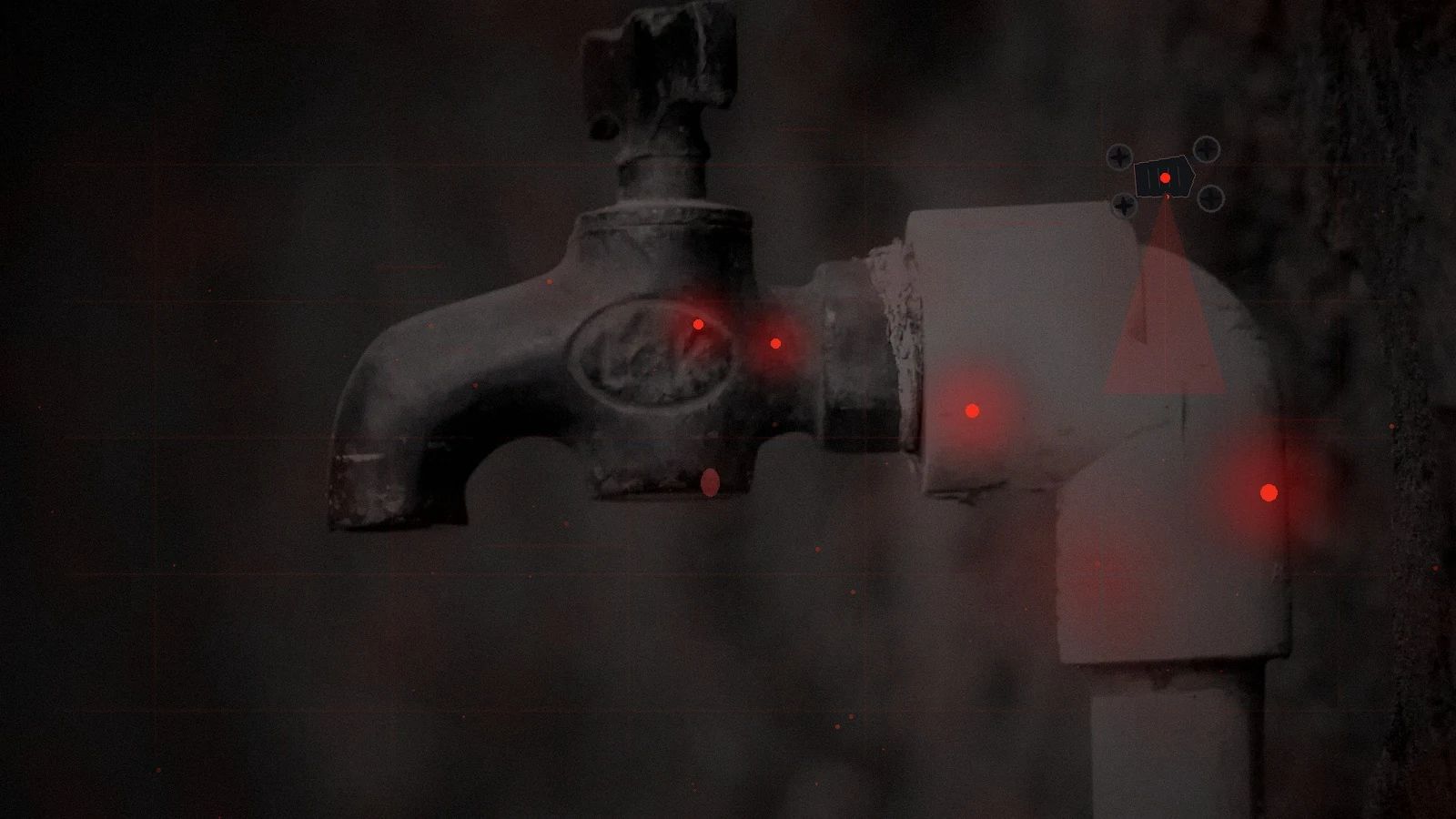
A prolonged power, treatment or distribution failure can turn a digital crisis into a physical emergency. Water becomes urgent because households use far more than they realise — and not every problem can be solved by boiling.
The tap can fail in more than one way
Pressure may drop, pumping stations may lose power, treatment systems may be disrupted or authorities may issue a safety notice even while water still flows. Those are different problems. “Boil water” and “do not use” notices are not interchangeable. Chemical contamination, for example, is not made safe simply by boiling. Follow the exact instruction from your water company and local authorities. If there is no confirmed contamination and supply is merely interrupted, stored potable water becomes the immediate household buffer.
Store water before you need to improvise
A basic emergency reserve should cover drinking and essential food preparation, with extra allowance for hot weather, illness, pregnancy, pets and medical needs. Use clean food-grade containers, keep them closed and rotate supplies sensibly. Do not wait for a crisis to discover that your containers leak or impart taste. Commercial bottled water is simple, but correctly stored tap water can also form part of a plan where local guidance supports it.
Hygiene consumes water faster than thirst
Toilets, handwashing, cleaning and food preparation can consume more than drinking. Separate potable water from water reserved for flushing or cleaning. Alcohol hand gel can reduce some handwashing demand but does not replace hygiene in every situation. Never use unsafe water for tasks where contamination could enter the body. If sanitation systems are also affected, follow local public-health advice rather than inventing disposal methods that create a new hazard.
Treatment is contaminant-specific
Portable filters, boiling and chemical treatment each have limitations. A filter designed for microorganisms may not remove dissolved chemicals. Boiling kills many pathogens but concentrates some contaminants and consumes fuel. In a real water emergency, official information about the cause matters more than generic survival advice. Stored known-safe water is preferable to experimenting with an unknown source.
Households with medical needs need more margin
Dialysis, wound care, infant feeding and some medical devices can make water quality and quantity critical. Build those needs into the plan and discuss continuity arrangements with relevant healthcare providers before any emergency. Do not ration prescribed medication or alter treatment because a generic preparedness article suggested it. If health is at risk, seek professional or emergency help through whatever official route remains available.
Water restoration is not the finish line
When supply returns, there may be flushing instructions, boil notices or temporary discolouration. Follow the water company’s guidance before drinking. Clean containers that have been contaminated and avoid assuming clear water is necessarily safe. A resilient household keeps enough reserve to wait through the uncertain restoration phase rather than using the first water from the tap simply because it has returned.
Make a water budget before panic starts
Water planning becomes clearer when you count people, days and essential uses. Drinking comes first, followed by necessary food preparation and critical medical needs. Hygiene, cleaning and toilet flushing matter too, but they may need different water sources where official guidance permits. A household that labels containers by purpose is less likely to waste known-safe drinking water on a task that could use lower-grade water.
Heat, illness and physical work increase demand. Pets need an allowance as well. The point of a budget is not to force everyone onto the absolute minimum from hour one; it is to see early whether your reserve matches the likely outage and when you need verified resupply.
Collection points create a new logistics problem
During a prolonged interruption, water companies or local authorities may organise bottled-water stations or other supply arrangements. Getting water home can be harder than people expect because water is heavy. Ten litres weighs about ten kilograms before the container is counted. A household that owns sensible containers and a trolley can manage distribution far more safely than one trying to carry improvised open buckets.
Follow the collection rules and priority arrangements in force locally. Do not assume an online rumour about a distribution point is current. In a wider systems crisis, duplicated journeys and queues waste fuel, time and energy.
Sanitation failure can outlast the dry tap
When water returns, sewers, pumps or treatment systems may still be under pressure. Avoid assuming that every part of the water and sanitation system recovers at the same moment. Follow local instructions about flushing, toilets, wastewater and boil notices.
The household lesson is to treat water as a system rather than a bottle count. Safe intake, hand hygiene, food preparation, waste disposal and reliable information all interact. A reserve buys time, but good decisions stop that reserve being undermined by contamination or unnecessary use.
Make a water budget before panic starts
Water planning becomes clearer when you count people, days and essential uses. Drinking comes first, followed by necessary food preparation and critical medical needs. Hygiene, cleaning and toilet flushing matter too, but they may need different water sources where official guidance permits. A household that labels containers by purpose is less likely to waste known-safe drinking water on a task that could use lower-grade water.
Heat, illness and physical work increase demand. Pets need an allowance as well. The point of a budget is not to force everyone onto the absolute minimum from hour one; it is to see early whether your reserve matches the likely outage and when you need verified resupply.
Collection points create a new logistics problem
During a prolonged interruption, water companies or local authorities may organise bottled-water stations or other supply arrangements. Getting water home can be harder than people expect because water is heavy. Ten litres weighs about ten kilograms before the container is counted. A household that owns sensible containers and a trolley can manage distribution far more safely than one trying to carry improvised open buckets.
Follow the collection rules and priority arrangements in force locally. Do not assume an online rumour about a distribution point is current. In a wider systems crisis, duplicated journeys and queues waste fuel, time and energy.
Sanitation failure can outlast the dry tap
When water returns, sewers, pumps or treatment systems may still be under pressure. Avoid assuming that every part of the water and sanitation system recovers at the same moment. Follow local instructions about flushing, toilets, wastewater and boil notices.
The household lesson is to treat water as a system rather than a bottle count. Safe intake, hand hygiene, food preparation, waste disposal and reliable information all interact. A reserve buys time, but good decisions stop that reserve being undermined by contamination or unnecessary use.
Find the bottleneck before the household runs dry
Water planning improves when you count people, days and uses separately. Drinking and essential food preparation come first. Hygiene, pets and medical needs add further demand. Flushing toilets and general cleaning can consume large amounts, so they should not automatically draw from the same known-safe reserve used for drinking.
If an outage becomes prolonged, reassess the household every day: how much confirmed-safe water remains, what official distribution points exist, whether vulnerable people need additional help and whether staying at home is still practical. Do not wait until the final bottle to solve the next supply problem. The earlier you identify the constraint, the more choices you retain. In a real incident, the local water company and public-health instructions determine whether water should be boiled, avoided or used normally; generic survival advice cannot replace contaminant-specific guidance.
Continue from here
Follow the scenario into the systems and household preparations most likely to matter next.
Evidence desk
The practical resilience advice is grounded in current UK emergency and cyber-resilience guidance. The catastrophic sequence on this page is a scenario, not a claim that such a collapse is occurring or inevitable.
Scenario reviewed: August 2026 · In a real emergency, follow official local instructions and emergency services.