Water & Sanitation • LONG DURATION
30-Day Water Storage Plan: Building a Serious Household Reserve
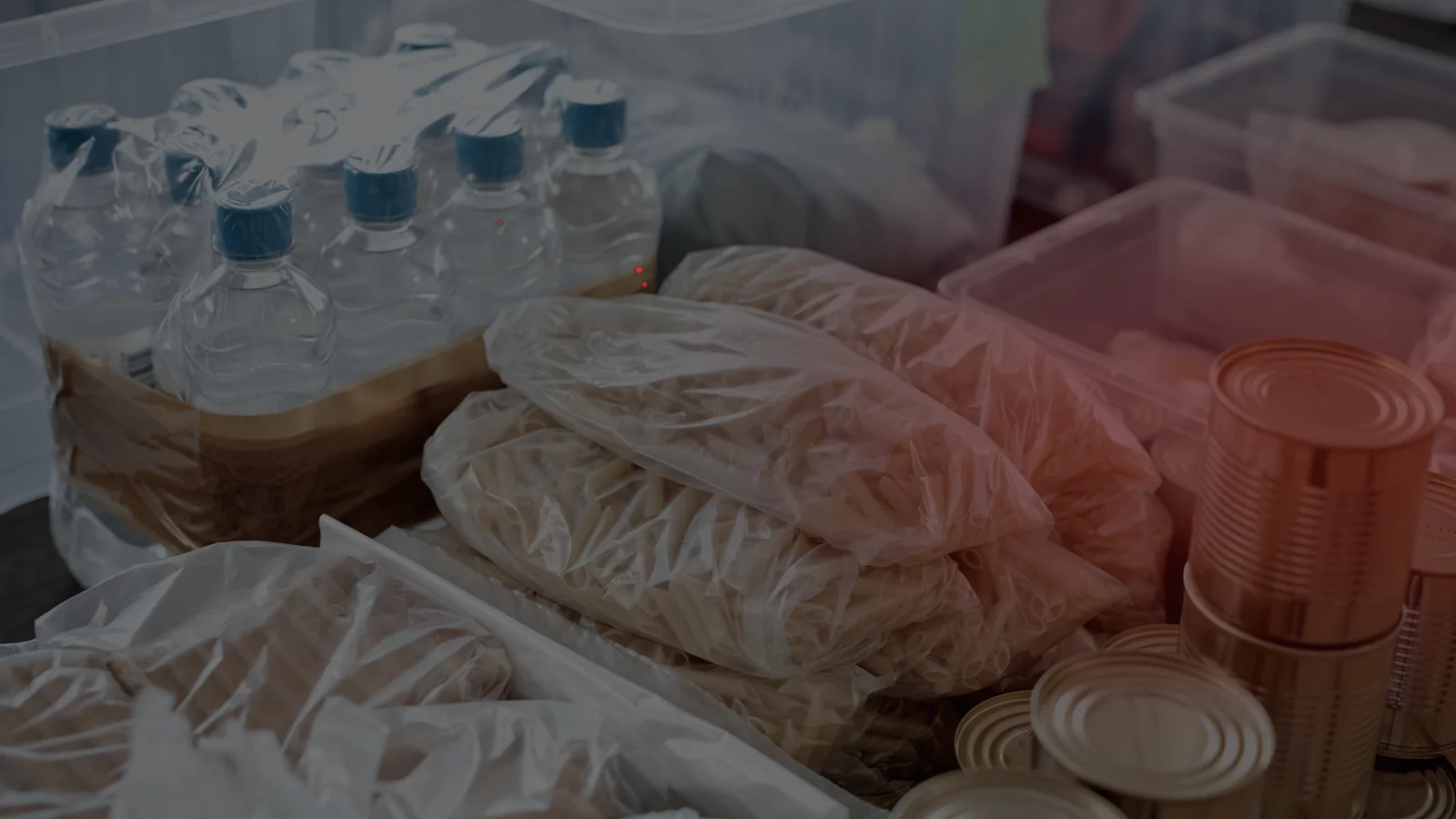
Thirty days of water is not a stack of emergency bottles in a cupboard. At meaningful household volumes it becomes a storage, rotation, weight and space problem, so the plan has to be designed around what your home can safely hold and maintain.
Understand the scale before buying anything
At 3 litres per person per day, one adult needs 90 litres for 30 days just for drinking. Two adults need 180 litres; four people need 360 litres before cooking, hygiene, pets or medical needs. At a more comfortable 10 litres per person per day, a family of four would be planning around 1,200 litres. That is more than a tonne of water. The number matters because it changes where and how you store it. Do not concentrate extreme weight on shelving, lofts or floors without considering structural limits.
Build a layered reserve instead of one giant cache
Divide the month into layers. Layer one is several days of sealed bottled drinking water that is immediately accessible. Layer two is additional potable reserve stored in safe food-grade packaging. Layer three is non-potable utility water for toilets and cleaning. This separation protects the most valuable supply. It also means you can expand capacity gradually. A household that cannot physically store a full month can still build a strong seven-day drinking reserve plus a realistic resupply plan.
Rotation is part of storage, not an optional extra
Emergency water that is never checked is not a reliable reserve. Keep purchase or fill dates, inspect packaging and rotate sealed bottled water through normal use according to manufacturer information. Protect stock from chemicals, extreme heat, sunlight and pests. If you use refillable food-grade containers, follow the container manufacturer and relevant water-safety guidance for cleaning and storage. Never use a container with an uncertain chemical history just because it is large.
Plan where the weight goes
One litre of water weighs about one kilogram, so even modest reserves become heavy quickly. Store containers low, stable and distributed rather than on weak high shelves. Keep enough at ground level for people with limited mobility. Do not block exits, electrical equipment, boilers or stop taps. Think about carrying distance too: a 20-litre container may be manageable for one person in theory but awkward for another in a narrow staircase. Smaller containers improve handling but take more space and packaging.
Do not confuse household storage with indefinite self-sufficiency
A 30-day reserve buys time; it does not make a household independent of treatment, resupply and sanitation. In a real prolonged outage, water companies and authorities may establish alternative supplies, and those should become part of the plan. Rainwater and other non-potable sources can reduce toilet and cleaning demand but should not be casually promoted into drinking supply. Long-duration preparedness works best as redundancy: stored potable water, safe resupply routes, clean containers and a clear sanitation plan.
Set a realistic target and stop before storage becomes unsafe
If your property cannot safely hold the theoretical volume, do not create a structural or contamination hazard chasing a headline number. Prioritise drinking water, special medical needs and several days of comfort capacity. Then improve resupply, transport and utility-water options. A smaller maintained reserve plus a robust collection plan is better than a huge neglected cache. Review the plan whenever household size, pets, medical needs or storage space changes.
Build a month in manageable stages
Thirty days of water is heavy and takes significant space, so start with a shorter reserve and expand only where storage conditions and household needs make sense. Measure the available space, the weight shelves or floors must carry and how the containers will be rotated or accessed.
A plan that cannot be safely stored or moved is less useful than a smaller reserve that the household can actually manage.
Separate drinking, cooking and hygiene assumptions
Long-duration planning becomes more realistic when the household distinguishes drinking water from water used for cleaning, toilets or other non-drinking tasks. Some uses may be met by alternative sources where official guidance says they are suitable, reducing pressure on the safest stored drinking water.
Do not assume one large total covers every purpose automatically. Label containers and uses clearly.
Plan for replenishment rather than total isolation
A thirty-day reserve should not assume the household will receive no outside support for a month. Keep contact information for the water company, know where official updates are published and understand how local distribution or collection arrangements would work if a long outage occurred.
The reserve buys time and flexibility while wider systems recover; it does not need to replace the public water system permanently.
Keep long-term water storage financially sensible
A month-long plan should grow gradually rather than through one large purchase of specialist containers. Start with dependable containers that fit the available space, then expand only after proving the household can rotate, inspect and use them comfortably.
That staged approach keeps cost, weight and storage complexity under control.
Review the plan seasonally
Hot weather, changes in household size, new medical needs or moving property can all change the amount and location of water that makes sense. Recheck the plan at least occasionally rather than assuming the original figure remains correct forever.
Long-term resilience depends on the reserve continuing to match the household that actually lives there.
Keep the reserve easy to count and maintain. A simple list of container size, location and review date prevents the plan becoming a collection of forgotten water that nobody trusts. Refill and relabel anything used during normal life so the month-long buffer remains deliberate rather than accidental.
Keep the month plan realistic enough to maintain year-round, with safe storage, manageable containers and a clear replenishment route.
Keep the long-term reserve manageable, labelled and easy to inspect so stored water remains a useful household resource rather than forgotten weight.
Continue from here
Build this topic into a wider plan, then see how the same dependency could fail in an AI-collapse scenario.
Evidence desk
Practical water actions on this page use current UK emergency and drinking-water guidance. An AI-triggered national water collapse is scenario analysis, not a claim that such an event is happening or inevitable.
Practical guidance reviewed: August 2026 · In a real emergency, follow official local instructions and emergency services.