Water & Sanitation • SAFE STORAGE
Safe Water Storage at Home: Keep Emergency Drinking Water Clean
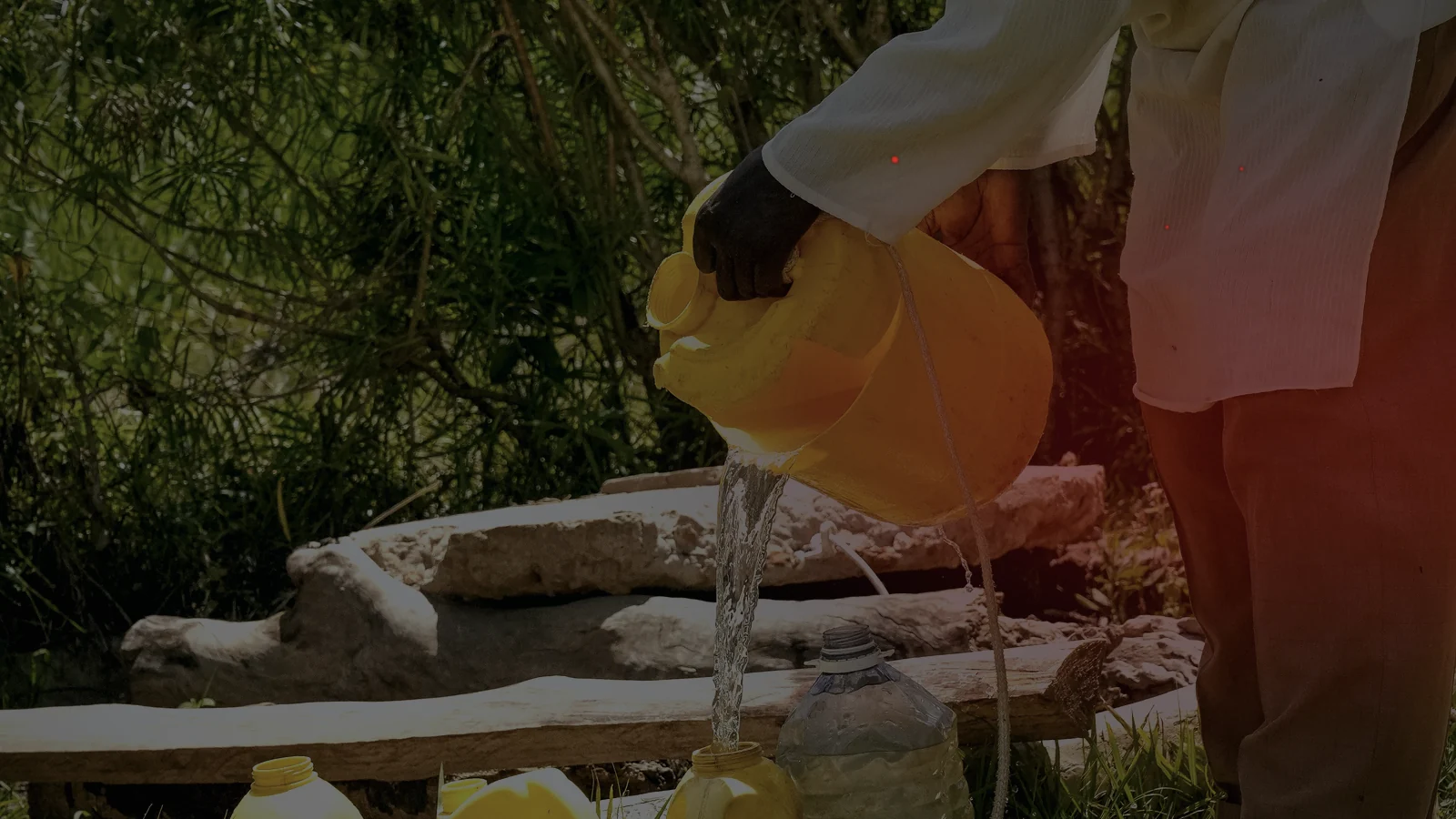
Emergency water storage is mostly a contamination-control problem. The safest reserve is one you can identify, inspect, rotate and protect from chemicals, dirty hands and unsuitable containers.
Commercially bottled water is the simplest long-term reserve
UK Prepare recommends purchasing and storing bottled water for emergencies rather than filling your own containers because commercially bottled water is sealed in food-grade packaging for longer-lasting water safety and quality. Keep it in a cool, clean location away from chemicals and strong odours, and follow manufacturer storage information. Rotate it into ordinary use rather than letting cases disappear behind boxes for years. Damaged, swollen or leaking containers should not be treated as trusted emergency stock.
Only use containers designed for food and drinking water
If you choose refillable storage, use containers specifically intended for potable water or food use and follow the manufacturer’s cleaning instructions. Never reuse containers that held fuel, pesticides, solvents, cleaners or other non-food substances. Residues can remain even after washing. Do not assume a container is safe because it looks clean. Keep caps and dispensing taps protected from dirt and avoid touching internal surfaces with hands or utensils.
Keep potable and non-potable water visibly separate
Utility water for toilet flushing or cleaning should live in differently labelled containers from drinking water. Use large, obvious labels and ideally physically separate storage areas. This matters most when several household members are tired and routines have changed. Rain-butt water is a useful example: UK Prepare says it can be used for flushing toilets or watering plants but should not be drunk because it may contain bacteria or disease. A clear separation rule prevents an emergency shortcut becoming an ingestion risk.
Store low, stable and away from hazards
Water is heavy. Large containers belong on stable surfaces where a leak will not threaten electrical equipment, medicines, documents or escape routes. Avoid hot lofts, garages where chemicals are stored nearby, and shelves that are not rated for the weight. Protect bottles from sunlight where the packaging requires it. Keep at least part of the reserve accessible to children’s carers, older adults or anyone with limited mobility rather than placing every litre in one hard-to-reach location.
Use a rotation and inspection schedule
Add water to the same household inventory used for batteries and first-aid supplies. Check quantity, packaging condition and dates several times a year. Use older sealed bottles in normal life and replace them with fresh stock. If refillable containers are part of the plan, schedule cleaning and refilling according to reliable guidance. Do not rely on memory. A written date on the container and a simple spreadsheet or paper list is enough to prevent forgotten stock.
Protect the reserve during the emergency itself
Once an outage begins, contamination risk rises because people repeatedly open containers, decant water and handle taps with dirty hands. Designate a clean pouring or dispensing area, close containers immediately after use and avoid dipping cups directly into larger vessels. Keep drinking water away from waste-management areas. If you receive a boil-water or do-not-use notice, apply it to stored tap water according to when that water was collected and the exact wording of official advice.
Store water where the container can stay clean and intact
Emergency water is only useful if the container remains sealed, clean and easy to inspect. Use containers intended for drinking water, keep them away from fuel, chemicals and strong odours, and store them somewhere cool and protected from direct sunlight where practical. Heavy containers should sit low enough that they can be moved or dispensed safely without lifting from an awkward height.
Label each container with its purpose and fill date so the household does not have to rely on memory.
Use a mix of container sizes
Large containers are efficient for storage but can be difficult to carry or pour from when full. Smaller bottles are easier for drinking, travel and handing to another person. A mixed reserve gives the household flexibility and reduces the need to repeatedly open the largest container.
Test the weight before deciding where containers live. Water becomes surprisingly heavy once several days of supply are stored together.
Keep dispensing hygienic
A clean tap, jug or smaller bottle can help keep the main reserve closed. Avoid dipping hands, cups or used utensils directly into stored drinking water. If a container or cap becomes dirty, clean it according to the manufacturer’s guidance before reusing it.
During an outage, preserve drinking water for drinking and food preparation first. Use separate non-drinking water for cleaning or toilet flushing where it is safe and appropriate to do so.
Keep storage easy to audit
Use a simple inventory showing container size, location and fill or review date. If water is stored across several rooms, the list prevents forgotten containers and makes it easier to estimate the remaining supply without moving everything.
Inspect caps, handles and container surfaces during each review. Replace anything cracked, leaking or difficult to clean rather than trusting it because it still looks mostly intact.
Keep the reserve understandable to everyone
Label which water is intended for drinking and which is reserved for other uses. If several people share the home, make sure they know the difference before an outage begins.
Good labelling reduces the chance that clean drinking water is used for cleaning or toilet flushing simply because it was the first container somebody found.
Keep storage practical for the least strong person likely to use it. If one container is too heavy to pour safely, add a smaller dispensing vessel or divide the reserve into lighter units. Accessibility is part of resilience because the water has to remain usable even when the usual household organiser is absent.
Keep the reserve easy to inspect, label, lift and dispense safely.
Keep containers accessible enough that the stored water can be used safely by more than one person in the household.
Continue from here
Build this topic into a wider plan, then see how the same dependency could fail in an AI-collapse scenario.
Evidence desk
Practical water actions on this page use current UK emergency and drinking-water guidance. An AI-triggered national water collapse is scenario analysis, not a claim that such an event is happening or inevitable.
Practical guidance reviewed: August 2026 · In a real emergency, follow official local instructions and emergency services.