Water & Sanitation • FIRST RESPONSE
Water Outage Survival Guide: What To Do When the Taps Stop
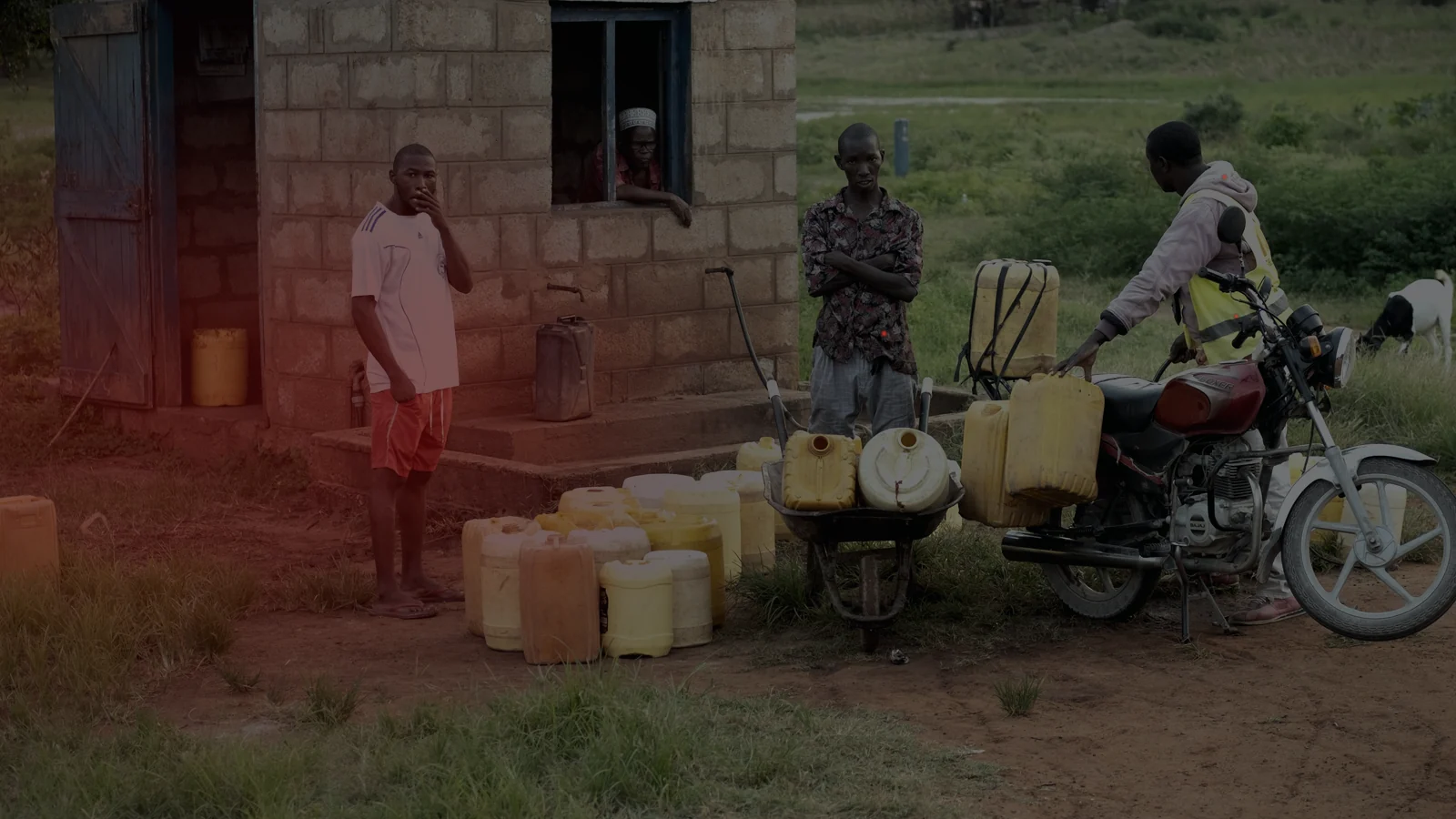
When the taps stop, the first objective is not to hunt for exotic purification gear. It is to protect the safe water you already have, find out whether the outage is local or widespread, and reserve drinking-quality supplies for the jobs that genuinely require them.
THE LAST WORKING TAP
Neighbours are filling pans in the street because pressure is falling. Bottled water disappeared from nearby shops hours ago. Rumours say treatment systems are compromised, but nobody knows which neighbourhoods are affected.
A water outage becomes a survival problem faster than most technology failures because every person in the house needs safe fluid whether the internet exists or not.
Scenario: this is a deliberately extreme “what if?” exercise, not a claim that these events are happening or certain to happen.
Confirm whether the problem is your home or the wider network
Start at the cold kitchen tap, check that the internal stop valve is open and ask a nearby neighbour whether they have the same problem. Water UK recommends these simple checks because an internal plumbing fault needs a different response from a network interruption. Then check your water company website or incident line. In a large disruption, official information may arrive slowly, so write down the time supply failed, any notice wording and the location of alternative supply points. Do not assume low pressure means contamination, but do not ignore a formal boil-water or do-not-use notice if one is issued.
Protect drinking water before using it for anything else
Count sealed bottled water and other safe drinks immediately. UK Prepare notes that there is no single universal storage figure because needs and emergency length vary, but gives 2.5 to 3 litres per person per day as a survival drinking baseline and 10 litres per person per day as a more comfortable planning figure that also supports basic cooking and hygiene. Extra water may be needed for infant formula, medical devices and pets. Treat potable water as a controlled reserve and stop using it for toilet flushing, cleaning or other tasks that can use non-drinking water.
Separate potable water from utility water
Create two clearly labelled categories: safe water for drinking, food, tooth brushing and other ingestion-related uses; and non-potable water for toilets or cleaning where appropriate. Rain-butt water, for example, can be useful for flushing but UK Prepare explicitly says not to drink it because it may contain bacteria or disease. Never pour uncertain water into a drinking-water container unless it has been properly cleaned and you have a safe treatment method appropriate to the actual risk. Cross-contamination can turn a useful reserve into a problem.
Protect vulnerable people early
People who need water for medical equipment, medication preparation, infant feeding or disability-related care need a specific plan before ordinary household convenience becomes the priority. UK Prepare advises households with water-dependent medical devices to plan with their care team and eligible customers to register for water-company priority services. If a real outage is prolonged, contact the water company early rather than waiting until the last safe litre. Keep carers, relatives and neighbours informed if someone depends on a reliable supply.
Run hygiene and toilets on a reduced-water routine
Hand hygiene remains important during an outage because gastrointestinal illness is especially dangerous when safe water is scarce. Use bottled water strategically for hand washing where necessary and follow official advice. Toilets may continue to flush while cisterns contain water, but once they do not refill you may need a planned alternative. Do not pour large amounts of drinking water down the toilet simply to preserve normal routine. Keep soap, alcohol hand gel where suitable, bin liners and cleaning supplies accessible, and avoid allowing waste to accumulate near food-preparation areas.
Escalate from 24 hours to a multi-day plan
If restoration is not expected soon, identify where the next safe water comes from, how it will be transported and how much your household can realistically carry. A litre of water weighs roughly a kilogram, so collection logistics matter quickly. Preserve containers, assign daily drinking allocations, reduce water-intensive cooking and track every refill. If authorities provide bottled water or bowsers, follow their collection and storage instructions. A good outage plan is not about panic buying; it is about staying ahead of the point where thirst, hygiene and medical needs compete for the same remaining supply.
Use a household water hierarchy
During an outage, protect water for drinking and essential food preparation first. Next come important hygiene and medical needs, followed by lower-priority cleaning and toilet uses. That hierarchy keeps limited safe water from disappearing into tasks that could have waited or used another suitable source.
Write the hierarchy down if several people are managing the household so everyone is using the same priorities.
Reduce water demand immediately
Pause laundry, long washing routines and other high-use activities until the likely duration of the outage is clearer. Use simple meals that need less cooking water and minimise unnecessary washing-up. Small reductions in the first hours can preserve a meaningful amount of stored water for later.
Do not compromise basic hygiene around food, medication or sanitation simply to save a small amount.
Recovery can include water-quality instructions
When supply returns, check the water company’s current guidance before assuming the outage is fully over. Repairs can be followed by flushing instructions, pressure changes or temporary boil-water advice in some incidents.
Once normal service is confirmed, refill the household reserve and review what was used so the next outage starts with a complete plan.
Keep communication tied to the water plan
Record the supplier’s official contact route and know where outage updates are published. If internet access fails, a phone number or local authority contact written on paper can still help the household understand restoration and safety instructions.
Do not rely on neighbourhood rumours for water quality decisions. A nearby street can be on a different part of the network and receive different advice.
Use the outage as a test of the reserve
After normal service returns, compare what the household expected to use with what it actually used. Note containers that were awkward, tasks that consumed more water than expected and any missing sanitation supplies.
That review turns one disruption into a better plan for the next without automatically increasing the amount stored.
Continue from here
Build this topic into a wider plan, then see how the same dependency could fail in an AI-collapse scenario.
Evidence desk
Practical water actions on this page use current UK emergency and drinking-water guidance. An AI-triggered national water collapse is scenario analysis, not a claim that such an event is happening or inevitable.
Practical guidance reviewed: August 2026 · In a real emergency, follow official local instructions and emergency services.