Water & Sanitation • FIRST 72 HOURS
72-Hour Water Plan: Survive the First Three Days Without Mains Water
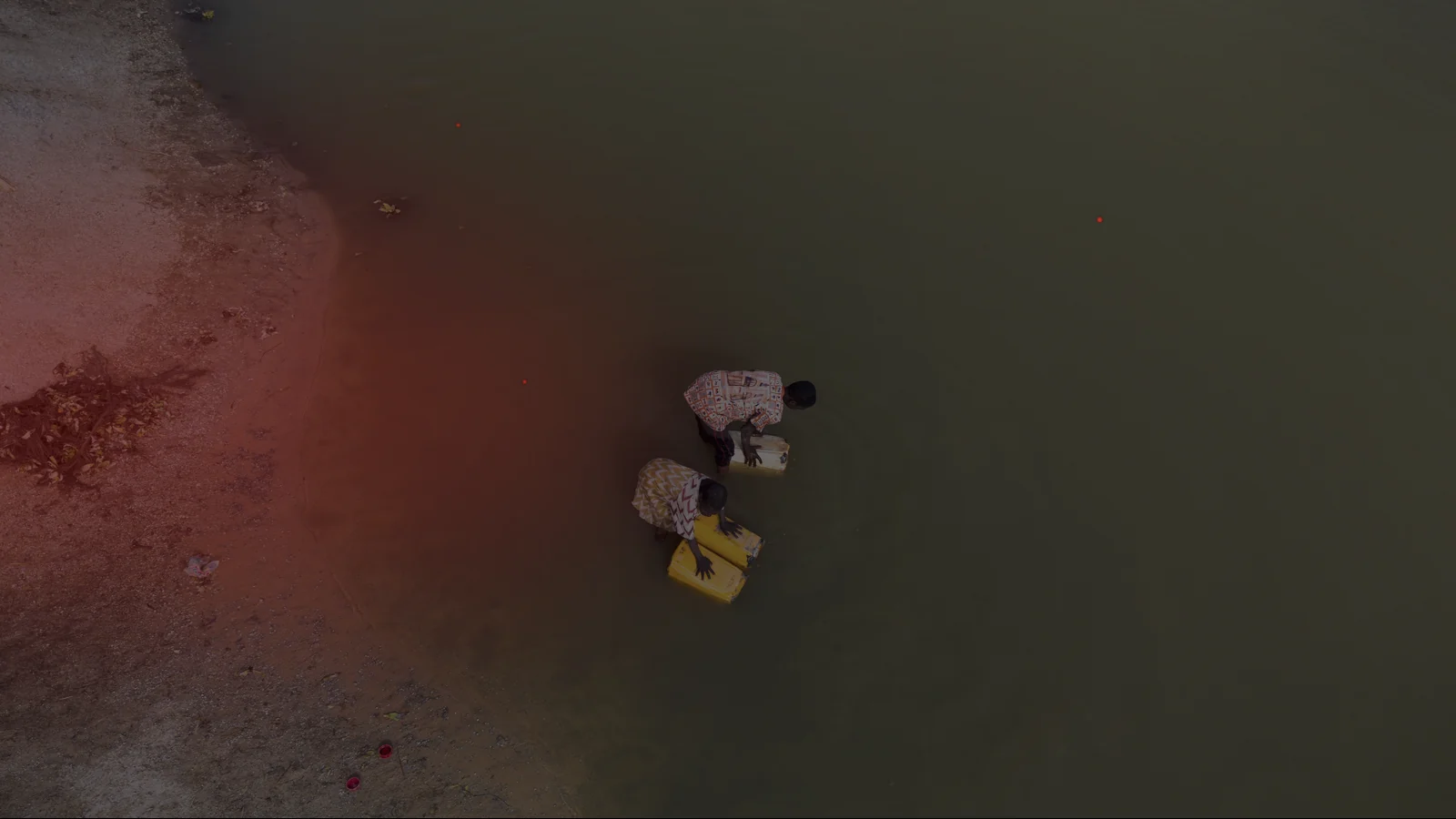
The first 72 hours are about buying time. If you already have a modest reserve, a written priority order and a way to separate drinking water from utility water, you can avoid most of the desperate decisions that appear when the taps stay dry.
Hour zero: count and protect the safe supply
As soon as you know the outage is real, count sealed drinking water, note other safe drinks and stop using potable water for low-priority jobs. Check your water company for the cause, expected duration and any quality notice. Fill only clean containers if official advice says the existing supply is still safe and pressure remains; do not rush to store questionable water after a contamination warning. Record household members, pets and any additional medical or infant requirements before dividing the reserve.
Day one: run a drinking-first hierarchy
Allocate drinking water first, then food preparation, then essential hygiene. UK Prepare gives 2.5 to 3 litres per person per day as a survival drinking baseline and notes that more is needed for comfort and special needs. Avoid water-heavy recipes and unnecessary washing. Use disposable or low-water alternatives where sensible. Keep children involved enough to understand why bottles are being rationed without making them anxious. A written daily allowance prevents accidental overuse because everyone assumes somebody else is tracking the stock.
Keep toilets and cleaning away from potable reserves
Use non-drinking water for toilet flushing where suitable, such as water collected in a rain butt, but never confuse that supply with drinking water. Label utility-water containers aggressively. If ordinary flushing becomes impractical, move to a safe sanitation plan before toilets overflow or waste begins contaminating living areas. Hand hygiene remains a high priority; use soap and safe water where needed and alcohol hand rub where appropriate, especially before food handling.
Day two: establish the resupply route
By the second day, you should know whether the water company is providing bottled water, collection points or other support. Priority-services customers may receive additional assistance. Work out transport before you leave: water is heavy, queues may be long and a household may need more than one trip. Take clean containers only if the provider says they are appropriate. Keep one person responsible for stock records so incoming supplies are added to the plan rather than consumed informally.
Day three: protect against contamination fatigue
As an outage drags on, people start taking shortcuts. Do not top up a potable container with uncertain water, leave open bottles where dirty hands can enter them, or assume clear-looking water is safe. Follow boil-water or do-not-use instructions exactly. Boiling can deal with many microorganisms but it is not a universal answer to chemical contamination. If the official instruction changes, change your routine immediately rather than relying on yesterday’s advice.
At 72 hours, decide whether the plan is sustainable
Review remaining litres, expected restoration time, transport capacity, sanitation and the needs of vulnerable household members. If you are still dependent on a shrinking reserve with no reliable resupply route, the problem is no longer a short outage. Move to a seven-day or longer plan, seek water-company support and consider whether staying in place remains sensible for anyone with medical or care needs. The purpose of the 72-hour plan is to create calm decision time, not to pretend three days is the maximum disruption possible.
Plan the first three days around drinking first
When supply is uncertain, protect the cleanest water for drinking and food preparation before using it for washing or toilet flushing. A household can usually tolerate reduced convenience for a short period more safely than it can tolerate poor hydration. Keep a simple written allocation so everyone understands which containers are reserved for drinking.
Include pets and anyone with special health needs in the calculation rather than treating the household as one average adult.
Use small containers for daily access
Keep part of the reserve in bottles or containers that can be handled easily. Repeatedly opening one large container makes spills and contamination more likely, and a heavy vessel may be difficult for some people to lift. Smaller daily-use containers also make it easier to see how quickly the reserve is being consumed.
Refill the daily-use layer from the larger reserve only when needed.
Review consumption at the end of each day
Compare what the household actually used with the original estimate and adjust the next day’s plan. If consumption is higher than expected, look first for waste or low-priority uses before cutting drinking water. If official supply points or deliveries become available, use verified information and replenish the reserve while the opportunity exists.
A seventy-two-hour plan works best when it adapts to real use rather than following a fixed number blindly.
Keep one container untouched for delay
Set aside a small reserve that is not part of the ordinary day-one and day-two allocation. That margin protects the household if restoration slips, a container leaks or somebody becomes ill and needs more fluid than expected.
The reserve should be visible on the plan so everyone knows it exists but also knows why it is being protected.
Use the first restoration window to reset the plan
If mains water returns briefly, follow supplier guidance and replenish safe storage while the opportunity exists. Do not assume the interruption is permanently over after the first return of pressure.
Once supply has been stable and declared safe, refill what was used and restore the reserve to its normal level before forgetting about the event.
Keep one simple consumption record for the three days. Knowing what was actually used by drinking, cooking and hygiene makes the final-day estimate far more reliable than guessing from the remaining containers. It also shows where the plan can be improved after supply returns.
Continue from here
Build this topic into a wider plan, then see how the same dependency could fail in an AI-collapse scenario.
Evidence desk
Practical water actions on this page use current UK emergency and drinking-water guidance. An AI-triggered national water collapse is scenario analysis, not a claim that such an event is happening or inevitable.
Practical guidance reviewed: August 2026 · In a real emergency, follow official local instructions and emergency services.