Water & Sanitation • CONTAMINATION NOTICE
Boil Water Notice Guide: What You Must Do and What Boiling Cannot Fix
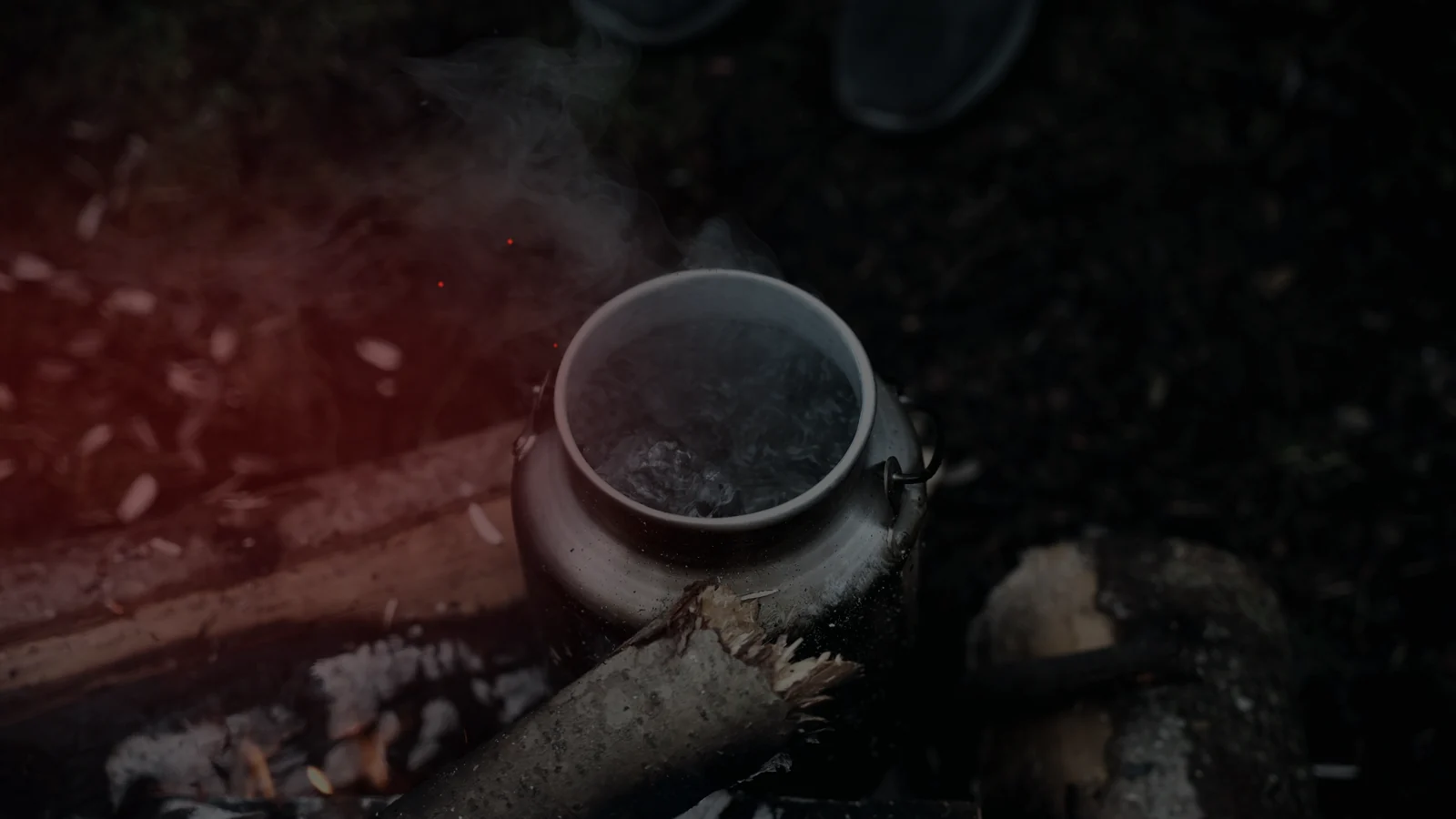
A boil-water notice means the water supplier or authority believes tap water may contain harmful microorganisms and wants you to boil it before ingestion-related uses. It does not mean every possible contaminant can be made safe by boiling.
Read the exact notice before doing anything
The Drinking Water Inspectorate says a boil-water notice may be issued when tap water could contain bacteria, viruses or parasites. Read who issued it, which area it covers, when it started and whether the instruction is actually to boil water or to stop using it altogether. A do-not-use notice is more serious and may be used where contamination cannot be addressed by boiling. If the wording is unclear, use your water company or local authority’s official channels rather than relying on screenshots or social-media forwards.
Boil water used for ingestion-related tasks
DWI guidance says water covered by a boil notice should be boiled before drinking, brushing teeth, making ice, preparing food, cleaning feeding equipment or giving it to pets. Bring the water to a rolling boil, remove it from the heat and allow it to cool naturally. Take care with scalding, especially around children or people with limited mobility. Store cooled boiled water in a clean container in the fridge and follow the DWI advice on how long to keep it.
Know what you can still do with the tap water
Under a standard boil-water notice, DWI says water is generally still suitable for showering and bathing as long as it is not swallowed, and for washing clothes. Dishes can be washed with hot water and dried thoroughly. That advice applies to a boil-water notice, not automatically to every contamination incident. If the instruction changes to do not use, switch immediately to the stricter official direction.
Do not assume boiling removes chemicals
Boiling is highly effective against many microorganisms but it is not a universal purification method. Some chemical contaminants are not removed by boiling and concentrations can even change as water evaporates. This is why the exact notice matters. If authorities instruct you not to use tap water, use bottled water or the alternative supply they specify. Do not experiment with household filters, extra-long boiling or improvised chemical treatment unless official guidance explicitly says it is appropriate for the identified hazard.
Prevent recontamination after boiling
Clean hands, containers, lids and pouring utensils matter. Let boiled water cool naturally rather than adding unboiled tap water to speed the process. Keep the container covered and avoid dipping cups or hands into it. The DWI advises storing cooled boiled water in a clean container in the fridge and discarding it if it is not used within the advised period. If refrigeration is unavailable during a power cut, follow any updated water-company advice and make smaller batches more frequently.
Wait for the official all-clear
Do not decide that the water is safe because it looks, smells or tastes normal. Continue following the notice until the water company or relevant authority formally lifts or changes it. When the all-clear arrives, follow any flushing or appliance instructions they provide. In a combined outage and misinformation scenario, verify the all-clear through the supplier’s official website, phone line or other trusted route rather than a forwarded message. The safest rule is simple: the authority that issued the restriction should be the authority that ends it.
Follow the notice exactly
A boil-water notice is issued for a specific reason and may include instructions about which uses require treated water. Read the current notice from the water supplier or local authority rather than relying on a generic rule. The required treatment, affected area and end time can vary.
Keep a written note of when the notice started and check for updates before assuming normal use has resumed.
Think beyond drinking
Water can enter the body through food preparation, brushing teeth, making ice or preparing infant feeds, so households should follow the official notice for all affected uses. Some cleaning tasks may be acceptable with untreated water while others may not be, depending on the incident.
When in doubt, use the safest water available for anything that will be swallowed or come into direct contact with food.
Clean up the household routine after the notice ends
When authorities confirm that normal use can resume, follow any flushing or appliance guidance they provide. Empty or replace ice made during the notice and review any water stored or filtered during the affected period if official advice says it may have been compromised.
Recovery is part of the plan. Ending the notice should return the household to safe normal use rather than leaving old assumptions in place.
Keep safe water easy to identify
During a boil-water notice, label treated or bottled water clearly and keep it separate from ordinary tap water so nobody uses the wrong source for drinks, cooking or brushing teeth. If several people are sharing the kitchen, simple labels reduce the chance of a mistake.
Keep enough ready-to-use safe water available for routine needs so every cup of tea or meal does not require starting the treatment process again from scratch.
Check the notice before every major change
Water suppliers may update the affected area, treatment instructions or expected duration as testing continues. Review the official notice before deciding that restrictions have ended or before changing how the household uses the water.
A dated screenshot or written note can help if internet access becomes unreliable, but it should not replace checking for a newer update when connectivity returns.
Keep treated or bottled water in a clearly marked area of the kitchen so household members do not have to remember which container is safe for drinking. Good organisation reduces mistakes when people are tired, distracted or managing several other disruption tasks at once.
Continue from here
Build this topic into a wider plan, then see how the same dependency could fail in an AI-collapse scenario.
Evidence desk
Practical water actions on this page use current UK emergency and drinking-water guidance. An AI-triggered national water collapse is scenario analysis, not a claim that such an event is happening or inevitable.
Practical guidance reviewed: August 2026 · In a real emergency, follow official local instructions and emergency services.