Food & Supply Collapse • SHORTAGE RESPONSE
Supermarket Shortage Plan: What To Do Before Shelves Empty
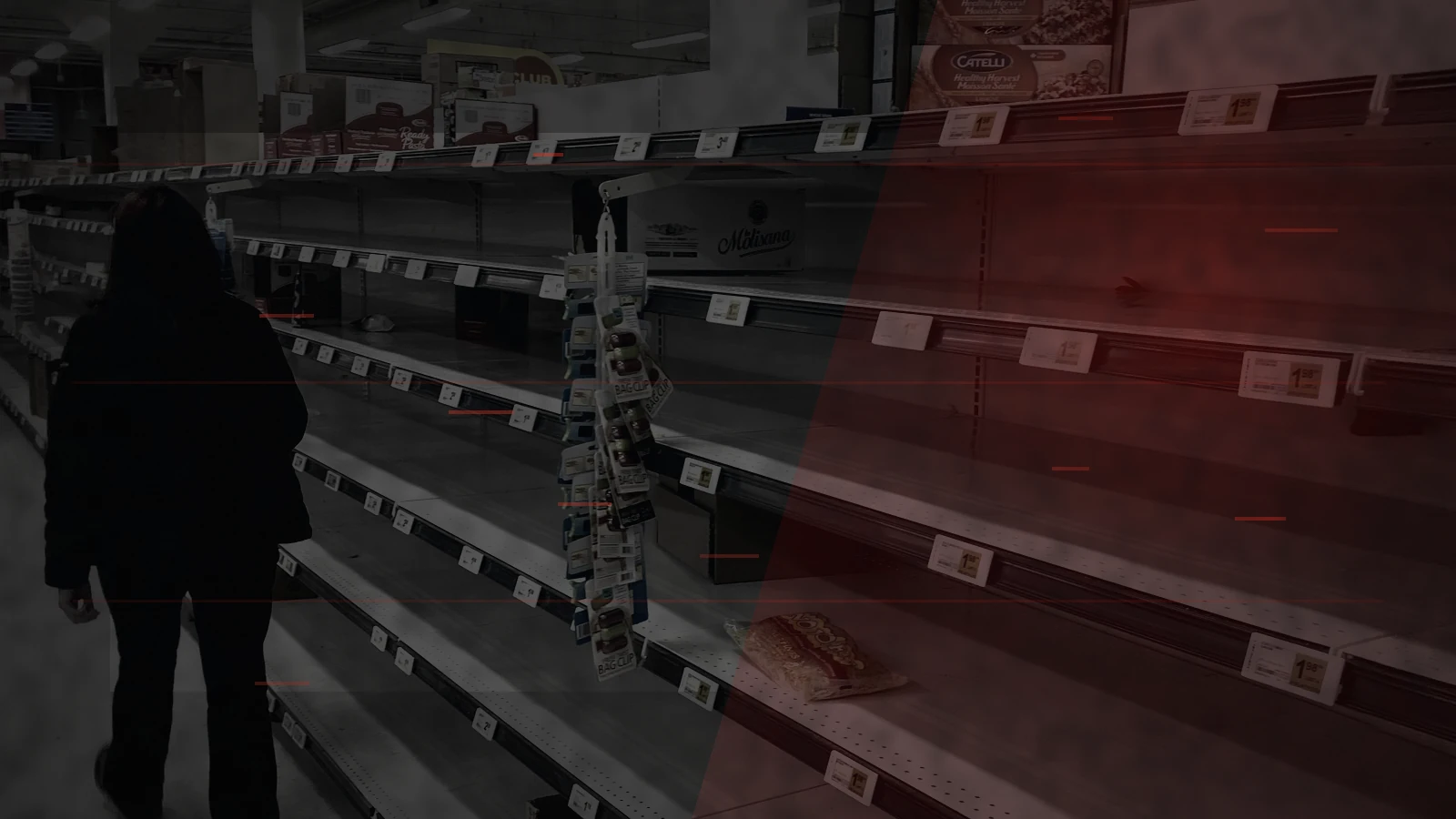
A supermarket shortage is partly a supply problem and partly a behaviour problem. The household that already knows what it needs can move calmly while everyone else is discovering shortages in real time.
Separate inconvenience from genuine risk
An empty shelf does not mean the country is out of food. It may reflect delayed deliveries, local demand spikes, staffing problems or disruption in one product category. Start by identifying what your household actually cannot function without: infant feeding products, allergy-safe foods, medically necessary nutrition, pet food and basic staples. Then distinguish those from preferred brands and convenience items. This stops anxiety turning every gap into an emergency and helps scarce items remain available to people who truly need them.
Set a household minimum before the rush
Maintain a modest rotating reserve of normal foods so you do not need to join the first wave of demand. Think in complete meals and days rather than in random tins. A 72-hour layer is the minimum useful buffer; a longer reserve can be built gradually from foods you already buy. Rotate stock through ordinary meals. The purpose is not hoarding. It is to give yourself time to make decisions while shops, deliveries and official information catch up with the event.
Diversify where food can come from
One supermarket, one delivery app or one payment method is a single point of failure. Know several local shops, markets and community resources. Keep some cash if appropriate, while remembering that cash itself may not solve a stock shortage. If deliveries are interrupted, collection may still work; if card systems fail, another retailer may still be operating. Diversity matters more than loyalty when the normal retail system is under stress.
Shop to close gaps, not to calm fear
Take a written list based on your household inventory. Prioritise staple foods, water-compatible meals, no-cook options, special dietary needs and items that complete meals you already own. Avoid stripping shelves of products simply because other people are doing it. Panic buying can create artificial shortages and leaves less for vulnerable households. If limits are imposed, respect them. A calm, planned shop is more useful than a trolley full of duplicate items that do not form meals.
Expect substitutions and changing menus
Shortages often arrive unevenly. One week may affect cooking oil, another fresh produce, another imported or refrigerated foods. Build flexible meals that can swap proteins, carbohydrates and vegetables without breaking the entire plan. Keep a few flavourings and familiar comfort foods because morale matters during long disruption. The resilient household is not the one that reproduces its normal weekly shop perfectly; it is the one that can still make acceptable meals when ingredients change.
Know when household planning becomes community planning
A prolonged shortage eventually becomes a local resilience issue. Check on neighbours who may have mobility, financial or dietary constraints. Follow council and government instructions about support or distribution points. Share accurate information, not rumours about secret stock or imminent collapse. If the system is genuinely strained, coordinated behaviour stretches available resources further than competitive buying.
Use a substitution list before the shelves are thin
For the household’s regular staples, note one or two realistic alternatives. If fresh milk is unavailable, know which shelf-stable option fits the family. If one carbohydrate disappears, know which others can fill the same meal role. Substitution planning prevents one missing product from breaking the whole weekly menu.
Keep the list practical rather than aspirational. The best substitute is something the household already knows how to use.
Shop from the plan, not from the panic
When shortages appear, buy what the household genuinely needs for the next period rather than stripping shelves simply because other people are doing it. Large panic purchases can create the very local scarcity everyone fears and leave perishable food going to waste.
Check what is already at home before travelling to several shops. A written inventory and meal plan often reveal that the household has more flexibility than the empty shelf suggests.
Protect vulnerable needs first
Infant formula, specialist dietary products, medically necessary foods and pet supplies may have fewer substitutes than ordinary groceries. These household-specific items deserve earlier attention and a sensible rotating reserve where practical.
If shortages become prolonged, seek advice from the relevant healthcare or support service rather than improvising unsuitable alternatives for medical or infant feeding needs.
Keep shopping frequency under control
During shortages, repeatedly visiting several shops can waste fuel, time and battery while adding little useful stock. Decide which items genuinely justify another trip and which can wait or be substituted from what is already at home.
One planned shop based on a current inventory is usually more efficient than several anxious searches driven by rumours about what another store might have.
Use the shortage to improve the future buffer
After supply returns, note which missing products caused the most difficulty. Those are the items worth adding to the normal rotating reserve. Do not simply rebuild a larger version of everything that disappeared from the shelves.
Preparedness improves when each disruption teaches the household which dependencies actually mattered.
Keep a short written list of what genuinely needs replacing before the next shop. This prevents several household members buying the same scarce item, reduces duplicate spending and makes it easier to substitute calmly when a preferred product is unavailable.
Keep one small buffer of the products that would be hardest for your household to substitute, and rotate them through normal use. That way the plan protects real needs without encouraging excessive stockpiling or waste.
Keep the buffer modest, rotating and tied to actual household needs rather than fear. Prioritise items that are hard for your household to substitute, replace what you use through normal shopping, and avoid buying large quantities merely because a rumour suggests a product may disappear.
Keep shopping based on a current household inventory so temporary shortages do not turn into duplicate buying and unnecessary waste.
Continue from here
Build this topic into a wider plan, then see how the same dependency could fail in an AI-collapse scenario.
Evidence desk
Practical food-safety and preparedness guidance on this page is grounded in current UK emergency-planning and food-safety principles. A total AI-triggered national supply-chain collapse is scenario analysis, not a claim that such an event is happening or inevitable.
Practical guidance reviewed: August 2026 · In a real emergency, follow official local instructions and emergency services.