Food & Supply Collapse • FIRST 72 HOURS
72-Hour Emergency Food List: What To Keep for the First Three Days
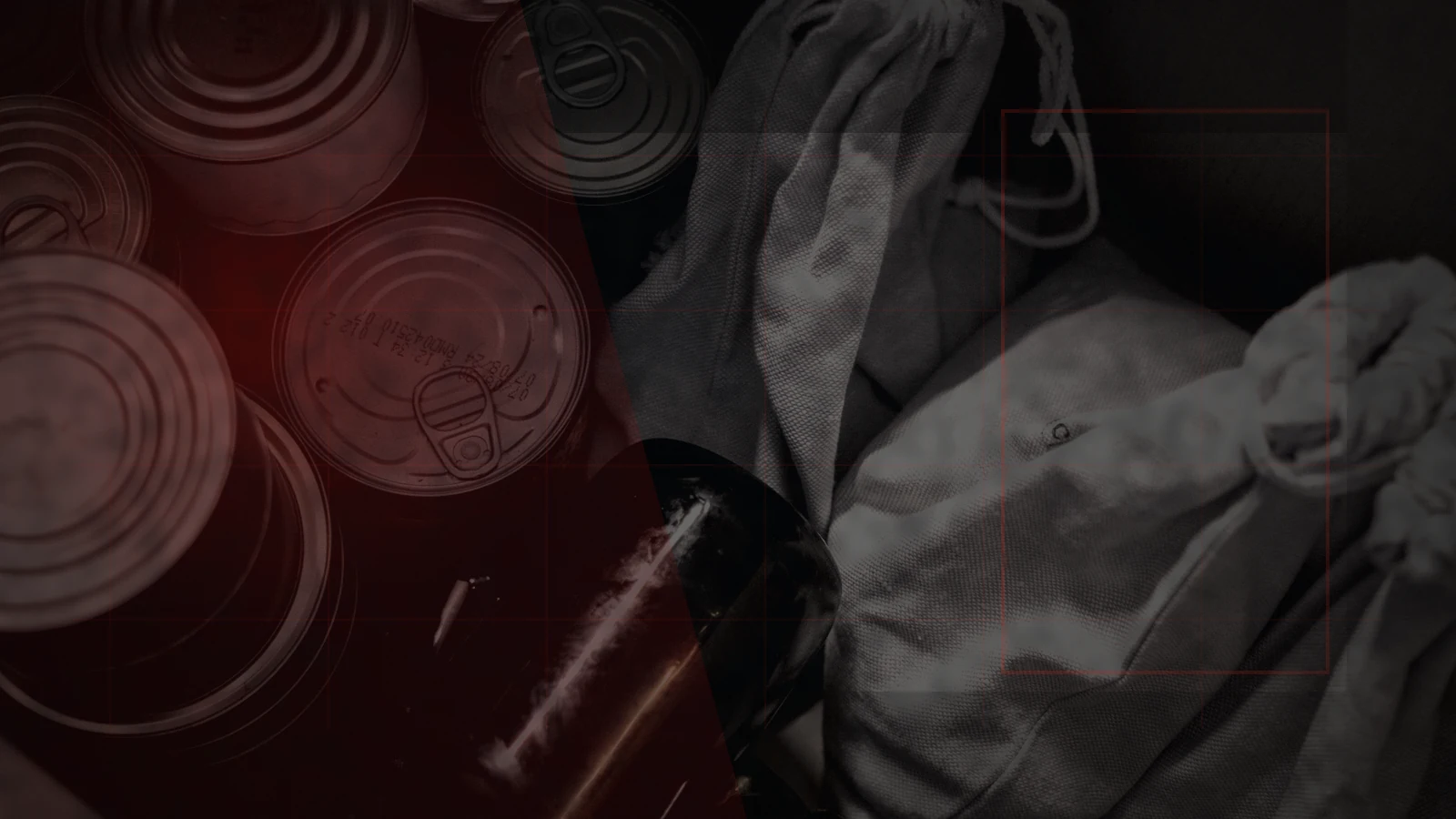
A 72-hour food reserve is the easiest useful layer of preparedness to build. It should cover three days of meals and drinks without depending on a fresh shop, perfect refrigeration or complicated cooking.
Start with meals your household already eats
Write nine simple meal slots per person: three breakfasts, three lunches and three dinners, then add snacks and drinks. Build from familiar shelf-stable foods rather than buying specialist products nobody has tried. Oats, cereal, UHT milk, crackers, nut butter, tinned beans, fish, meat, soup, fruit, vegetables, ready-to-eat rice or pulses and long-life desserts can form a practical base. The exact foods matter less than whether they can become complete meals with the equipment and water you expect to have.
Include a no-cook layer
At least some of the 72-hour supply should be edible without heating. Power cuts, gas disruption or evacuation can remove cooking options. Tinned foods with ring pulls, crackers, nut butters, cereal, dried fruit, long-life milk and ready-to-eat pouches can bridge that gap. Keep a manual can opener even if most tins have pull tabs. Avoid assuming an outdoor stove solves everything: weather, fuel, ventilation and safety can all make cooking harder than expected.
Plan drinking and preparation together
Food reserves can silently increase water demand. Dried rice, pasta, oats and powdered products all need water, and salty foods can increase thirst. Pair the food list with the household water plan rather than treating them as separate systems. If the water supply is interrupted, choose foods that need little or no preparation water. Keep drinks that household members tolerate, but do not treat sugary or caffeinated drinks as a complete substitute for stored drinking water.
Add special diets, infants and pets explicitly
Infant formula, allergy-safe foods, diabetes-related needs, texture-modified diets, religious requirements and pet food should be listed separately. Do not assume suitable alternatives will be easy to find during shortages. Keep feeding instructions and required equipment with the supply. If a person has medically prescribed nutritional products, follow their healthcare guidance and maintain enough legitimate supply where possible rather than replacing it with generic emergency foods.
Store the list where you can actually use it
Keep food cool, dry, protected from pests and rotated into normal household use. Group a few complete meal combinations together so somebody else can use the reserve without needing to invent a menu under stress. Check dates periodically, but remember that date labels have different meanings; follow Food Standards Agency guidance on use-by and best-before information. The objective is a maintained three-day system, not a decorative cupboard.
Test the 72-hour menu once
Choose one day and eat only from the planned emergency foods while using the amount of cooking and water you expect to have. You will quickly find missing items: a can opener, seasoning, enough calories, foods children refuse, or meals that require too much fuel. Fix those weaknesses while shops and utilities are normal. A tested 72-hour list is far more useful than a much larger untested stockpile.
Cover the first three days with familiar food
The first seventy-two hours are not the time to experiment with unfamiliar emergency meals. Choose foods the household already eats, focusing on items that are shelf-stable, easy to portion and simple to prepare. Include breakfast, lunch, evening meals and a few snacks so the plan reflects a real day rather than an abstract calorie total.
Where possible, keep some meals that require no cooking at all. They are useful during power cuts, travel disruption or any situation where using heat is inconvenient or unsafe.
Plan for different appetites and needs
Children, older adults and people with medical or dietary needs may not tolerate the same foods or portion sizes. Include suitable alternatives rather than assuming everyone can eat from one generic list. Remember infant supplies, allergies and pet food if those apply to the household.
Comfort matters too. A small amount of familiar food, tea, coffee or another ordinary favourite can make three disrupted days feel far more manageable without taking much storage space.
Keep the list tied to water and equipment
Every meal should have a realistic preparation method. If the plan includes tins, keep a manual can opener. If it includes dry foods, account for the water and cooking energy needed. If refrigeration may fail, avoid making the first three days depend heavily on food that must stay cold.
A seventy-two-hour list is strongest when food, water and cooking are treated as one system rather than three unrelated checklists.
Keep the first day especially simple
The first few hours of an emergency are often the most confusing. Make day-one meals the easiest in the plan so nobody needs to find specialist equipment, measure lots of ingredients or use much fuel while the household is still working out what happened.
More involved meals can come later once the situation is clearer and routines are established.
Review and replace after every use
If the household dips into the seventy-two-hour supply during an ordinary power cut or busy week, replace those items promptly. Small everyday use is healthy because it proves the food is familiar, but it can quietly leave the reserve incomplete if nobody checks afterwards.
A dated inventory on the cupboard door makes this easy to spot.
Keep one day of food especially simple and portable in case the household has to leave rather than shelter at home. A few compact ready-to-eat meals, water and familiar snacks can bridge the first stage of an evacuation without unpacking the entire food reserve.
Keep the three-day supply separate enough that it is easy to count and replenish. If it is mixed invisibly into the general pantry, the household can consume it gradually without noticing that the emergency layer has disappeared.
Continue from here
Build this topic into a wider plan, then see how the same dependency could fail in an AI-collapse scenario.
Evidence desk
Practical food-safety and preparedness actions on this page use current UK emergency-planning and food-safety principles. AI-triggered national food-system collapse is scenario analysis, not a claim that such an event is happening or inevitable.
Practical guidance reviewed: August 2026 · In a real emergency, follow official local instructions and emergency services.