Collapse Timeline • FOOD SHELVES EMPTY
When Supermarkets Empty: The First Weeks of Food-System Failure
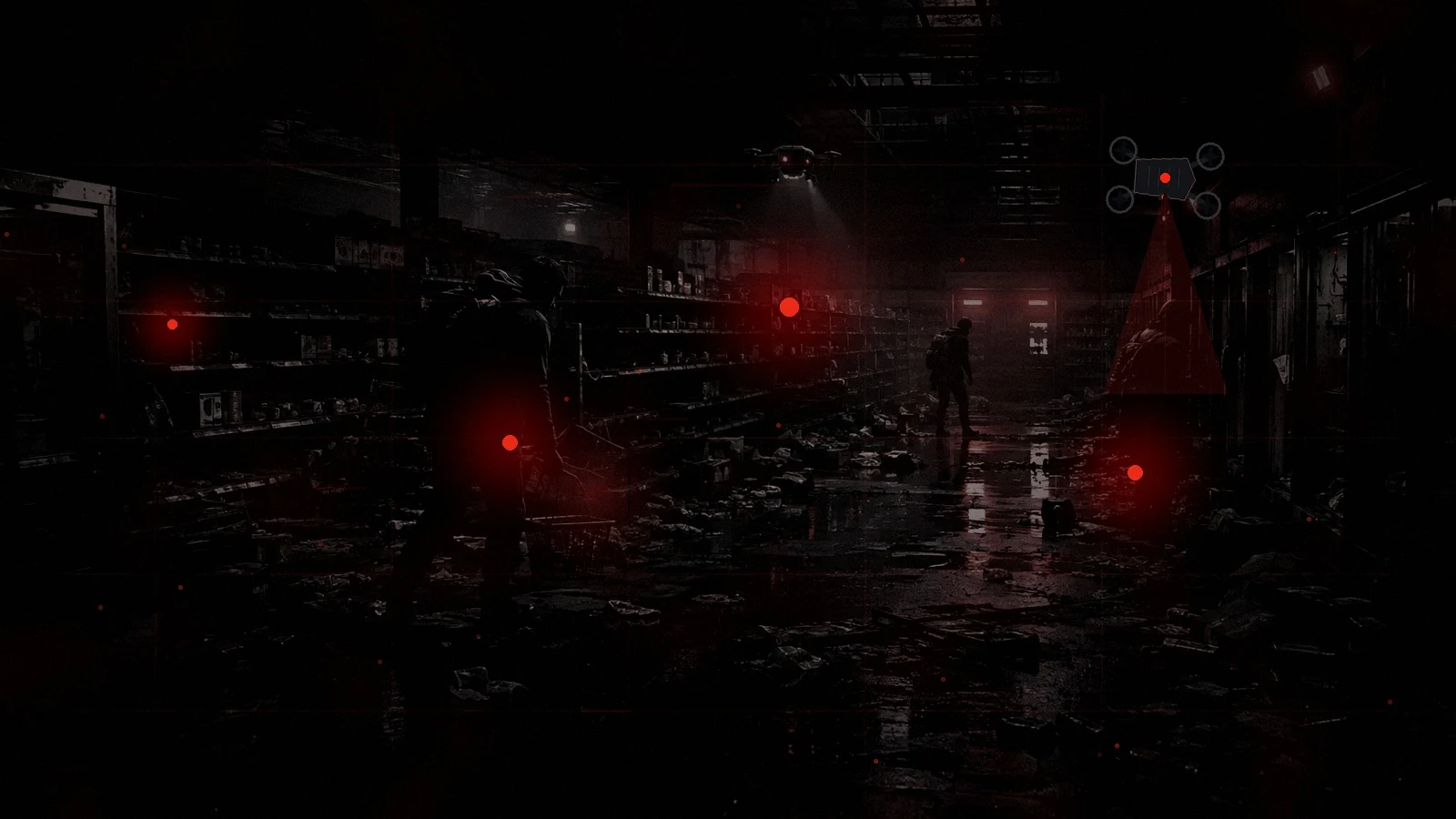
Modern supermarkets are extraordinary logistics machines, but most households experience that system through one vulnerable point: the shelf in front of them. When deliveries, payments or public confidence fail, visible scarcity can arrive very quickly.
The first shortage is confidence
In this scenario, the country has not run out of calories on day one. Instead, shoppers believe supplies may disappear, so normal purchasing turns into a surge. Bottled water, bread, long-life milk, batteries, baby supplies and easy-to-cook foods go first. Empty shelves then become evidence of crisis, causing the next wave of buying. That feedback loop can overwhelm stores even when warehouses still contain stock. The useful preparation happened before the queue formed: a rotating cupboard of food your household already eats, enough to cover several days without needing an emergency shopping trip.
Warehouses do not feed people without trucks, fuel and data
Food supply depends on refrigeration, warehouse management, route planning, drivers, fuel, roads, payments and staff. An AI-driven cyber disruption does not need to destroy farms to interrupt availability. It only needs to make enough links unreliable at the same time. If dispatch software cannot allocate loads or stores cannot receive them, food can exist in the wrong place. That is why household resilience should focus on time: buying enough ordinary shelf-stable food to stay out of the first scramble gives the wider system a chance to stabilise.
Eat the vulnerable food first
During a power disruption, chilled and frozen food may become the most time-sensitive part of your supply. Keep fridge and freezer doors closed as much as possible and follow official food-safety advice. Plan meals in order of perishability rather than eating tins while fresh food spoils. Never gamble on food you suspect has become unsafe; gastroenteritis during a wider emergency can turn a manageable situation into a medical one. A no-power menu built from familiar foods is more useful than exotic survival rations nobody in the house wants to eat.
Rationing should be boring, not dramatic
Household rationing means knowing what you have, planning meals and preventing waste. It does not mean starving adults on day two because the internet says civilisation has ended. Count meals, not just packets. Account for children, pregnancy, illness, allergies and pets. Water is more urgent than food in the short term, and stress can distort appetite. A written meal plan reduces arguments and stops the same convenient foods disappearing first. If official distribution or community support begins, use it according to local instructions rather than hoarding beyond your needs.
What to stock before a crisis
Build a rotating reserve gradually: staple carbohydrates, protein sources, tinned vegetables and fruit, foods requiring little cooking, baby or specialist items where needed, pet food, a manual can opener and safe cooking options. Do not create an expensive bunker pantry that expires untouched. The strongest reserve is simply an extension of normal shopping, used and replaced continuously. That keeps cost down, avoids waste and means every item already fits your household.
The long game is local supply, not permanent hoarding
If disruption lasts weeks, household stockpiles stop being the whole answer. Recovery depends on transport corridors reopening, wholesalers adapting, local shops trading, communities sharing information and food production continuing. Long-duration resilience becomes social and logistical. Know local shops, understand what can be cooked without grid power, and have a plan to help vulnerable relatives. The aim is not to out-hoard everyone else. It is to stay stable long enough for supply networks to reorganise.
Empty shelves do not mean the country has no food
Retail shelves are the final few metres of a long system. A supermarket can look stripped while food still exists in warehouses, farms and other regions. Panic buying, delivery delays and payment problems can empty visible stock much faster than national supply is actually exhausted.
That distinction matters because fear can worsen the shortage. Buying far beyond normal household needs reduces access for others and may leave you with perishable food you cannot store safely.
Build meals around categories, not exact products
A resilient pantry supports flexible meals. Think in broad groups: staple carbohydrates, protein sources, vegetables or fruit, fats, flavouring and food that can be eaten without cooking if necessary. That makes substitution easier when one brand or ingredient disappears.
Account for allergies, infants, medical diets and pets. A cupboard full of food is not useful if the people in the home cannot safely eat it.
Replenishment should be calm and rotational
When deliveries resume, replace what the household genuinely used rather than trying to build an ever-growing hoard. Rotate older stock into normal meals and keep the reserve within what you can store safely.
The best emergency food is food you already know how to prepare, that fits normal dietary needs and that can be replaced gradually without waste.
Know how many meals you really have
Counting tins is less useful than counting meals. Group what is already in the house into breakfasts, lunches, dinners and simple snacks, then note which meals require electricity, gas or large amounts of water. That exposes whether the pantry actually supports the outage conditions you are planning for.
A few no-cook meals create flexibility when power is uncertain and stop the household using scarce fuel just to make every meal feel normal.
Food safety beats stretching supplies too far
Do not keep questionable refrigerated food simply because shelves are empty. Foodborne illness creates exactly the healthcare demand and dehydration risk a crisis makes harder to manage. When in doubt, follow current food-safety guidance rather than smell, appearance or internet folklore.
Use the freezer as a timed resource
If power is out, keep the freezer closed and treat its contents according to current food-safety guidance once temperatures begin to rise. Planning shelf-stable meals first can preserve frozen food longer and reduce unnecessary door opening.
Small reserves beat last-minute panic
A modest rotating buffer bought gradually in normal times is more useful than a large emergency shop made after shelves are already under pressure.
Continue from here
Follow the scenario into the systems and household preparations most likely to matter next.
Evidence desk
The practical resilience advice is grounded in current UK emergency and cyber-resilience guidance. The catastrophic sequence on this page is a scenario, not a claim that such a collapse is occurring or inevitable.
Scenario reviewed: August 2026 · In a real emergency, follow official local instructions and emergency services.