Food & Supply Collapse • FAILURE MODES
12 Emergency Food Storage Mistakes That Can Ruin Your Reserve
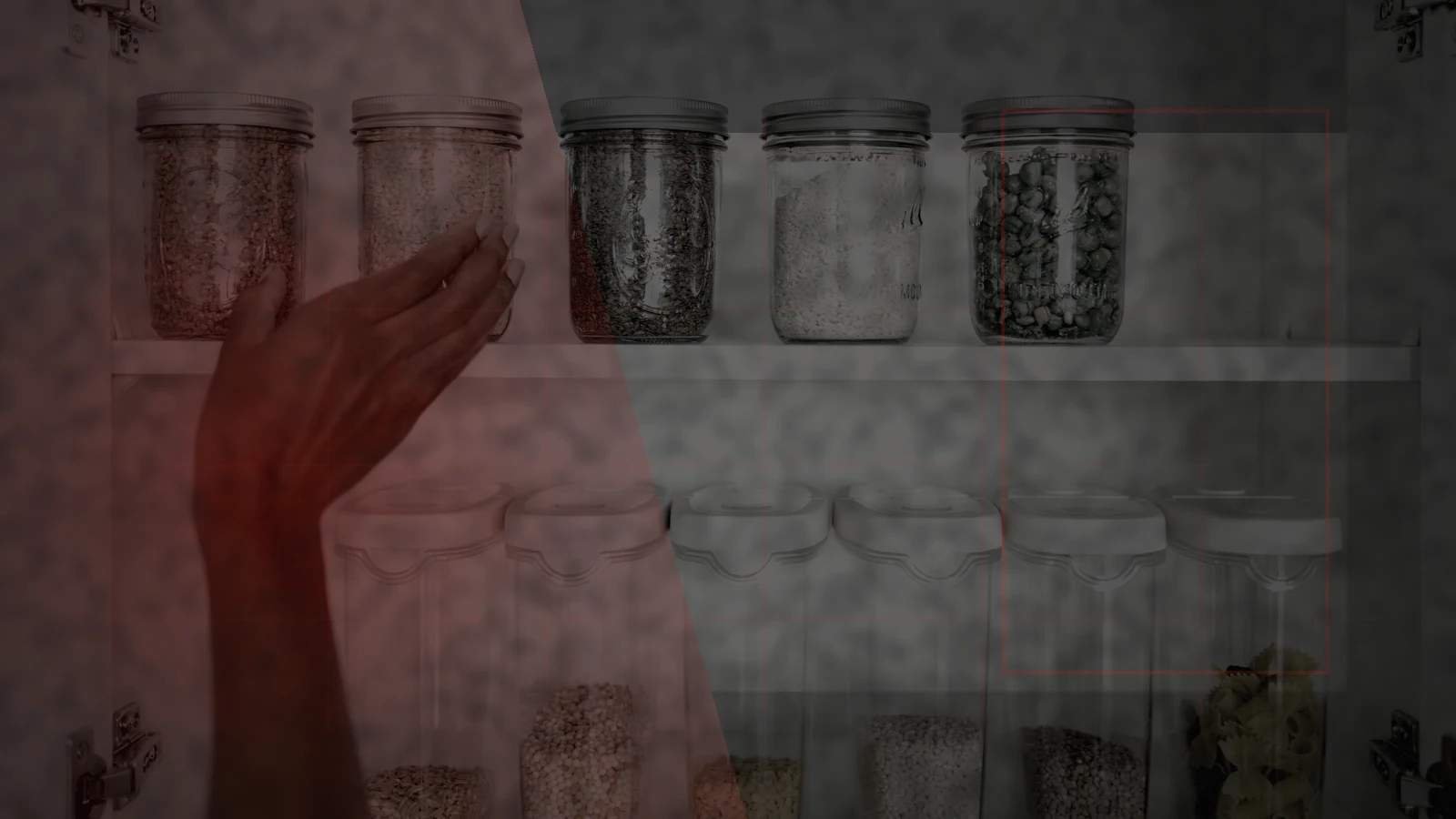
The biggest threat to an emergency food reserve is often not the disaster you planned for. It is months of bad storage, forgotten dates, unsuitable containers and a menu that never worked in the first place.
Mistake 1: storing food you never normally eat
A dramatic emergency is the worst time to discover nobody likes the food you bought in bulk. Base most storage on familiar staples and meals. Specialist long-life products can have a role, but only after you have tested them. Appetite fatigue, digestive problems and refusal by children can turn nominal calories into unusable stock. Rotation is also easier when stored food already belongs in normal household meals.
Mistake 2: ignoring heat, moisture and pests
Storage conditions matter. Heat accelerates deterioration, moisture damages packaging and encourages mould, and pests can destroy large quantities unnoticed. Use clean, dry, appropriate food-safe storage and inspect it periodically. Keep items off damp floors where possible and protect packaging from rodents and insects. Do not improvise with containers that previously held chemicals or non-food substances. Food-safe means suitable for the specific food and storage period.
Mistake 3: buying ingredients without a menu
A shelf full of rice, flour and beans may look resilient while depending on large amounts of water, fuel and preparation time. Build a menu first, then buy the ingredients it requires. Include protein, fats, fruit or vegetables, flavour and no-cook options. Count actual servings. This prevents the classic storage problem of owning months of one staple but only days of the ingredients needed to make it tolerable or nutritionally balanced.
Mistake 4: forgetting rotation and date meaning
Use stored food in ordinary life and replace it. A simple first-in, first-out system is easier than periodic emergency clear-outs. Understand the difference between use-by and best-before dates and follow Food Standards Agency guidance. Do not rely on internet myths that every dated food is safe indefinitely. Condition, packaging, food type and storage history all matter.
Mistake 5: depending entirely on refrigeration or cooking
A reserve should survive the utility failures you are preparing for. Keep a proportion of meals that can be eaten without cooking and enough shelf-stable food to bridge a cold-chain failure. If you store alternative cooking equipment, use it only in ways that are safe and legal; never operate combustion devices indoors simply because food needs heating. Water requirements must also be included in the plan.
Mistake 6: never auditing the whole system
At least a few times a year, count the reserve, inspect packaging, test equipment and run one emergency meal. Look for expired special-diet products, missing infant or pet supplies, dead batteries in supporting equipment and food that has become inaccessible behind clutter. The best reserve is boringly maintained. If you can see, count and use it, you can trust it when the normal supply system becomes unreliable.
Do not store food you never normally eat
An emergency cupboard works best when it is built from ordinary foods the household already knows how to prepare. Buying unfamiliar tins, specialist rations or bulk ingredients simply because they last a long time can create waste and leave people with meals they dislike or do not know how to use. Rotate normal shelf-stable food through everyday meals and replace what is consumed.
That approach also exposes gaps early. If the household discovers that every useful meal needs milk, fresh bread or a working oven, the reserve can be adjusted before an outage rather than during one.
Do not ignore water and cooking requirements
Dry rice, pasta, oats and dehydrated foods can look efficient on a shelf but may require significant water and energy to prepare. During a power or water disruption, that hidden dependency matters. Balance dry staples with foods that can be eaten cold or warmed quickly.
Count the water used for cooking as part of the household plan. A food reserve that consumes most of the drinking-water allowance is not as resilient as it first appears.
Storage conditions matter as much as expiry dates
Heat, moisture, pests and damaged packaging can shorten the useful life of food well before the printed date becomes relevant. Keep stores in a cool, dry location where containers can be inspected and rotated. Avoid places with large temperature swings or obvious pest access.
Label older purchases so they are used first. A simple first-in, first-out routine prevents the emergency cupboard becoming a graveyard of forgotten tins and split packets.
Do not forget the tools that make the food usable
A reserve can fail because of something trivial: no manual opener, no way to heat water, no measuring cup, no matches for approved equipment or no clean container for leftovers. Review the food as a complete preparation system rather than as packaging on shelves.
Keep essential tools close to the food so another household member can find them without searching the kitchen in poor light.
Do not make one expiry date the whole strategy
Best-before dates, packaging condition and storage environment all matter. Use rotation and inspection rather than assuming every product becomes useless on one printed day or remains perfect indefinitely.
If food is damaged, swollen, leaking or otherwise suspicious, follow food-safety guidance rather than trying to salvage it because it was part of the emergency reserve.
Keep food away from chemicals, fuel, cleaning products or anything else that could leak or contaminate packaging. Emergency storage should be practical enough to inspect and safe enough that the reserve does not introduce a new household hazard.
Keep the reserve understandable to every adult in the household. Labels, locations and simple preparation notes reduce dependence on the one person who originally bought and organised everything.
Continue from here
Build this topic into a wider plan, then see how the same dependency could fail in an AI-collapse scenario.
Evidence desk
Practical food-safety and preparedness guidance on this page is grounded in current UK emergency-planning and food-safety principles. A total AI-triggered national supply-chain collapse is scenario analysis, not a claim that such an event is happening or inevitable.
Practical guidance reviewed: August 2026 · In a real emergency, follow official local instructions and emergency services.