Food & Supply Collapse • 30-DAY RESERVE
30-Day Emergency Food Supply: Build a Month of Practical Meals
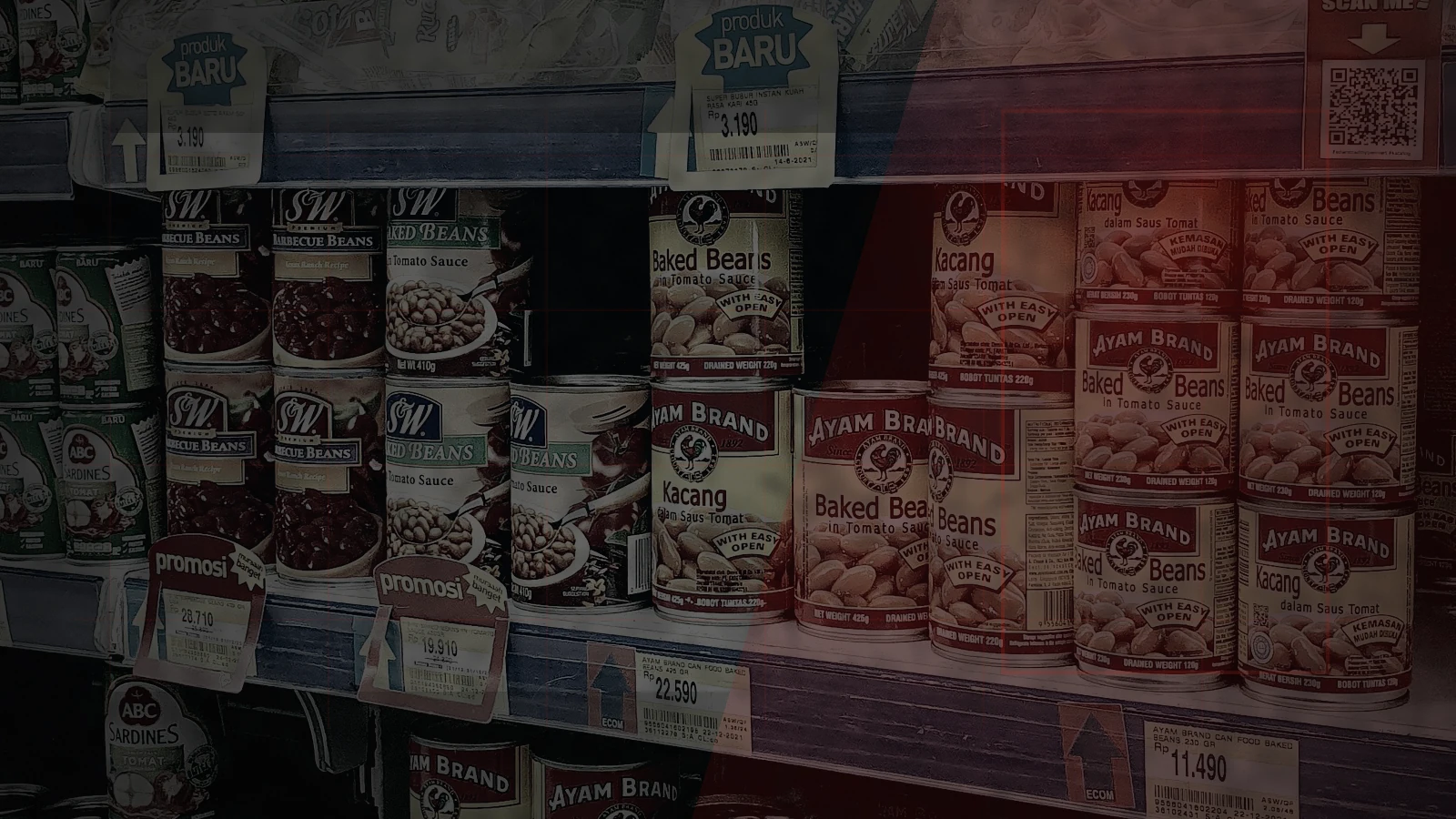
Thirty days of food sounds like a storage problem, but it is really a menu, rotation and logistics problem. The reserve must be edible, affordable, safe to store and simple enough to use when normal shopping becomes unreliable.
WEEK 2 — THE DELIVERY NEVER CAME
Supermarkets reopened for two hours yesterday. The shelves were mostly empty. Distribution software is unreliable, fuel is rationed and nobody can confirm when the next lorry will arrive.
A 30-day food supply is not about eating bunker rations forever. It is about being the household that can wait while everybody else is forced to solve scarcity in public.
Scenario: this is a deliberately extreme “what if?” exercise, not a claim that these events are happening or certain to happen.
Design seven repeatable days before buying thirty
Create a one-week menu that uses shelf-stable ingredients and can be repeated four times with small variations. This is easier to calculate and rotate than inventing thirty unique emergency days. Include breakfast, lunch, dinner and snacks, then note the water and fuel each meal requires. Once the week works, multiply quantities carefully and add a small buffer. This avoids buying impressive quantities of ingredients that do not combine into actual meals.
Cover food groups and household reality
A resilient month includes energy-rich staples, protein sources, fats, fruit and vegetables, plus foods that make the menu acceptable. Tinned beans, fish or meat, pulses, oats, grains, nut butters, oils, UHT dairy or alternatives, canned produce and familiar snacks can all play a role. People with allergies, medical diets or feeding difficulties need dedicated stock. Pets need their own month calculation rather than leftovers from the human plan.
Balance shelf life with normal use
The easiest 30-day reserve is often a deeper version of the pantry you already use. Buy foods you can rotate through ordinary meals and replace gradually. Mark purchase dates, keep older stock at the front and do a monthly inventory. This reduces waste and makes date checking routine. Specialist long-life foods can have a place, but a reserve made entirely of products you never normally eat is harder to maintain and more expensive to learn under stress.
Plan around water, cooking and power failure
A month-long food plan that assumes unlimited mains water and electricity has two hidden single points of failure. Include no-cook meals and foods requiring little preparation water. If you store grains or dried pulses, calculate the extra water and fuel they need. Never bring outdoor cooking appliances into the home. Think in systems: food, water, heat, fuel, refrigeration and safe waste handling all interact.
Use zones rather than one giant cache
Split the reserve into working pantry stock, deeper shelf-stable stock and a smaller grab-ready section for evacuation. This keeps normal rotation easy and prevents one leak, pest problem or inaccessible cupboard from affecting everything. Heavy tins should be on strong low shelving. Keep an inventory on paper as well as digitally so you can see what exists during a power or network outage.
Build the month gradually
Add a few extra normal-use items each shopping trip until the menu is covered, rather than emptying supermarket shelves in one panic purchase. Track which categories are still weak and stop buying once the planned quantity is reached. The finished reserve should feel boring: known foods, known meals and a predictable replenishment routine. That boring system is exactly what makes it useful during a real shortage.
Build a month from normal weekly shopping
A thirty-day reserve does not need to arrive in one expensive shop. Add one or two extra shelf-stable items each week, prioritising foods the household already uses. Once you have an extra week, rotate it through normal meals and gradually extend the buffer.
This spreads the cost, keeps expiry dates staggered and reduces the chance of buying large quantities of food the household later decides it dislikes.
Plan around cooking limits
A month of dry staples can look efficient but may depend on uninterrupted water and energy. Include a mix of normal-cook, low-cook and no-cook meals so the reserve remains useful if utilities fail. Account for the water needed to prepare rice, pasta or dehydrated foods as well as the water people drink.
A manual can opener, basic utensils and a safe cooking plan are part of the food system, not separate extras.
Keep the month nutritionally workable
Over thirty days, variety matters. Include protein sources, fruit and vegetables, fats, carbohydrates and foods that fit household allergies, medical diets and preferences. Add a few familiar comfort foods because morale and appetite can affect how well people actually use the reserve.
Review the plan as meals rather than as a pile of calories. If one missing ingredient ruins several meals, diversify that dependency before adding more volume.
Keep the storage map simple
Once food is spread across cupboards, utility rooms or boxes, keep a one-page map showing what category lives where. This prevents duplicate buying and stops useful stock disappearing behind everyday items.
Put older food where it can be reached first and keep labels visible enough that rotation does not require unpacking the whole reserve.
Review the real monthly menu
Every few months, compare the emergency plan with what the household actually eats now. Children grow, diets change and favourite products disappear. A thirty-day supply should evolve with the household instead of freezing one old shopping pattern in place.
Use the review to remove foods nobody wants and replace them with more practical options.
Keep the month supply integrated with normal household life. Use, replace and review it continuously so the reserve never becomes a forgotten collection of old products that nobody has tested, tasted or planned to prepare.
Continue from here
Build this topic into a wider plan, then see how the same dependency could fail in an AI-collapse scenario.
Evidence desk
Practical food-safety and preparedness actions on this page use current UK emergency-planning and food-safety principles. AI-triggered national food-system collapse is scenario analysis, not a claim that such an event is happening or inevitable.
Practical guidance reviewed: August 2026 · In a real emergency, follow official local instructions and emergency services.