Emergency Cash and Documents: What To Keep Offline
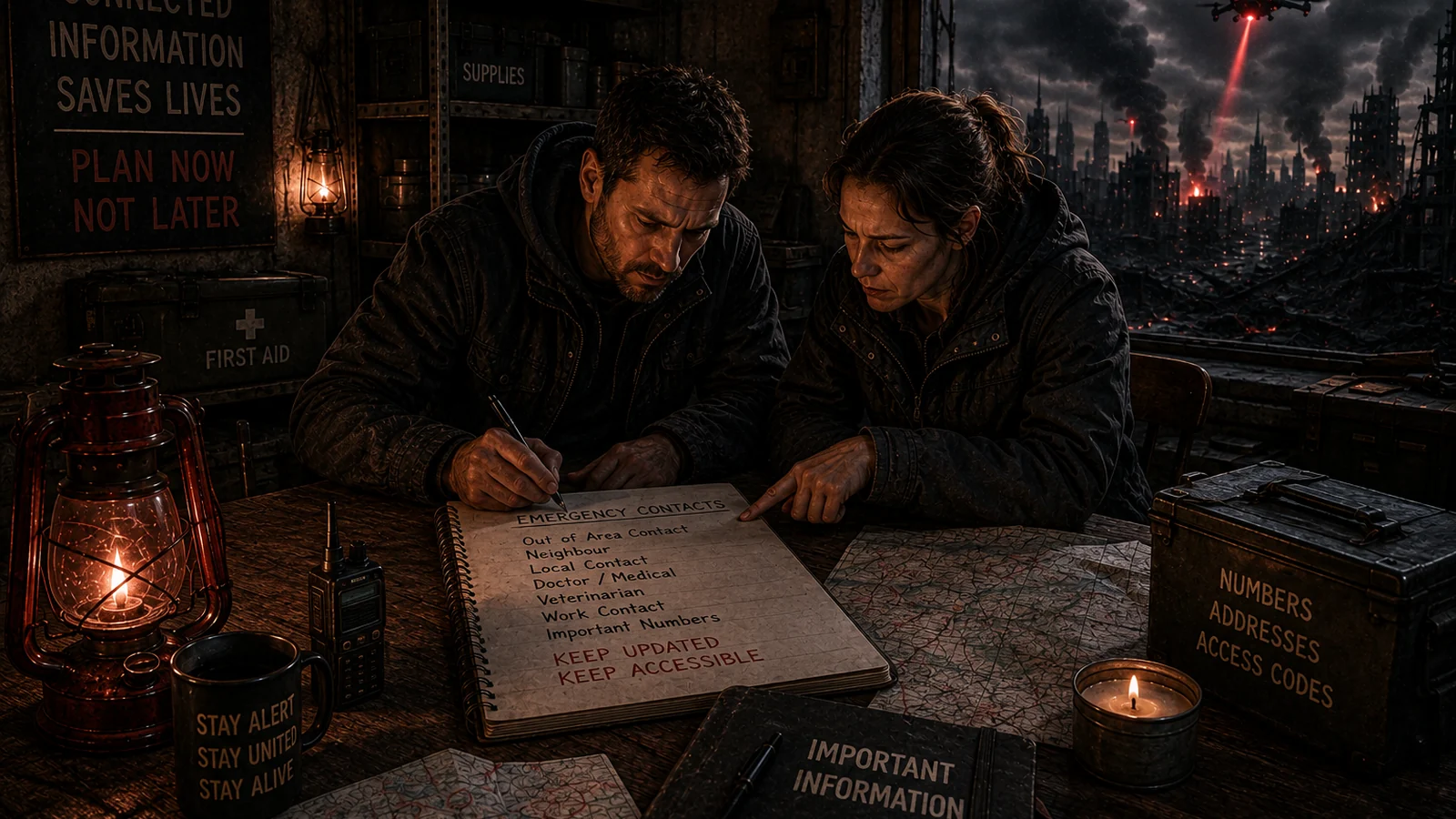
A digital wallet, banking app and cloud folder are convenient until power, networks or account access fail at the same time. Build a small offline layer before you need it.
YOUR MONEY EXISTS. YOU JUST CANNOT PROVE IT.
The banking app shows a balance, then logs you out. Card terminals reject transactions. Digital identity checks fail. A machine-controlled security system flags your account for review and there is no human queue to appeal to.
In that moment, paper documents and a modest amount of lawful emergency cash stop looking old-fashioned. They become evidence that parts of your life still exist outside the broken system.
Scenario: this is a deliberately extreme “what if?” exercise, not a claim that these events are happening or certain to happen.
The immediate answer
Keep a modest amount of emergency cash in sensible denominations if that is appropriate for your household, plus protected copies of the documents and reference information you would need during an outage or evacuation. Do not keep large cash sums, passwords or full account credentials in an obvious grab folder. The objective is short-term continuity, not creating a new theft risk.
Decide what cash is actually for
Emergency cash is useful for short periods when card terminals, mobile networks or banking access are disrupted but shops or local services are still trading. Think in terms of essential purchases such as food, transport or small emergency expenses. There is no universal amount. Base it on household size, likely local prices and what you can safely store without harming normal finances.
Use practical denominations
A stack of high-value notes is less useful if a small retailer cannot provide change. Smaller denominations can be more practical during temporary outages. Store cash discreetly and do not advertise that it exists. Review it occasionally so old notes or currencies are not forgotten after changes.
Build an emergency document pack
Useful offline records can include identification copies, insurance details, household addresses, vehicle information, medication lists, key medical contacts, pet records and emergency contacts. Keep originals where they normally belong unless an evacuation requires them. The emergency pack is primarily a continuity reference, not a place to consolidate every sensitive document you own.
Separate identity from passwords
Do not place online banking passwords, card PINs, recovery codes and full account credentials in an easy-to-grab household folder. Those items create serious risk if the folder is lost or stolen. Use a secure password-management and account-recovery strategy separately. The physical pack should contain only the information needed to identify accounts or contact providers without exposing access credentials.
Protect copies from water and fire
Use a durable envelope or document pouch and keep it somewhere known to the household but not obvious to visitors. A second encrypted digital copy stored securely offline can add resilience, but it should not be the only copy. If you use removable storage, protect it with encryption and know how to access it without internet-based authentication.
Plan for banking disruption without panic
A temporary payment failure is not evidence that the banking system has collapsed. Avoid rushing to withdraw large amounts because of rumours. Follow official information from your bank, regulators and government. In an AI misinformation scenario, independently verify any message telling you to move money, reveal credentials or “protect” funds through an unfamiliar account.
Review before travel or evacuation
If you may have to leave home, know which original documents would genuinely matter and where they are. Do not waste evacuation time collecting paperwork that has no immediate use. A short checklist can prevent both extremes: leaving without essential identification, or delaying departure while searching through drawers.
Keep a paper reference list
Keep a short paper list of insurer phone numbers, bank fraud contacts, policy references and the names of organisations you may need to reach. Do not include secret answers or authentication codes. A reference list is useful when a phone has died and you are borrowing another device. Add one trusted out-of-area contact who knows how to reach the household and review the list whenever an account, policy or address changes.
Separate identity, access and payment
Keep a small set of important document copies, key reference numbers and modest emergency cash rather than putting every sensitive record and all available money in one portable folder. The goal is continuity if digital systems are unavailable, not creating a single package whose loss would cause a second emergency.
Protect originals and sensitive details appropriately and carry only what the situation genuinely requires.
Use small denominations and a clear purpose
Cash can help with basic purchases when card systems are unavailable, but it is only useful where businesses are open and willing to accept it. Keep the amount proportionate to short-term needs and avoid treating a temporary outage as a reason to withdraw large sums.
Record unusual emergency spending so transactions and household reserves can be reconciled later.
Review documents after life changes
Moving house, changing insurer, renewing identification, altering prescriptions or changing family arrangements can make an old emergency folder misleading. Add a review date and update the contents when those changes happen.
A current, compact document pack is more useful than a thick archive nobody can navigate under stress.
Keep a recovery copy outside the main pack
If every document copy is stored in one bag, losing that bag removes the whole fallback. Keep another protected copy or secure backup in a separate appropriate location. The second copy should be limited to what would genuinely help recovery.
Test that digital copies can be opened without relying on one device or one forgotten password. A backup only has value when the legitimate owner can actually reach it.
Keep the pack current, compact and recoverable. The purpose is continuity during a short disruption, not carrying every record the household owns.
Keep only what supports real recovery decisions. The pack should help the household prove identity, access essential services, contact insurers or relatives, understand medication needs and recover key accounts without carrying a needless archive of sensitive paperwork.
Put a visible review date on the pack and update it after renewals, moves, prescription changes or insurance changes. A document bundle that is easy to find but full of expired details can create more delay than having no reference pack at all.
Keep the pack secure and limited to genuinely useful records. Store it where responsible household members can reach it quickly, but not somewhere obvious to visitors, and avoid including passwords, PINs or recovery codes that would make loss of the pack a security problem.
Continue from here
Build this topic into a wider plan, then see how the same dependency could fail in an AI-collapse scenario.
Evidence desk
Practical actions follow ordinary UK emergency-preparedness and safety principles. AI-collapse framing is scenario content, not a claim that such an event is occurring.
Continue
More Family, Community & Security guides → · 72-hour survival manual →