Power & Grid Survival • HEATWAVE
Summer Blackout Survival: Heat, Hydration and Food Safety
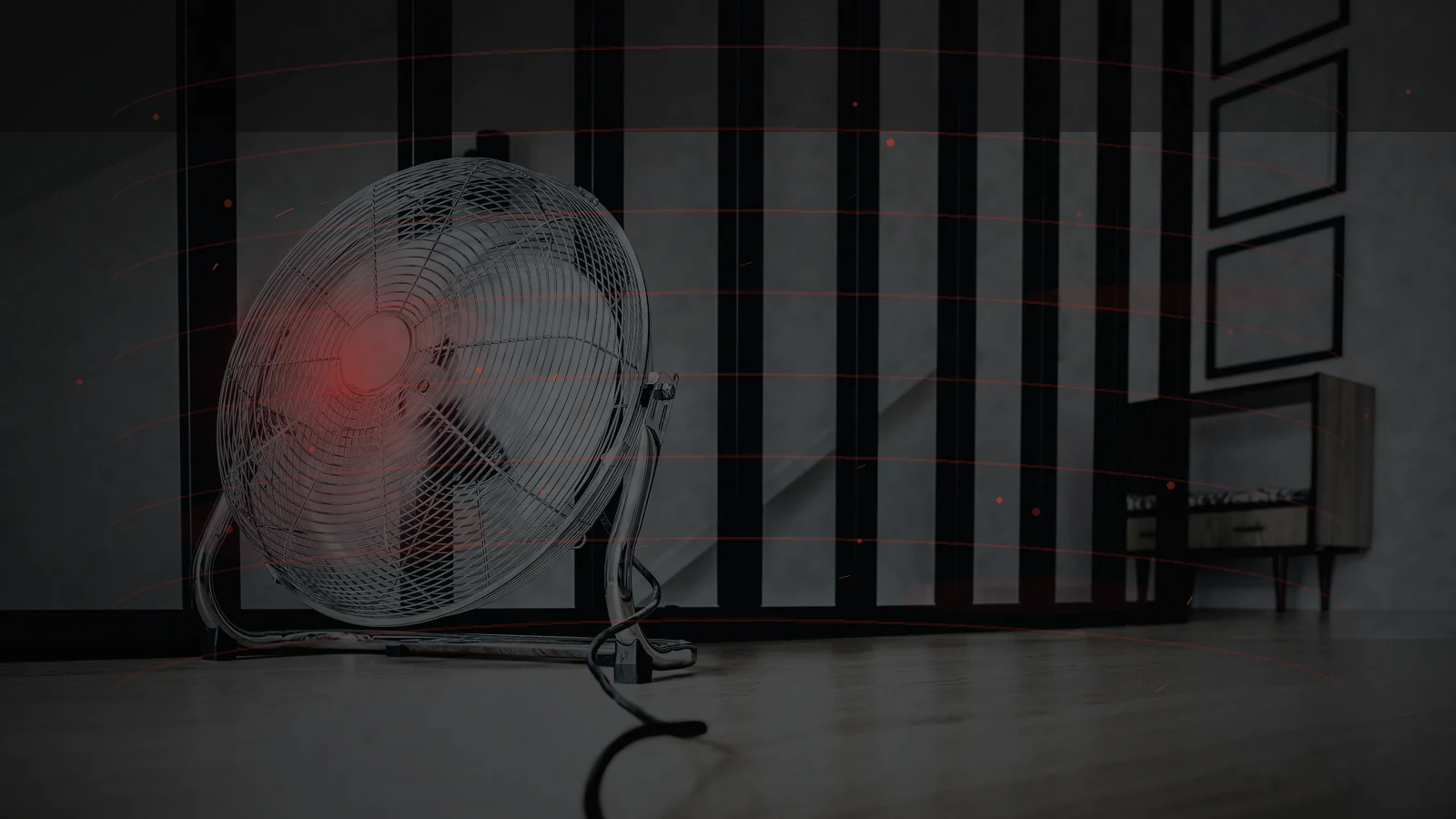
A summer blackout can remove fans, air conditioning, refrigeration and electrically pumped water at the same time heat stress is rising. Survival priorities change: reduce heat exposure, protect safe drinking water and watch vulnerable people closely.
Keep the building cooler before you try to cool people
Block direct sun with curtains, blinds or shutters on sun-facing windows while outdoor temperatures are highest. Ventilate when outside air becomes cooler than inside, but keep windows closed when opening them would bring in hotter air. Move activity to the coolest part of the property and reduce unnecessary heat from cooking and electronics. Battery fans can improve comfort and airflow but do not replace hydration or medical attention in dangerous heat. If the home becomes unsafe, identify cooler community or family locations early.
Hydration becomes a tracked resource
Drink regularly and make sure children, older adults and people who need care are doing the same. If the mains water supply is affected by the wider outage, stored potable water becomes critical. Do not ration drinking water so aggressively that dehydration creates a medical emergency. Follow official guidance if a boil-water or do-not-use notice is issued because different contamination risks require different responses. Keep some water ready before summer rather than assuming taps will always work during a power failure.
Watch for heat illness, especially in vulnerable people
Heat exhaustion can progress to a medical emergency. Pay attention to worsening weakness, dizziness, confusion, vomiting, fainting or unusually hot skin and follow current NHS or emergency guidance. People taking certain medicines or living with heart, lung or mobility problems may be at higher risk. A blackout can also disable lifts, powered beds, refrigeration for medication and telecare, making heat harder to manage. If someone has a condition affected by power loss, use their clinician-agreed plan rather than generic survival advice.
Food spoils faster when the room is hot
Keep refrigerator and freezer doors shut. A power cut starts a food-safety clock, and high ambient temperatures can shorten the practical margin. Use appliance thermometers if available and follow current Food Standards Agency advice rather than smell or appearance. Do not use scarce battery power to repeatedly open the fridge and check it. Decide which foods are most vulnerable, which are shelf stable and which can be safely discarded. Food poisoning during a major disruption is a preventable burden you do not want to add.
Backup electricity should target cooling where it genuinely helps
A small power station may run a fan for many hours, while air conditioning usually requires far more energy. Know the wattage before an outage and test realistic runtimes. Solar can be useful for recharging batteries during long bright days, but heat can reduce panel and battery performance and output varies with orientation and cloud. Keep batteries shaded and within manufacturer temperature limits. The goal is not to recreate the grid; it is to keep essential communications, medical needs and modest cooling functioning.
Night-time recovery is part of the plan
If evenings cool, use them to lower indoor temperature, recharge safely where power is available and let people recover. If nights stay very warm, sleep deprivation compounds heat stress and poor decisions. Schedule check-ins with vulnerable neighbours, keep a written plan and monitor official warnings. In a prolonged regional blackout, the best action may be temporary relocation to a safer cooled building rather than trying to endure a dangerously hot home with shrinking battery reserves.
Heat changes the priority order
In a hot-weather blackout, cooling and hydration can become more urgent than many of the problems people associate with power cuts. Close blinds on sun-facing windows, reduce unnecessary heat from cooking and appliances, use the coolest rooms and avoid strenuous activity during the hottest part of the day. If outdoor air becomes cooler in the evening, safe ventilation can help the building release stored heat.
Vulnerable people may need a lower threshold for seeking help or relocating to an official cool space. Age, illness, medication and mobility can all change how quickly heat becomes dangerous.
Fans help only while conditions allow
Battery or backup-powered fans can improve comfort and help sweat evaporate, but they do not reduce the actual air temperature. In extreme heat, especially for vulnerable people, a fan alone may not be enough. Use it as one layer alongside hydration, shade, light clothing and access to a cooler environment.
Direct limited battery power toward the people and rooms where it provides the most benefit rather than running every device continuously.
Night is your recovery window
Prepare the sleeping area before dark: charge essential devices, put water nearby and arrange ventilation where safe. Sleep loss makes heat harder to tolerate and worsens judgement the next day. If the house remains dangerously hot overnight, consider whether staying there is still sensible.
A summer blackout plan should include a place you can go if the building cannot be kept within a safe range.
Reduce indoor heat before using battery power
Shade, closed blinds, reduced cooking and fewer heat-producing devices can lower the cooling burden without using stored electricity. Backup power then lasts longer because it is supporting people rather than fighting avoidable heat generated inside the home.
Energy conservation and heat management should work together rather than as separate plans.
Keep hydration visible
In hot conditions, people can underestimate how little they have drunk. Keep water accessible and use regular reminders for vulnerable household members rather than waiting for obvious thirst. Follow medical advice for anyone whose fluid intake is restricted or otherwise clinically managed.
Heat planning should support health needs, not override them.
Check on people, not just rooms
Indoor temperature is only part of the picture. Watch how vulnerable household members are coping and seek medical advice or emergency help if symptoms suggest heat illness rather than ordinary discomfort.
Heat planning needs an exit point
If the home cannot remain safe, relocation is part of the plan rather than a failure of it.
Continue from here
Build this topic into a wider plan, then see how the same dependency could fail in an AI-collapse scenario.
Evidence desk
Practical actions on this page use current UK power-cut and emergency guidance. A nationwide AI-driven grid failure is scenario analysis, not a claim that such an event is happening or inevitable.
Practical guidance reviewed: August 2026 · In a real emergency, follow official local instructions and emergency services.