Power & Grid Survival • COMMUNICATIONS POWER
How To Charge a Phone in a Power Cut: Keep Communications Alive
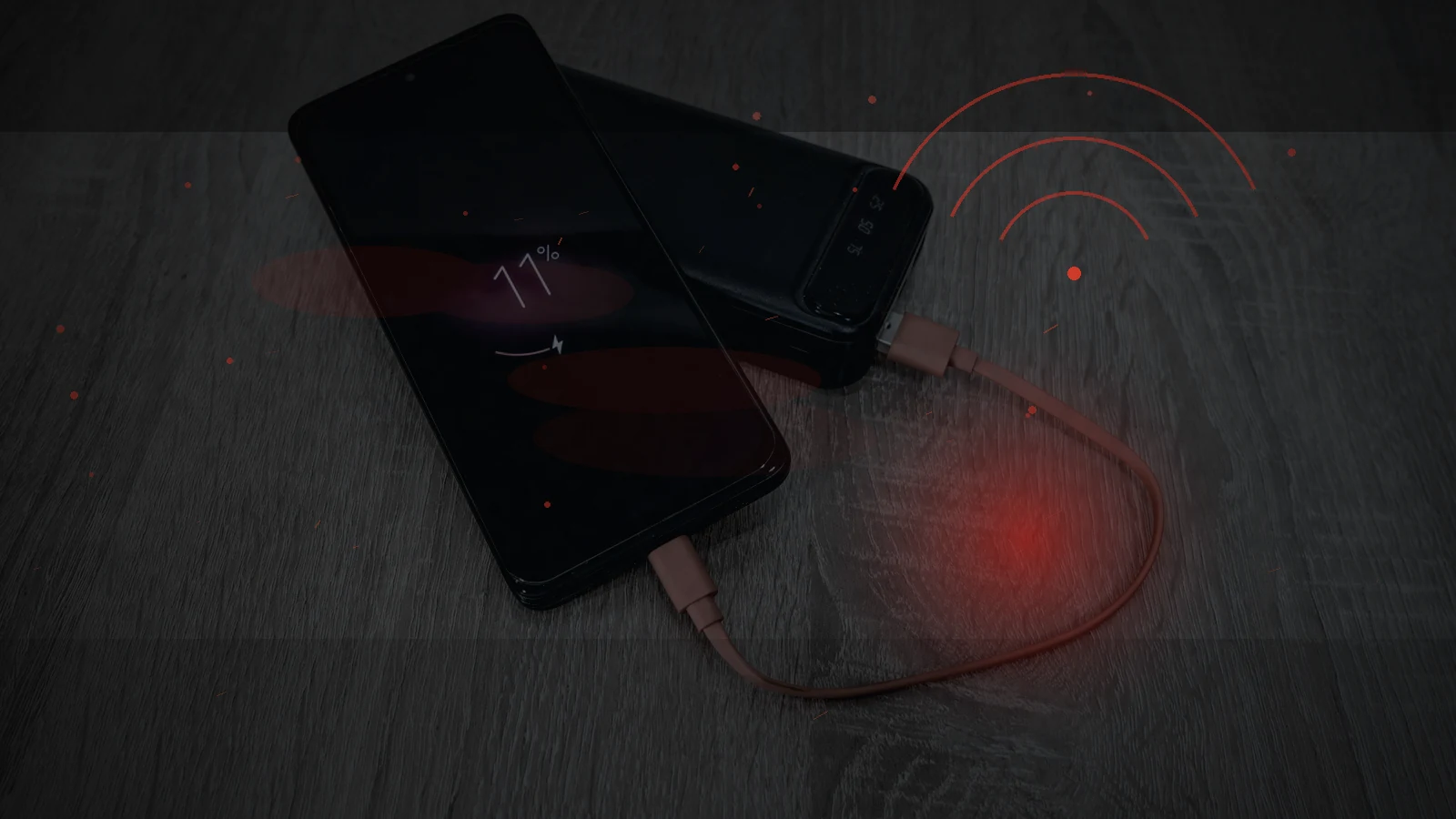
During a blackout, your phone can be a map, torch, radio substitute, contact book, authentication device and emergency lifeline. That makes battery conservation more important than normal use — and it also means you need a plan for the moment the network itself degrades.
Cut consumption before hunting for more electricity
The cheapest watt-hour is the one you never spend. Switch on low-power mode, reduce brightness, disable unnecessary background refresh, turn off Bluetooth and location when you do not need them, and stop using the phone as entertainment. Downloaded maps, screenshots of key information and written phone numbers reduce the need to keep mobile data active. If signal is weak, the phone may burn battery searching for a mast, so consider airplane mode between scheduled check-ins. Keep at least one household phone at a high state of charge rather than letting every device drift toward empty at the same time.
Use power banks as a rationed reserve
A charged USB power bank is the simplest blackout charging option because it is quiet, indoor-safe and needs no fuel. Label its capacity, keep the correct cables with it and test it before an emergency. Do not assume the number printed on the case equals the energy that reaches your phone; conversion losses and battery condition reduce usable capacity. In a prolonged outage, assign charging windows and stop topping phones up to 100% out of habit. Bringing one essential handset from 20% to 60% may be more valuable than filling several devices completely.
Cars can charge phones, but fuel and safety matter
A vehicle USB socket or 12-volt adapter can provide useful charging if the car is available, but do not run a combustion engine in a garage or enclosed space. Carbon monoxide can build up quickly and without warning. If you use the vehicle, do it outdoors and think about fuel as another emergency resource. An electric vehicle may offer substantial stored energy for its own USB and accessory sockets, but household power export depends on the vehicle and installed equipment. Never improvise mains connections from a car or inverter.
Laptops, power stations and solar can extend endurance
A charged laptop can act as a temporary USB battery, although converting its battery into phone charge is not perfectly efficient. Portable power stations provide much larger reserves and can support communications alongside lights, radios and some medical devices. Small solar panels can replenish batteries during daylight if weather and positioning cooperate, but output is variable and rarely matches headline ratings. The useful strategy is layered: conserve first, use stored battery second, and treat solar or other generation as replenishment rather than guaranteed continuous power.
Plan for the network to fail before the phone does
UK emergency guidance warns that home internet will stop without power and mobile service may also fail if local masts lose power or backhaul. A fully charged smartphone cannot fix a dead network. Write down key numbers, agree family meeting points and keep a battery or wind-up radio for official information. Text messages may get through when data service is congested, but do not rely on any one channel. In a major AI disruption scenario, synthetic messages could also spread quickly, so verify urgent instructions through official and independent routes when possible.
Build a seven-day charging routine, not a gadget pile
For a longer outage, list every device that competes for stored electricity and rank them. Life-critical medical equipment comes first, then communications, lighting and information. Decide how often phones actually need charging and who gets priority. Keep cables together, avoid leaving converters plugged in doing nothing and recharge every battery opportunity you safely get. A household that knows its daily phone-energy requirement can make rational decisions; a household that simply plugs everything in until the backup battery dies cannot.
Separate communication from entertainment
During an extended outage, the phone's most valuable functions are usually contact, trusted information, maps and essential account access. Video streaming, constant social feeds and high screen brightness can consume the same battery that may be needed later for a call or alert.
Use airplane mode or low-power settings when appropriate, reduce background activity and agree specific times to check messages instead of keeping every phone active continuously.
Rotate devices instead of draining all of them
If several household members have phones, keep one charged device in reserve rather than using all batteries evenly. One active phone can handle updates while another remains available for later or for somebody who needs to travel.
The same principle applies to power banks: one active, one reserve is often easier to manage than several half-empty batteries.
Make charging windows count
If mains power returns briefly or you gain access to a safe charging source, prioritise the devices that preserve the most options. Charge essential phones first, then medical or accessibility equipment where applicable, then lower-priority devices.
Do not assume a short restoration window will last. Use it deliberately and keep enough reserve for another interruption.
Download what you need while power exists
Offline maps, key documents and important contact details reduce the amount of screen time and network access required during the outage. A phone that already contains useful local information can remain in low-power mode for much longer.
Prepared information is another form of battery saving.
Keep one cable with every backup source
Do not assume the right cable will be nearby when the house is dark. Store compatible leads with power banks, vehicle chargers or battery stations and remove obsolete ones when phones change.
Small organisation prevents a charged battery becoming useless because the only matching cable is missing.
Keep one phone quiet
If several handsets are available, leave one mostly unused and charged as a communications reserve for later in the outage.
Protect the final charge
Keep enough battery in reserve for essential contact if the outage lasts longer than expected.
Keep that reserve deliberate.
Continue from here
Build this topic into a wider plan, then see how the same dependency could fail in an AI-collapse scenario.
Evidence desk
Practical actions on this page use current UK power-cut and emergency guidance. A nationwide AI-driven grid failure is scenario analysis, not a claim that such an event is happening or inevitable.
Practical guidance reviewed: August 2026 · In a real emergency, follow official local instructions and emergency services.