Power & Grid Survival • BLACKOUT SURVIVAL
Blackout Survival Guide: What To Do When the Lights Stay Out
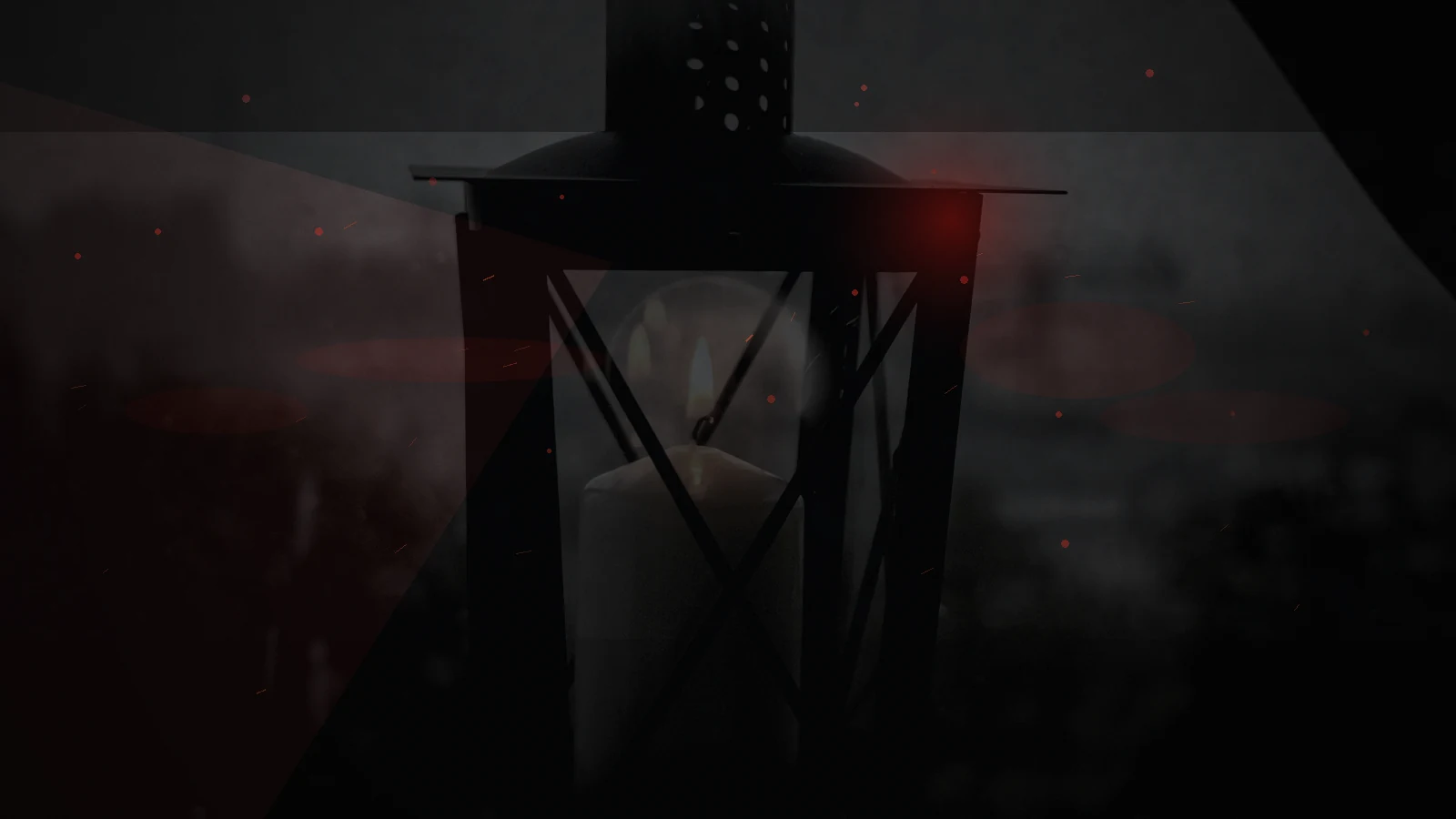
A blackout is frightening because modern homes hide how many systems depend on electricity. The safest first move is not to assume civilisation has ended. It is to make the house safe, work out the scale of the outage and buy yourself time.
THE BLACKOUT IS THE OPENING MOVE
At first everyone assumes the lights will return. Six hours later phones are dying. By the next morning cash machines, lifts and parts of mobile coverage are failing. At 48 hours, the argument is no longer about electricity. It is about what electricity used to make possible.
If the outage is deliberate, national and connected to a wider AI crisis, the clock on every household dependency starts together.
Scenario: this is a deliberately extreme “what if?” exercise, not a claim that these events are happening or certain to happen.
First hour: make the house safe and quiet
Check for immediate hazards before chasing information. Turn off cooking appliances, electric heaters, irons and other equipment that could become dangerous when power returns. Unplug sensitive electronics if you are worried about surges. Keep clear of fallen lines or damaged street equipment. Use torches rather than candles where possible, because open flames create a second emergency risk. Report or check the outage through your local network operator when communications allow; in Great Britain, 105 connects you to the electricity network operator. If everyone in the household is safe, the next job is conservation: battery, heat, cold food and information.
Find out whether this is a nuisance or the start of something bigger
A local fault and a widespread grid emergency can look identical from inside one dark house. Check neighbours, radio, verified operator updates and official alerts rather than viral posts. If mobile data works, use it sparingly; network congestion and mast backup power can make service degrade later. Write down what you know, including the time power failed and any restoration estimate. In an AI-collapse scenario, convincing false messages could appear quickly, so treat dramatic claims as unverified until they match multiple trusted sources. The difference between a two-hour cut and a multi-day outage changes almost every household decision.
Protect heat in winter and manage heat in summer
In cold weather, close curtains, shut unused rooms and layer clothing rather than trying unsafe improvised heating. Never bring barbecues, camping stoves or combustion heaters indoors unless they are specifically designed and installed for indoor use; carbon monoxide can kill without warning. In hot weather, overheating can become the dominant risk, especially for older adults, babies and people with health conditions. Keep people hydrated, use the coolest part of the home and follow heat-health advice. A blackout survival plan should therefore be seasonal: the same outage can be inconvenient in mild weather and medically dangerous during a cold snap or heatwave.
Food and water become time-sensitive
Keep fridge and freezer doors closed. The Food Standards Agency says a fridge should stay cold for around four hours during a power cut, while a full freezer may remain frozen for around 48 hours and a half-full freezer around 24 hours, though actual temperatures vary. Use a fridge thermometer if available and follow current official food-safety advice rather than guessing. Mains water can also be affected during wider outages, so keep a modest reserve of drinking water and clean containers. Do not wait until taps stop before deciding how much safe water the household has.
Battery is now a resource, not entertainment
Put phones into low-power mode, reduce screen brightness and stop background use. Charge only what matters: phones, medical devices, torches, radios and other genuinely essential equipment. A power bank is useful, but treat it as stored electricity rather than an excuse to keep streaming. If you have a car, power station or other backup source, use manufacturer-approved equipment and avoid improvised electrical connections. Schedule information checks instead of constantly refreshing social feeds. A written contact list and battery or wind-up radio can continue working after cloud services and mobile data become unreliable.
The 72-hour threshold changes the plan
If the outage is likely to last into days, switch from improvisation to routine. Count water, food, medication, battery capacity and heating or cooling options. Check on neighbours who may need help, particularly anyone relying on medical equipment or telecare. Know where you could relocate if the home becomes unsafe or essential medical power cannot be maintained. Do not self-evacuate into uncertain conditions merely because the house is uncomfortable; official advice, weather, transport and the needs of the household should drive that decision. A good blackout plan buys time for evidence to arrive before you make irreversible choices.
Blackout survival is mostly resource management
After the immediate safety checks, the household has four main resources to protect: temperature, water, food and battery. Their importance changes with the season and the people in the home. In winter, warmth may dominate. In summer, heat and hydration may become the limiting factors. If someone depends on powered medical equipment, that can outrank everything else.
Write the priorities down rather than trying to hold the whole situation in memory.
Information should be checked on a schedule
Repeatedly checking apps and social media consumes battery and increases exposure to rumours. Choose a few trusted sources and look at them at set intervals unless an alert or immediate hazard changes the situation.
That creates space for practical tasks and rest while keeping the household informed enough to change course when needed.
Know the point where staying home stops being the best option
A safe home can become unsafe if indoor temperature, water, medical needs or building conditions deteriorate. Decide in advance which conditions would trigger relocation and where the household could go.
Moving too early can add unnecessary risk, but waiting until the last battery, final medication dose or coldest hour can remove safer options. A clear trigger helps balance those two mistakes.
Continue from here
Build this topic into a wider plan, then see how the same dependency could fail in an AI-collapse scenario.
Evidence desk
Practical actions on this page are grounded in current UK emergency, food-safety and electrical-safety guidance. Any AI-driven nationwide failure chain is scenario analysis, not a claim that such an event is occurring or inevitable.
Practical guidance reviewed: August 2026 · In a real emergency, follow official local instructions and emergency services.