Power & Grid Survival • UK CHECKLIST
Power Cut Checklist UK: What To Prepare Before the Lights Go Out
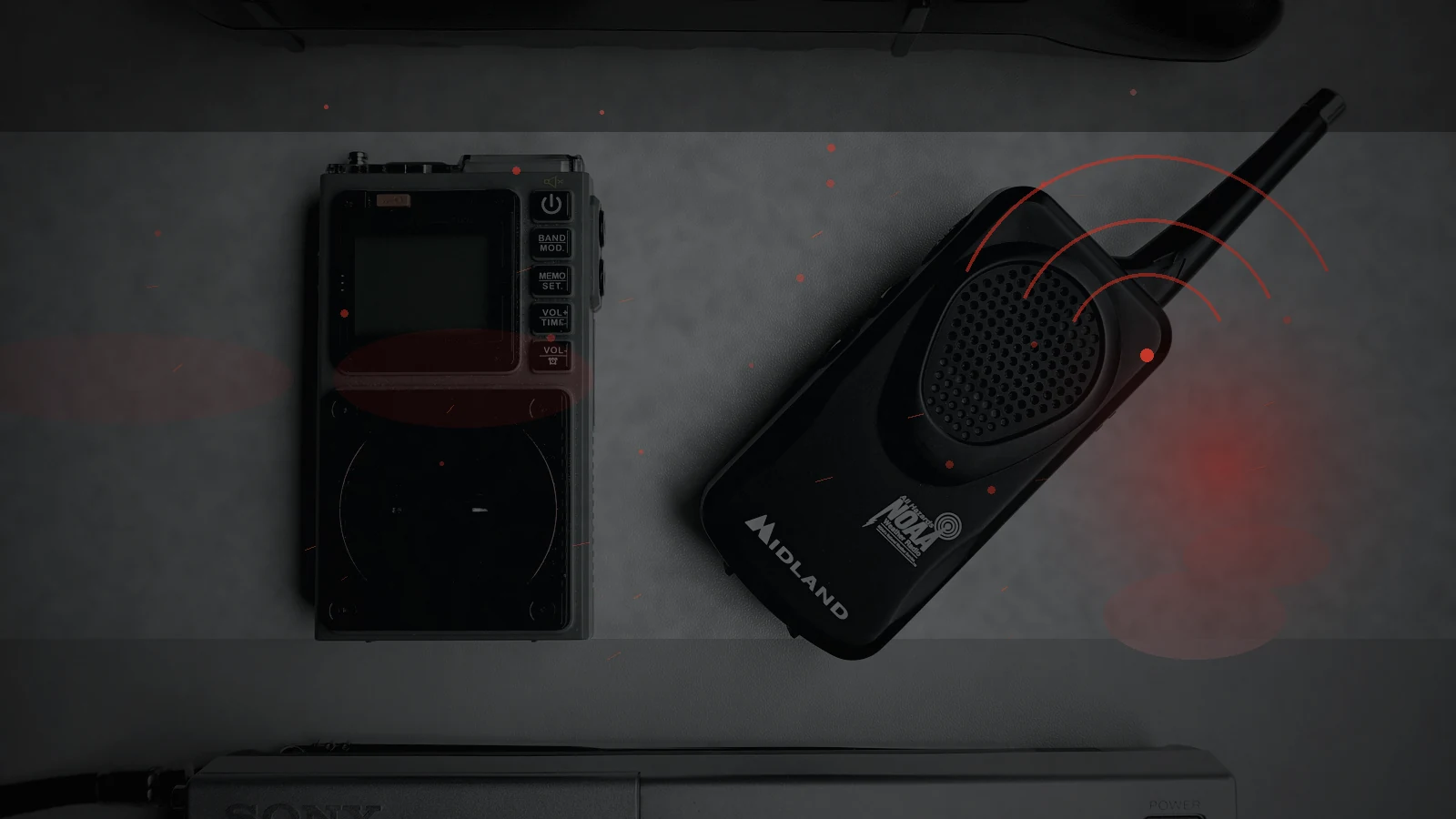
The most useful blackout kit is not a fantasy bunker. It is a small set of tested household capabilities: light, water, food, communications, medical continuity and the information needed to understand what is happening.
WHAT IF THIS IS NOT A NORMAL POWER CUT?
The checklist is the same at first: stay safe, preserve batteries, protect food, check vulnerable people. Then the outage spreads nationally and the restoration estimate disappears.
That is the value of a real checklist. It works during the ordinary event and becomes the first page of the survival plan if the ordinary event turns into something much worse.
Scenario: this is a deliberately extreme “what if?” exercise, not a claim that these events are happening or certain to happen.
Write down 105 and your network details
In England, Scotland and Wales, 105 is the free number used to report or get information about a power cut; Northern Ireland uses a different number. Save it in your phone but also write it on paper. Know your electricity network operator rather than only your energy supplier, because the network operator handles faults on the local electricity network. UK Prepare also recommends knowing your load-block letter, which may be used if emergency rotating disconnections are ever required during a national energy shortage.
Build a lighting and battery layer
Keep battery or wind-up torches and spare batteries where people can reach them without crossing a dark house. Torches are generally safer than candles. Maintain charged power banks and the right cables for essential devices. Test the equipment every few months instead of discovering dead batteries during an outage. If you own a larger power station, know exactly which loads it is intended to support and how long they run. Avoid building a system so complicated that nobody else in the household can operate it safely.
Store useful food and water, not apocalypse props
Keep some bottled or otherwise safely stored drinking water and familiar shelf-stable foods that need little or no cooking. Include infant, pet and dietary requirements. A manual can opener is more useful than an expensive gadget if the food reserve is tinned. During a cut, keep fridge and freezer doors closed and follow current food-safety guidance. The purpose of the reserve is to remove the need for an immediate shopping trip while payments, refrigeration or local roads may be disrupted.
Make medical and vulnerable-person arrangements now
If anyone uses electrically powered medical equipment, telecare or connected health devices, speak to the relevant provider or clinical team about power-loss behaviour and backup. Check Priority Services Register eligibility and register with the appropriate supplier or network operator. Keep medication details and emergency contacts on paper. Think about neighbours or relatives who may need help. A power-cut checklist should identify people, not just equipment, because cold, heat, disability and medical dependence can turn a routine outage into an urgent situation.
Keep an offline information route
Home broadband stops when the router loses power, and local mobile service may degrade if mast backup is exhausted or backhaul fails. Keep a battery or wind-up radio and know which stations provide news. Agree a family meeting point and an out-of-area contact. Print key addresses and phone numbers. Download maps or essential documents before an emergency. In an AI-related crisis, treat extraordinary social-media claims cautiously and verify urgent instructions through official sources and another independent channel whenever possible.
During the outage, make the house safe before doing anything clever
Turn off cooking appliances, electric fires, irons and similar equipment so they do not restart dangerously when supply returns. Keep away from fallen power lines and damaged electrical infrastructure. Unplug sensitive electronics if appropriate. Do not run generators or barbecues indoors or in garages. Conserve phone battery, close fridge doors and check on vulnerable people. If the outage becomes prolonged, move from waiting to a written household routine for water, food, heat, battery and information.
Make the first five minutes automatic
Know where the torches are, check whether vulnerable household members are safe and determine whether the outage is local or wider. Avoid immediately opening the fridge or freezer, and do not waste phone battery refreshing the same information source repeatedly. A short written first-five-minutes routine prevents small mistakes from becoming the pattern for the whole outage.
If there is an immediate hazard such as fire, flooding or a medical emergency, that takes priority over the checklist.
Keep one paper page of essential information
Write down useful contacts, medical needs, the electricity-network contact route and household meeting arrangements. If the router is dead and phone battery is limited, that page remains available without logging in anywhere.
Update it when household details change. A backup that is three years out of date can create as much confusion as having no backup at all.
Review the kit twice a year
Check torches, spare batteries, power banks, medication arrangements, food rotation, water containers and radio function. Make sure cables still fit the phones and devices you actually own.
The checklist becomes valuable when it is maintained as part of the household rather than printed once and forgotten in a drawer.
Include the people who are not home
The checklist should cover what happens if the outage begins while household members are at work, school or travelling. Agree who collects children, which meeting point is used and how long people wait before moving to the backup plan.
A power-cut checklist is strongest when it works without everybody standing in the same kitchen.
Keep one reserve for uncertainty
Do not plan every battery, meal and journey down to zero. A small unallocated margin protects the household if restoration takes longer than expected or a new problem appears.
Keep it current
Review the checklist after major household changes.
Continue from here
Build this topic into a wider plan, then see how the same dependency could fail in an AI-collapse scenario.
Evidence desk
Practical actions on this page use current UK power-cut and emergency guidance. A nationwide AI-driven grid failure is scenario analysis, not a claim that such an event is happening or inevitable.
Practical guidance reviewed: August 2026 · In a real emergency, follow official local instructions and emergency services.