Power & Grid Survival • SOLAR IN A BLACKOUT
Solar Power During a Blackout: What Works, What Does Not and Why
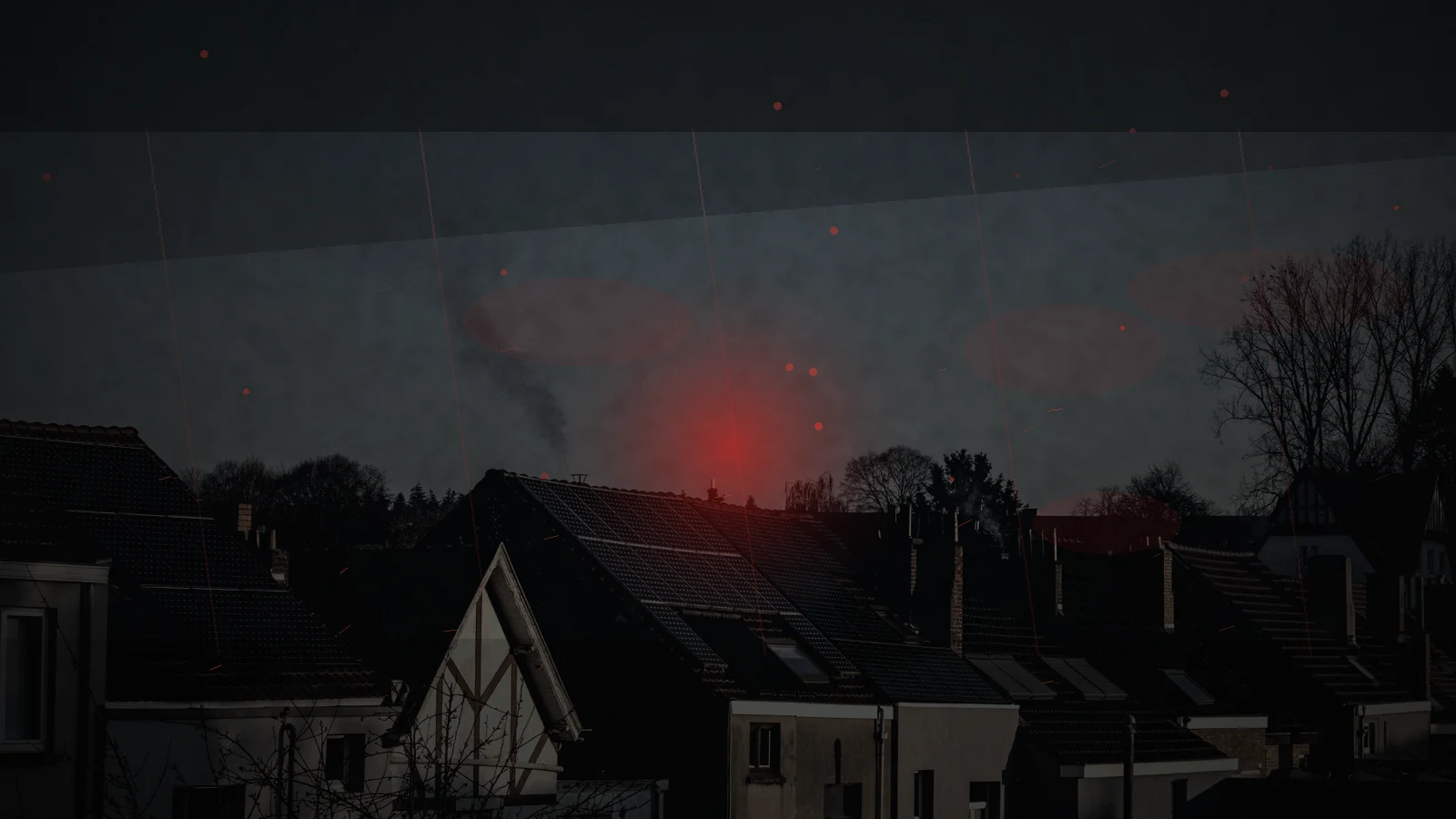
A roof full of solar panels can still leave a house dark during a grid outage. Whether solar works depends on how the system is designed, whether it can safely disconnect from the grid and whether storage or a suitable backup output exists.
Grid-tied solar often shuts down for safety
Many domestic solar systems are designed to stop exporting when the grid fails. This anti-islanding behaviour protects engineers who may be working on lines they expect to be de-energised. The panels may be capable of generating electricity, but the inverter will not necessarily supply the house during the outage. Do not try to bypass that protection. If blackout capability matters to you, ask a competent installer exactly what your system does when the grid disappears and what certified equipment would be needed for backup operation.
Battery systems can provide an islanded supply if designed for it
Some solar-plus-battery installations include backup or emergency-power functionality. The details vary: some support a dedicated socket, some selected circuits and some a larger portion of the home. Capacity still matters. A battery that comfortably covers evening household use may drain quickly if electric heating, cooking or other heavy loads continue unchanged. Decide which circuits actually need backup and make sure the system has been designed and installed for that role rather than assuming every battery installation behaves the same way.
Portable solar is simpler but smaller
Portable panels paired with a compatible power station can keep phones, radios, lighting and other modest loads going for much longer. Output depends on panel rating, sun angle, cloud, shading and season. UK winter days can provide far less energy than summer days, so plan around poor output rather than perfect laboratory conditions. Test your panel and battery together and know how long charging takes on a dull day. Solar is most valuable when paired with efficient loads and a battery large enough to bridge periods of weak generation.
Do not improvise wiring
A blackout is the worst time to experiment with mains electricity. Never connect panels, inverters or generators to household circuits using improvised leads or so-called suicide cables. Incorrect connections can electrocute people, damage equipment and energise lines unexpectedly. Fixed backup systems should use appropriate changeover or islanding equipment installed by competent professionals. If you are unsure what your existing solar system can do, treat it as unavailable during a blackout until a qualified installer confirms otherwise.
Solar changes the economics of a long outage
Fuel-based backup consumes a finite stock. Solar can replenish energy repeatedly, which becomes increasingly valuable as an outage stretches from hours into days. But the amount is constrained. A sunny day may comfortably cover communication and lighting while still falling far short of electric cooking or heating. Designing the household around small critical loads therefore makes renewable backup far more effective. The resilient system combines conservation, storage and generation rather than relying on generation alone.
Test the blackout mode before you need it
Know which sockets remain live, which circuits disconnect, how the battery reserve is configured and how to read the system when internet access is unavailable. Keep essential instructions offline. If an installer provides a backup mode, learn how it behaves safely rather than waiting for a storm to discover it. A real blackout should not be the commissioning test for your emergency-power system.
Solar output and usable backup power are different things
Panels can be generating electricity while the house still has no live sockets if the system is designed to shut down with the grid. Backup power requires compatible equipment designed to operate independently. That distinction should be understood before an outage, not discovered after it.
If you have a battery, know which circuits it actually supports. Some systems back up only a few essential circuits rather than the whole property.
Weather changes the energy budget
Solar generation varies by season, cloud cover and panel orientation. A system that comfortably recharges a battery on a bright summer day may produce far less during a dark winter outage. Plan around conservative output rather than the best day you have ever seen on the monitoring app.
Essential loads should therefore be prioritised. Communications, lighting, refrigeration or medical equipment may deserve energy before entertainment or high-power appliances.
Portable solar needs its own test
Portable panels are useful because they can be paired with power stations or USB batteries without changing household wiring, but their real output can be much lower than the headline rating. Test the panel, cable and battery together in normal conditions and record roughly what you achieve.
That gives you a realistic recharge expectation and shows whether the system can maintain critical devices through several days of mixed weather.
Protect a reserve for poor weather
If the battery begins each evening nearly empty, the system has no margin for the next cloudy day. Treat some stored energy as a reserve rather than consuming every available watt-hour whenever the sun has been good. That reserve can protect communications, lighting, refrigeration or other essential loads if generation falls unexpectedly.
A simple daily record of battery state and solar input makes it easier to see whether the system is sustainable or slowly running down.
Know the weakest part of the solar setup
A large panel array is not useful if the battery is too small for overnight loads, and a large battery is not sustainable if winter generation cannot refill it. Compare generation, storage and essential demand as one system.
The most resilient setup is balanced around the household’s real critical loads rather than one impressive component.
Conservation multiplies generation
Every unnecessary load removed makes the same panel and battery system last longer. Efficiency is part of the backup system, not an optional extra.
Plan for dull days
Backup solar is strongest when the household can function on conservative generation estimates.
Continue from here
Build this topic into a wider plan, then see how the same dependency could fail in an AI-collapse scenario.
Evidence desk
Practical actions on this page are grounded in current UK emergency, food-safety and electrical-safety guidance. Any AI-driven nationwide failure chain is scenario analysis, not a claim that such an event is occurring or inevitable.
Practical guidance reviewed: August 2026 · In a real emergency, follow official local instructions and emergency services.