Power & Grid Survival • COLD WEATHER
Winter Blackout Survival: Heat, Cold and the First Dangerous Night
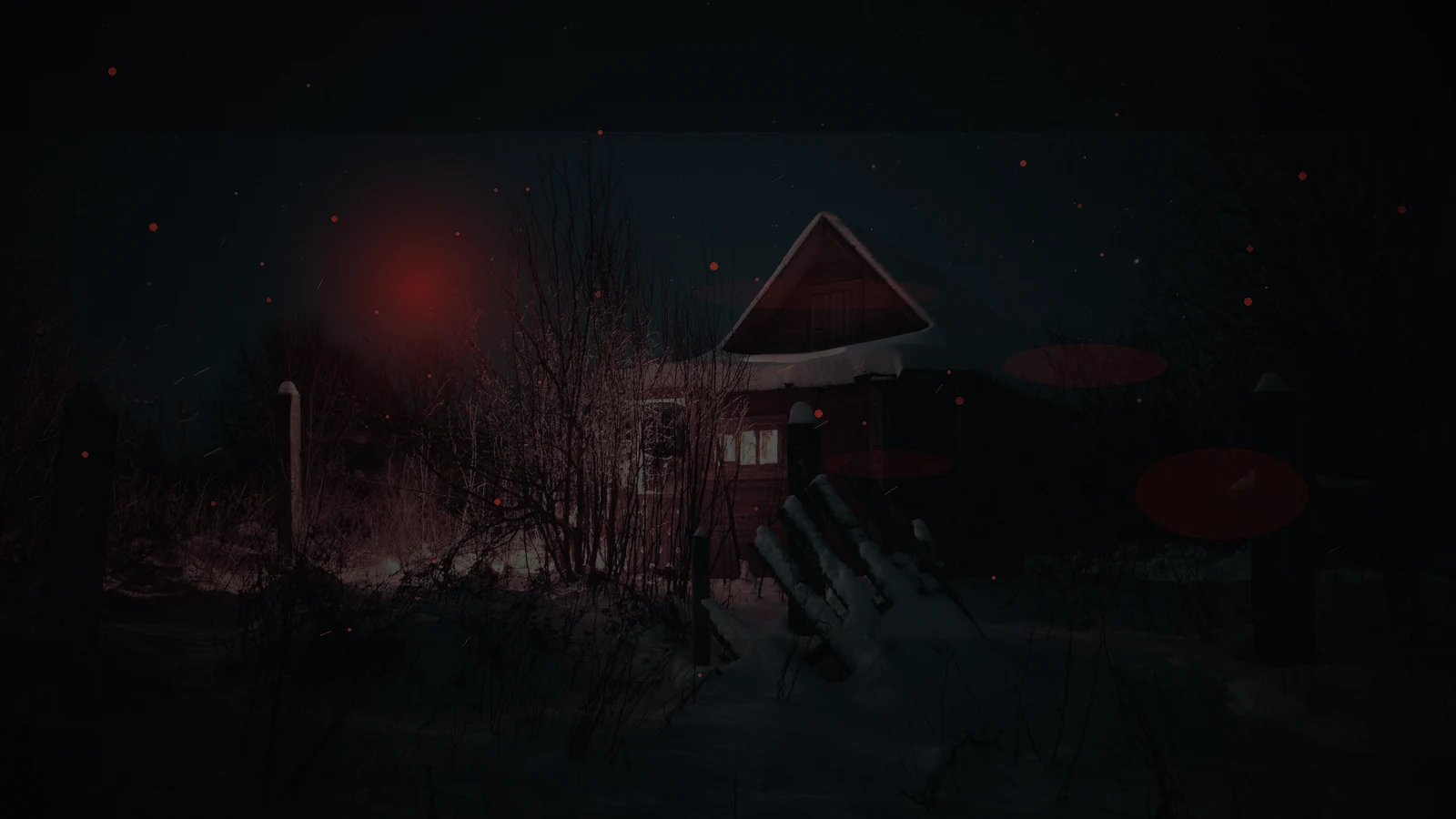
A winter power cut is dangerous because many heating systems still depend on electricity even when the fuel is gas or oil. The aim is to slow heat loss, protect vulnerable people and avoid the lethal temptation to improvise indoor combustion heating.
Trap the heat you already have
Close curtains before darkness, shut doors to unused rooms and concentrate the household in one safer living area. Layer loose clothing, socks and hats, and use blankets before anyone becomes deeply chilled. Avoid opening external doors unnecessarily. If sunlight appears, use it where practical, then close curtains again as temperatures fall. A modern insulated home may cool slowly; an older, draughty property can lose heat much faster. Track indoor temperature if you can, especially where babies, older adults or people with chronic illness are present.
Never trade cold risk for carbon-monoxide risk
Do not bring barbecues, patio heaters, camping stoves, generators or other outdoor combustion equipment into the home to create heat. Carbon monoxide is colourless, odourless and can kill. Use only heating appliances specifically designed and installed for indoor use, following manufacturer instructions. Keep working carbon-monoxide alarms where required and do not block ventilation in a desperate attempt to retain warmth. If people develop headache, dizziness, nausea or unusual drowsiness around combustion equipment, get into fresh air and seek emergency help.
Protect people before pipes and property
Older adults, babies, young children and people with long-term health conditions are more vulnerable to cold. Check medication, powered medical equipment and mobility needs early rather than after the home has become dangerously cold. If someone relies on electrically powered medical equipment, use the specific plan agreed with their clinician, provider or equipment supplier. Eligible households should use the Priority Services Register, but registration is not a replacement for a backup plan. Decide in advance which relatives, friends or community locations could safely receive the household if relocation becomes necessary.
Think about frozen pipes before they burst
Long periods of freezing weather can create plumbing damage if a home becomes very cold. Know where the internal stop tap is and keep access clear. If you suspect a pipe has frozen, do not attack it with a naked flame or uncontrolled heat. Follow water-company or professional guidance. A burst pipe during a blackout creates a second emergency — water damage, loss of safe water and potentially electrical hazards when power returns. The best mitigation is preparation before winter: insulation, maintenance and knowing how to isolate the supply.
Run food, light and information as separate systems
Cold weather does not remove the need for ordinary blackout discipline. Keep fridge and freezer doors closed, use torches rather than candles where possible, preserve phone battery and listen for verified operator or official updates. Outdoor cold can sometimes help with food storage, but only if food is protected from contamination and kept within safe temperature limits. Do not assume a freezing garden is automatically a safe refrigerator. Use a thermometer and current food-safety guidance.
Set a relocation threshold before the house reaches it
The hardest winter decision is when to leave. Do not wait until someone is hypothermic or an essential medical device is almost out of backup power. Define triggers in advance: unsafe indoor temperature, failed water, exhausted medical backup, inability to cook infant feeds safely, structural damage or official evacuation instructions. Check road and weather conditions before travelling. In a widespread outage, roads, fuel stations and mobile coverage may also be compromised, so relocation should be planned rather than improvised.
Measure the house, not just how cold it feels
A simple indoor thermometer helps the household see whether temperatures are stable or steadily falling. That trend matters more than one uncomfortable moment because it shows whether your current insulation and body-heat plan is actually working.
Check the rooms used by vulnerable people first. Infants, older adults and people with some health conditions can become affected by cold sooner than healthy adults.
Use one occupied zone
When heating is unavailable, keeping one safe room comfortable is usually easier than trying to preserve the whole property. Close unused rooms, use curtains and draught reduction where safe, layer clothing and bedding and keep necessary items nearby so people are not repeatedly crossing cold parts of the house.
Do not block required ventilation or use outdoor combustion equipment indoors. Cold is dangerous, but carbon monoxide and fire can become dangerous faster.
Plan the move before the coldest hour
Identify where the household could go if the building becomes too cold: relatives, friends or official warm spaces where available. Keep transport, medication and essential documents ready enough that leaving does not require a new packing exercise.
The safest time to relocate is often before the house reaches a crisis temperature, while roads, batteries and judgement are still better.
Dryness matters as much as layers
Damp clothing and bedding lose insulating performance and make cold conditions feel worse. Keep wet coats and footwear away from sleeping areas, change out of damp layers promptly and manage condensation so the chosen warm room remains usable.
If the household is using an approved heating appliance, follow its ventilation guidance rather than sealing the room completely in an attempt to preserve heat.
Use daylight for the colder jobs
Complete tasks that require moving around, fetching supplies or opening colder rooms while there is natural light and the building is relatively warm. Before evening, bring water, medication, torches and extra bedding into the occupied room.
This reduces heat loss and avoids unnecessary movement through dark, cold spaces later in the night.
Keep the overnight plan within reach
Before bed, place torches, medication, warm layers and water where people can reach them without crossing cold rooms. A little preparation before the coldest part of the night reduces both heat loss and accident risk.
Cold planning needs an exit point
If safe indoor warmth cannot be maintained, move to a suitable heated location before conditions become critical.
Continue from here
Build this topic into a wider plan, then see how the same dependency could fail in an AI-collapse scenario.
Evidence desk
Practical actions on this page use current UK power-cut and emergency guidance. A nationwide AI-driven grid failure is scenario analysis, not a claim that such an event is happening or inevitable.
Practical guidance reviewed: August 2026 · In a real emergency, follow official local instructions and emergency services.