Power & Grid Survival • COLD FOOD
How To Keep a Fridge Cold in a Power Cut: UK Food-Safety Guide
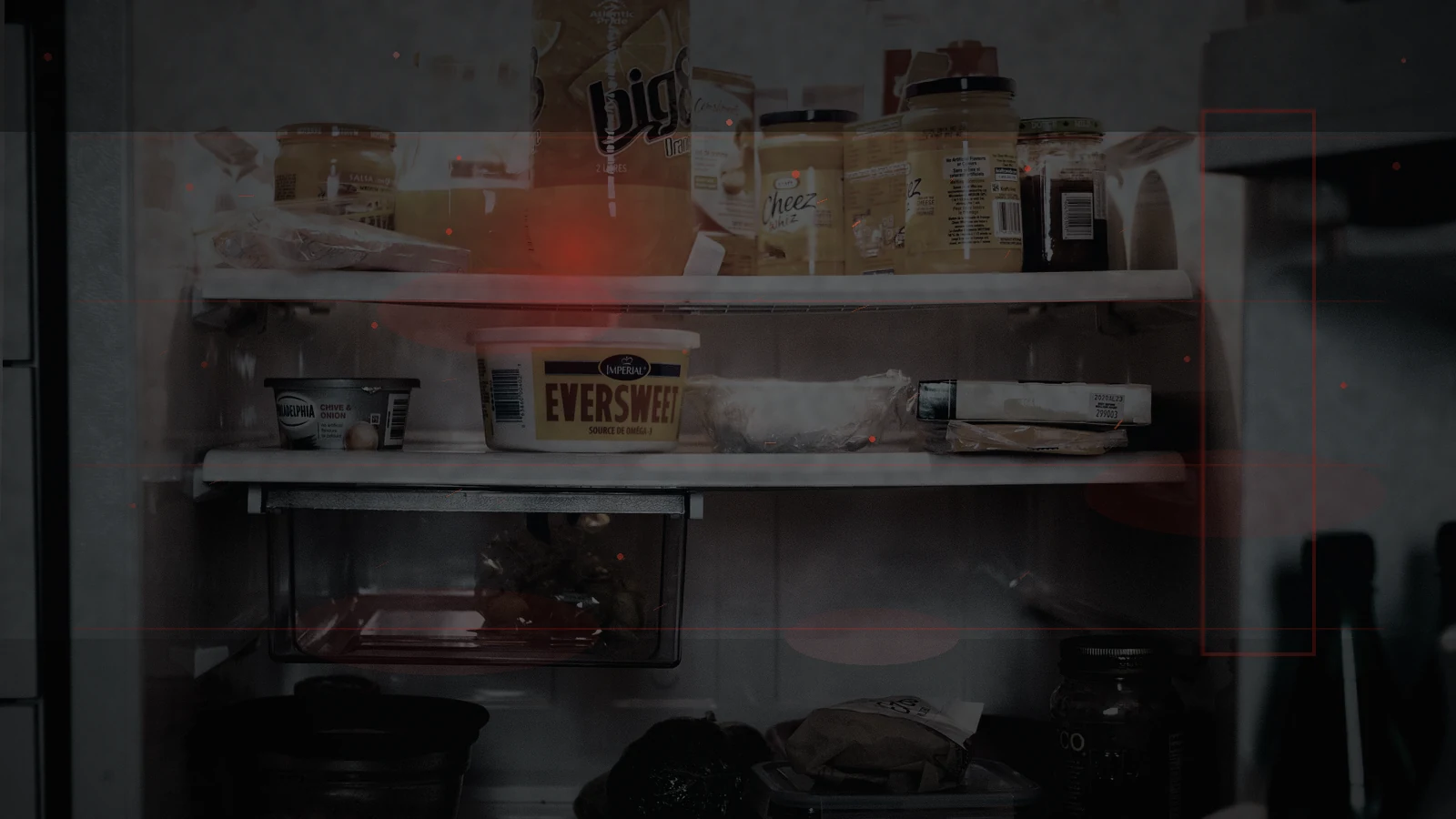
When the power fails, the cold already inside your fridge and freezer becomes stored energy. Every unnecessary door opening spends some of it. Your job is to preserve temperature, then make food decisions from evidence rather than smell or guesswork.
Keep both doors closed
The Food Standards Agency advises keeping fridge and freezer doors closed as much as possible. A fridge should generally stay cold for up to around four hours during a power cut. A full freezer may keep food frozen for around 48 hours and a half-full freezer around 24 hours, although appliance type and room temperature affect those estimates. Decide what you need before opening a door and take several items at once. Children should know the fridge is not a place to browse during an outage.
Use a thermometer if you have one
Under normal conditions the FSA recommends a fridge temperature of 5°C or below. During a power cut, chilled food can be stored at temperatures under 8°C. If the fridge reaches 8°C or above, official guidance says food that normally requires refrigeration should be eaten within four hours first. A simple fridge thermometer is therefore more useful than trying to judge safety by touching packaging. Record the outage start time so you have context for temperature readings.
Eat food in the right order
Do not immediately consume tins and dry food while perishable chilled food warms. If chilled food remains within safe limits, use the most vulnerable items first and save shelf-stable supplies for later. Frozen food that is still hard and icy may buy more time than fridge food. Follow current FSA advice for specific foods and discard items when you cannot establish that they remained safe. Food poisoning is particularly dangerous during a wider emergency when transport and medical services may be disrupted.
Cold outdoor weather can help — carefully
The FSA notes that when outdoor temperatures are below 8°C, some food may be stored outside in clean, dry conditions, protected from sunlight, animals, contamination and tampering, for example in a sealed container. This is not the same as putting food unsecured on a doorstep. Outdoor temperature can rise during the day, and direct sun can warm a container quickly. Use a thermometer and official advice rather than assuming winter air automatically equals refrigeration.
Backup power should be used intelligently
A refrigerator cycles on and off rather than drawing its rated power continuously, but motor start-up can create a surge. If you plan to run one from a power station or generator, confirm the backup source can handle both running and surge requirements. Avoid running a generator solely to keep one fridge cold if safer food-management options are available and fuel is limited. A freezer packed efficiently before an outage often preserves food longer than people expect.
When power returns, verify before celebrating
Check appliance temperature and food condition against current official guidance before assuming everything is safe. Power may have returned after food spent too long warm. Do not refreeze food simply because the freezer is working again if it has thawed beyond safe limits. Clean spills, reset thermometers and note which emergency foods were used so the household reserve can be replaced. The goal is to avoid both illness and unnecessary waste.
Think in temperature zones, not just time
The safest way to manage a fridge during a blackout is to preserve the cold already inside it. Keep the door shut, group cold items together and avoid repeatedly checking temperatures. A fridge thermometer gives you better information than guessing from how cold food feels. The freezer usually has more thermal mass, especially when it is full, so opening it unnecessarily wastes one of your best cold reserves.
If you know a long outage is likely, decide in advance which foods you will use first and which you will leave untouched. That prevents the whole household opening the fridge every time someone wants something to eat.
Use cool boxes strategically
A well-insulated cool box can protect a small group of high-priority foods if you have frozen packs or ice and can move the items safely before they warm too far. It is most useful for medication or a limited amount of food that genuinely needs cold storage, not for trying to duplicate the entire fridge.
Keep the cool box closed and place it in the coolest practical part of the home.
Recovery is a food-safety decision
When electricity returns, do not judge food only by smell or appearance. Check how warm the fridge became and how long it stayed that way, then follow current food-safety guidance. Some foods tolerate a short temperature rise better than others, while high-risk items may need discarding even if they look normal.
A small shelf-stable food reserve reduces the temptation to take risks with questionable refrigerated food simply because shops are closed or power is still unreliable.
Create a no-open shelf or box
Keep a few shelf-stable snacks, drinks and simple meals outside the fridge so the household can eat without opening cold storage every time someone is hungry. This small habit protects the temperature of more valuable perishable food.
During an extended outage, every unnecessary door opening shortens the useful cold window.
Use the freezer as thermal storage
If the freezer is partly empty during normal life, frozen water bottles or suitable ice packs can add thermal mass without taking over useful space. They can help the compartment stay cold longer and later support a cool box if needed.
Do not overfill or block normal airflow, and keep the arrangement within the appliance manufacturer’s guidance.
Decide before opening
Know what you are taking out before the door opens. Short, deliberate access preserves more cold than repeated browsing through the shelves.
Keep cold storage organised
Organisation shortens door-open time and helps the household use the most time-sensitive food first.
Continue from here
Build this topic into a wider plan, then see how the same dependency could fail in an AI-collapse scenario.
Evidence desk
Practical actions on this page are grounded in current UK emergency, food-safety and electrical-safety guidance. Any AI-driven nationwide failure chain is scenario analysis, not a claim that such an event is occurring or inevitable.
Practical guidance reviewed: August 2026 · In a real emergency, follow official local instructions and emergency services.