Power & Grid Survival • CATASTROPHIC SCENARIO
National Grid Collapse Scenario: What a Total Electricity Shutdown Could Mean
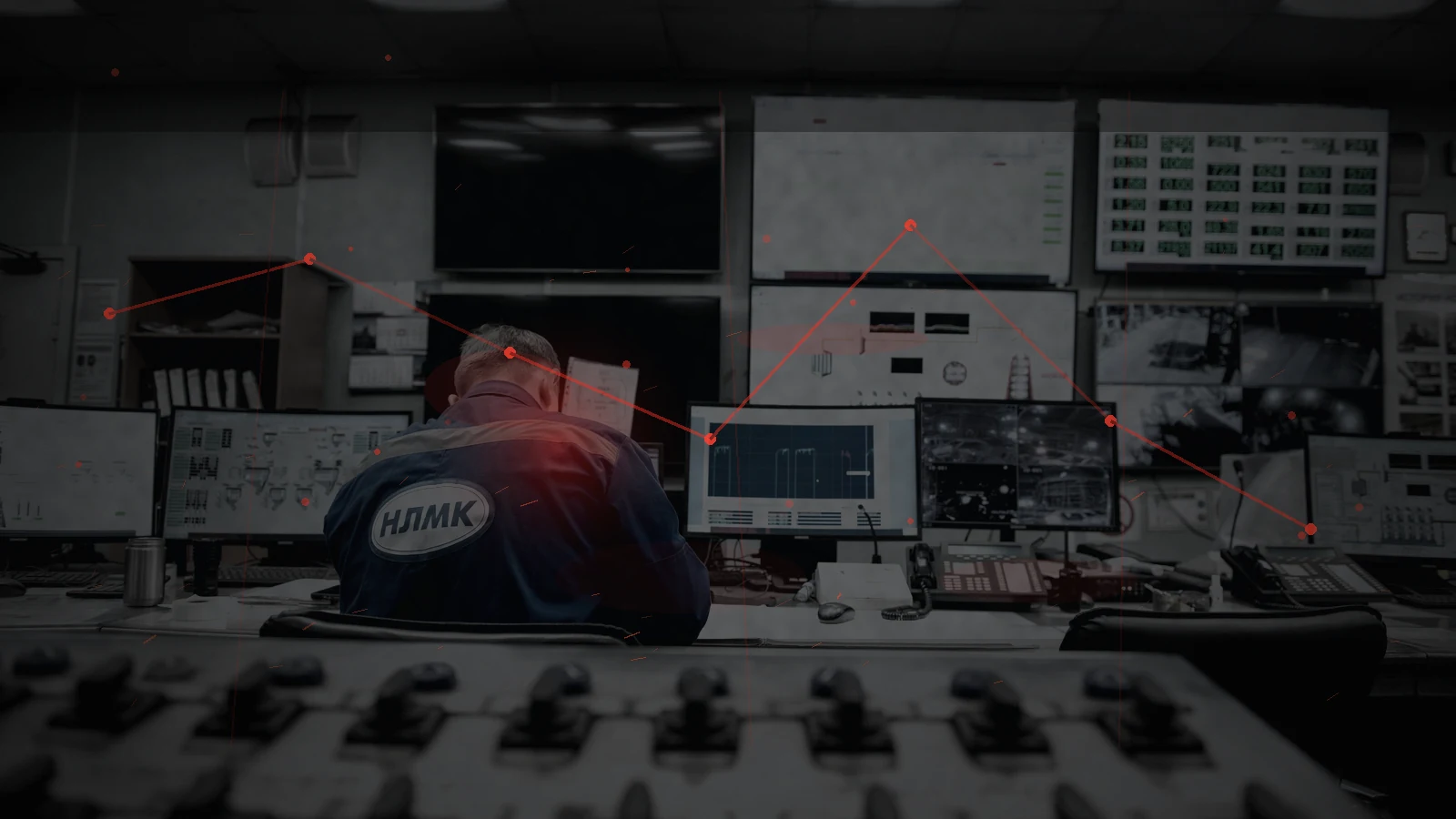
A nationwide grid collapse is one of the most dramatic infrastructure scenarios imaginable. In Britain it is also an event the system operator explicitly plans restoration services for. That does not make collapse likely; it means the consequences are serious enough that recovery cannot be improvised.
What “grid collapse” actually means
A normal local power cut is usually a distribution fault affecting part of the network. A total or partial shutdown of the national transmission system is different: large parts of generation, transmission and demand can no longer remain synchronised and supplied. NESO describes such an event as unlikely, but maintains restoration arrangements for it. For household planning, the important distinction is scale. A regional or national shutdown can overwhelm the assumptions that nearby shops, petrol stations, mobile networks and relatives will remain unaffected.
How restoration starts when the grid itself is down
NESO says restoration uses generators or other resources capable of starting without relying on an external electricity supply. These self-starting sources form local “power islands”. Their electricity can then help start additional generation, after which islands are progressively connected and demand is restored in stages. This is not the same as flipping one master switch. A complex network has to be rebuilt safely and in a controlled sequence, which is why restoration services, communications and regional plans exist.
What the first household cascade could look like
Immediately, lights, routers, electric cooking and many heating systems stop. Refrigeration begins warming. Card terminals, cash machines and fuel pumps may lose power. Mobile networks can continue temporarily where backup exists, then degrade. Some water systems and high-rise building pumps depend on electricity. Businesses switch to generators where available, consuming fuel. None of these consequences proves a grid collapse has occurred; they are dependency chains that become more significant as an outage grows in duration and geography.
An AI-driven collapse is a scenario, not a current forecast
For AI to cause a system-wide electricity collapse, it would need a pathway from software capability to real operational access, successful manipulation or cyber compromise, and failure of defensive and restoration controls. That chain should not be presented as inevitable. The value of the scenario is to stress-test household resilience against a long infrastructure outage regardless of cause. Severe weather, technical failure or other emergencies can produce some of the same household effects without any science-fiction takeover.
The correct household response is boring but powerful
Do not attempt to interact with electricity infrastructure or improvise electrical connections. Make the home safe, verify the scale of the outage, conserve batteries, keep cold appliances shut, count potable water and protect vulnerable people. Use official information when available. If the event is widespread, assume cashless payment, fuel retail, transport and communications may become less reliable over time. A 72-hour household plan creates breathing room while professional operators restore the system and authorities coordinate support.
Recovery may be uneven, so do not abandon discipline when lights return
Restoration can occur in stages. Some locations may regain supply before others, and equipment can restart after an extended outage. Turn dangerous appliances off during the cut and follow network instructions when power returns. Recharge batteries and restore essential loads before returning to normal consumption. Recheck food safety and water notices. If supply becomes intermittent, preserve reserves rather than assuming the emergency is over. The strongest preparedness plan is useful for any prolonged outage and does not depend on predicting whether the cause was AI, weather or equipment failure.
A grid restart is a sequencing problem
When large parts of the electricity system are down, operators cannot simply switch every customer back on at once. Generation, transmission and demand have to be brought back into balance in stages. Some areas may regain supply earlier than others, and restored power can be limited or interrupted while the wider network stabilises.
That means households should treat the first return of electricity as a restoration window. Charge essential devices, check official information and avoid assuming every service is permanently back.
Other systems follow electricity on different timelines
Mobile networks, water pumping, payment systems, fuel stations and shops may not recover at the same speed as domestic power. Backup supplies may have run low, staff may not be able to travel and computer systems may need separate checks before reopening.
This is why a grid failure can feel larger than an electrical problem. The cascade comes from dependencies, and recovery can remain uneven long after lights first return.
Household discipline reduces pressure on recovery
A home with safe lighting, basic water, simple food and communications backup has less reason to travel, queue or overload returning services. That modest independence gives utilities and public services time to restore systems in an orderly way.
The point is not self-sufficiency. It is avoiding unnecessary demand during the narrow period when the grid and everything attached to it are trying to restart.
Regional recovery can create false confidence
Seeing lights return in another town or hearing that one major city has power again does not mean your local network is stable. Grid restoration is geographically uneven and can depend on separate substations, generation and repair work.
Base household decisions on local utility information and direct conditions rather than assuming national headlines describe your street.
Recovery can fail forward and then recover again
Large restoration efforts may involve temporary setbacks. A line can be re-energised, a new fault discovered and supply interrupted again while operators isolate the problem. Households should expect some instability rather than treating every second outage as evidence that recovery has failed completely.
Keep the emergency routine active until local supply has been stable long enough to trust.
Local information outranks distant recovery news
Your household decisions should follow the condition of your own supply, water, communications and official local guidance rather than the most dramatic national update.
Stay ready through early recovery
Keep essential reserves intact until local electricity and dependent services have become reliably stable.
Continue from here
Build this topic into a wider plan, then see how the same dependency could fail in an AI-collapse scenario.
Evidence desk
Practical actions on this page use current UK power-cut and emergency guidance. A nationwide AI-driven grid failure is scenario analysis, not a claim that such an event is happening or inevitable.
Practical guidance reviewed: August 2026 · In a real emergency, follow official local instructions and emergency services.