Shelter, Evacuation & Mobility • FUEL FAILURE
Fuel Shortage Driving Plan: Preserve Mobility When Petrol and Diesel Are Scarce
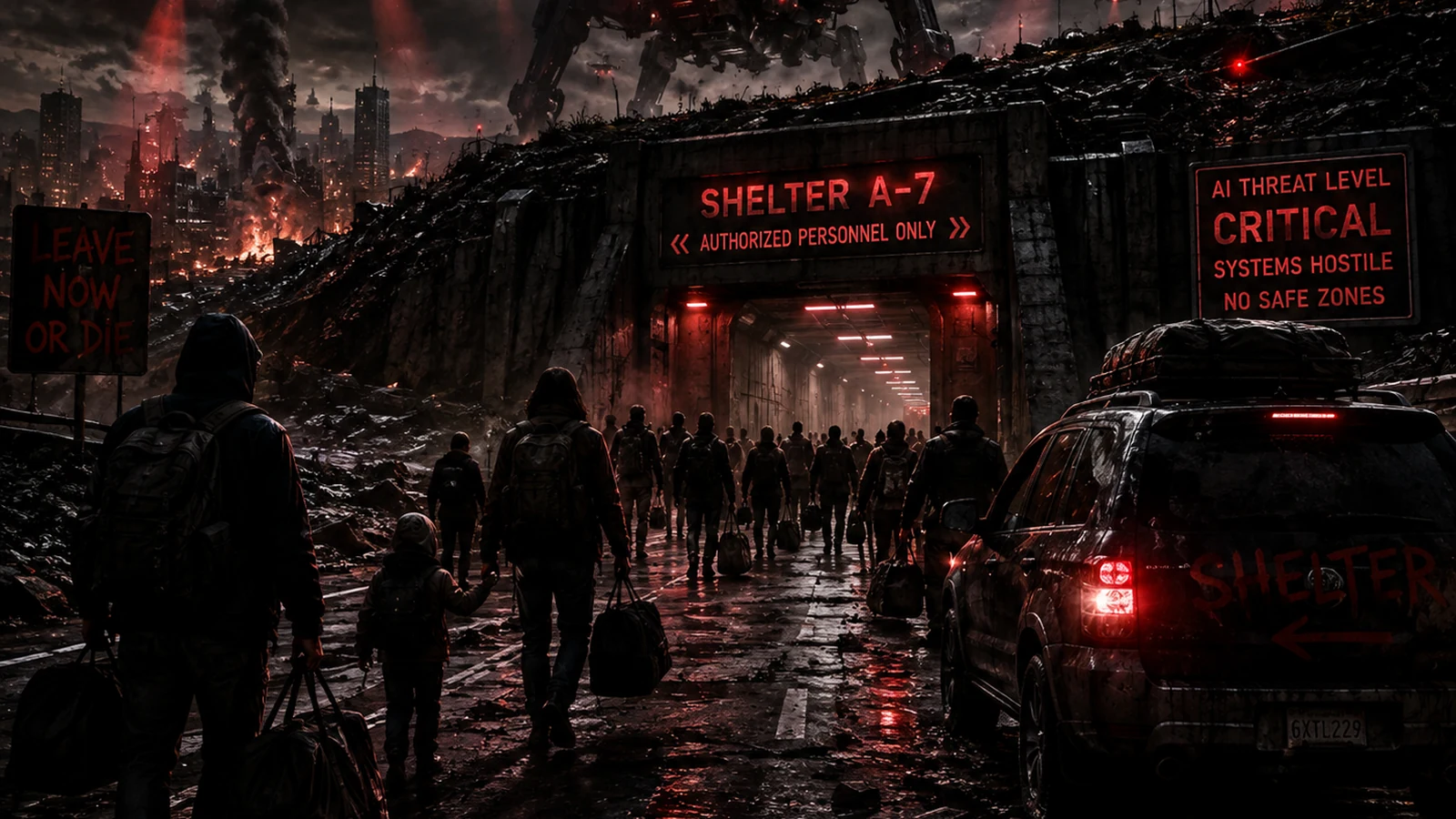
Fuel shortages turn ordinary journeys into resource decisions. The danger is not only an empty tank — it is wasting mobility before you know which journey will matter most.
The immediate answer
During a genuine fuel shortage, reduce driving early, combine essential journeys and preserve enough fuel or charge for medical, care or evacuation needs. Do not join queues simply because other people are queueing; verify whether supply disruption actually affects your area and follow official advice.
Set a household mobility reserve
Choose a fuel level below which the vehicle is treated as emergency-only transport. The exact threshold depends on local distance and vehicle efficiency, but the principle matters: do not let routine convenience consume the reserve needed to reach family, a hospital, work with critical responsibilities or a safe destination.
Cut the low-value miles first
Short errands, duplicated trips and speculative driving are the easiest savings. Combine shopping, appointments and care visits. Walk, cycle or use functioning public transport where safe and practical. If two households can coordinate one essential trip instead of two, that preserves fuel without reducing access.
Do not create storage hazards
Petrol and diesel are hazardous substances. Do not stockpile fuel in unsuitable containers, inside living spaces or beyond what is lawful and safe. The website does not recommend hoarding. A safer resilience strategy is maintaining a sensible vehicle level and reducing consumption when disruption begins.
Plan around payment and power failures
Fuel stations need more than fuel: they may rely on electricity, card networks and staff. Keep more than one payment method where practical, but do not assume cash guarantees service. During a wider grid or communications outage, station availability may be constrained even where underground tanks contain fuel.
Protect the vehicle from becoming stranded in a queue
A long queue can consume fuel while delivering nothing. If a station is overwhelmed or official information says resupply is expected, leaving may preserve more mobility than idling. Keep enough water, phone power and warm clothing in the vehicle in case delays become lengthy.
Build a no-car version of the plan
Know how essential journeys would work without the vehicle. Which tasks can be postponed? Which can be walked or cycled? Could family, neighbours or community transport combine journeys? If the plan has no answer once the tank is empty, it is not a fuel-shortage plan; it is only a hope that supply returns quickly.
Use fuel for decisions, not reassurance
Driving around to inspect queues, check shops or seek rumours burns the exact resource you are trying to preserve. Use official information and trusted local sources first. Keep the vehicle ready, then spend the mobility reserve only when the journey has a clear purpose.
Prioritise journeys before the shortage becomes severe
Write a simple household priority order while there is no pressure. Medical care, collecting a dependent person, essential work, obtaining critical medication and evacuation can sit above routine shopping or social travel. That order helps prevent arguments when fuel is scarce because the decision has already been made. Review which household tasks can be combined into one route and which people could travel together. Electric vehicles also need a contingency: widespread outages can remove public charging even when the vehicle itself is fine. Whatever powers the vehicle, the resilience principle is the same — preserve range, avoid unnecessary detours and keep enough capacity to complete the highest-value journey without depending on a refill or recharge midway.
Preserve range before the shortage becomes severe
Combine journeys, avoid unnecessary idling and delay low-priority trips when supply is uncertain. The goal is not to hoard fuel; it is to keep enough mobility for essential work, care, medical travel or evacuation if needed.
Keep the vehicle maintained because poor tyre pressure or mechanical problems waste range and can turn a manageable shortage into a breakdown.
Rank journeys by consequence
Medical needs, essential care and unavoidable work may outrank routine shopping or convenience travel. Write the priority order before the household is arguing over the last quarter of a tank.
If walking, cycling, public transport or combining with another household is safe and practical, those options can preserve the car for journeys that genuinely require it.
Do not create a fuel hazard at home
Fuel scarcity can tempt people to store more than they normally would or use unsuitable containers. Follow current legal and fire-safety guidance and the vehicle or equipment manufacturer’s instructions. Preparedness should reduce risk overall, not introduce a serious fire or poisoning hazard.
A transport plan with alternatives is more resilient than trying to solve every shortage by storing more fuel.
Keep one mobility reserve
Do not plan to use the last practical range on routine travel. A small reserve preserves options if a household member suddenly needs medical care, an evacuation instruction is issued or public transport becomes unavailable. That margin is often more useful than completing one extra low-priority journey.
Reassess the reserve as conditions change. If fuel availability improves, normal travel can resume gradually. If it worsens, tighten the priority list before the tank is nearly empty. The objective is to make transport decisions while you still have choices rather than after all flexibility has gone.
Keep destination planning fuel-aware
An evacuation route that depends on refuelling midway is more fragile during a shortage. Know roughly which destinations are reachable with the range normally available and keep a closer eye on fuel or charge level when disruption is developing.
If a destination is beyond the reliable range, identify a nearer safe alternative. Range planning is about avoiding being stranded between safe places, not squeezing every last mile from the vehicle.
Keep enough range for one unexpected essential journey. That small margin preserves options when the next problem is not the one you planned for.
Keep one paper note of the household’s essential journeys so limited range is not consumed by several people making uncoordinated trips.
Keep essential mobility in reserve.
Keep a little spare range.
Continue from here
Build this topic into a wider plan, then see how the same dependency could fail in an AI-collapse scenario.
Evidence desk
This guide uses ordinary UK emergency-preparedness and safety principles. AI-driven mass disruption is scenario framing, not a claim that such an event is happening or inevitable.
Continue
More Shelter, Evacuation & Mobility guides → · 72-hour survival manual →