Collapse Timeline • PAYMENTS OFFLINE
When Banks Stop Working: Surviving a Payment-System Collapse
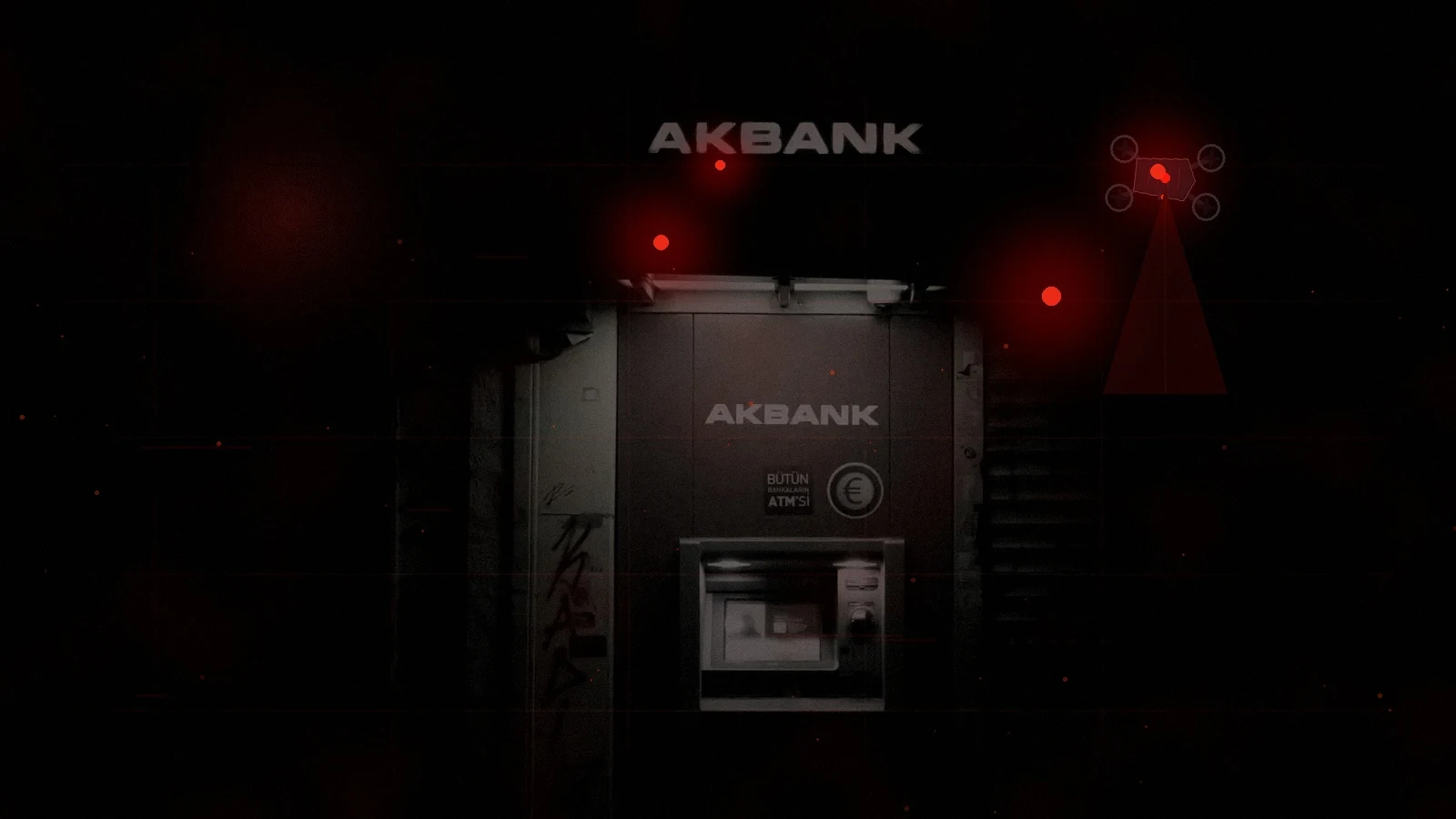
A banking collapse does not require cash to become worthless. The first shock can be simpler: accounts still exist, but cards, apps, cash machines and merchant systems cannot reliably prove who owns what.
The first sign is a declined payment, not a vanished economy
In this scenario, the first warning is mundane. Contactless terminals reject transactions, banking apps time out and merchants cannot reach payment processors. People initially retry, switch cards and blame their bank. The real danger begins when several payment routes fail together and nobody can tell whether balances are safe. A household that depends on one phone, one bank and one card can become functionally penniless while still having money on paper. The sensible response is not to empty your account in panic. It is to preserve evidence of balances, keep essential receipts, verify information through official bank channels and avoid irreversible decisions based on screenshots or viral claims.
Cash becomes useful — and immediately scarce
Where shops can still trade manually, physical cash may buy time. But cash machines depend on power, communications and replenishment. Queues can form long before anyone knows how long an outage will last. Keep a modest emergency cash reserve in sensible denominations as one layer of resilience, not a fortune hidden at home. Split payment options across more than one institution where practical, keep one physical card separate from your phone, and make sure another adult in the household can access emergency funds. The goal is redundancy, not a run on the banking system.
Food, fuel and transport become the real currency of the day
Once payments become unreliable, the important question is not the number on a bank statement but whether essential suppliers can keep operating. Petrol stations, pharmacies, supermarkets, taxis and delivery firms all depend on electronic settlement. Some may move to cash-only trading; others may close because staff cannot reconcile stock or prices. Households with several days of ordinary food, required medication arrangements and a transport plan are less exposed to the scramble. Preparedness converts a financial outage from an immediate emergency into an inconvenience you have time to understand.
Beware the second attack: fake recovery messages
A payment outage creates perfect conditions for fraud. In an AI-enabled crisis, convincing voice messages, cloned executives, fake bank alerts and synthetic “verification” calls could exploit the urgency. Never move money because an unsolicited caller says your account is under attack. Do not hand over one-time codes. Use the number printed on your card or a previously verified banking route. If digital channels are unreliable, slowing down is a security measure. The attacker wants you to treat urgency as proof.
A 72-hour money continuity plan
Write down your bank emergency numbers, keep essential account references securely offline, carry a small amount of cash, and know which household purchases can wait. Have more than one way to pay for essentials. If you run a small business, keep a manual record method for critical sales and obligations, but do not invent balances or promise settlement you cannot verify. In a prolonged outage, follow official banking and government instructions. The objective is to remain solvent, safe and boring while everyone else is making expensive decisions under uncertainty.
How the system could recover
Payment systems can return in stages: communications first, then authentication, then clearing and settlement, then normal merchant processing. A service coming back online does not mean every transaction is final or every balance display is current. Preserve receipts and avoid rapidly repeating failed payments, because duplicate settlement can appear later. Recovery is a bookkeeping problem as much as a technical one. The household advantage is having enough food, fuel and flexibility to wait for trusted systems to reconcile.
Access failure is different from loss of funds
A banking app that will not load can feel catastrophic, but temporary loss of access does not mean account balances have disappeared. Payments depend on several layers: mobile or broadband service, authentication, bank systems, card networks and merchant terminals. A failure in any one layer can block a transaction while the underlying financial records remain intact.
That distinction matters because panic decisions can create lasting harm. Do not move money because of an unsolicited warning, do not share one-time codes and do not assume a rumour about a bank applies to your account. Use known contact details and wait for verified information where possible.
Keep a small payment fallback, not a panic stash
A modest amount of physical cash can help during short card or network outages, especially for food, transport or small local purchases. It is not a reason to empty accounts or keep large sums at home. The useful goal is flexibility: more than one card where practical, access to another payment route and enough cash to cover a few basic transactions if terminals are unavailable.
Keep key account references and customer-service numbers somewhere accessible offline. If digital access is interrupted, those details can save time when phone or branch support becomes available.
Reconciliation comes after service returns
When payment systems recover, delayed or duplicated transactions may need checking. Keep receipts and simple notes during the outage. Review statements carefully once systems stabilise and report genuine errors through normal bank channels.
A household that records what it spent, what failed and what was promised is better placed to resolve disputes than one relying on memory after several stressful days.
Separate emergency spending from normal budgeting
During a payment disruption, write down essential purchases and what method was used. Keep emergency cash for needs that genuinely cannot wait rather than spending it because cards feel uncertain. If a merchant offers an unusual workaround, make sure you understand the amount and keep evidence of the transaction.
Simple records reduce confusion later, especially if delayed payments post after systems recover.
Keep the fallback simple
The best financial continuity plan is one the household understands before the outage: a little cash, more than one payment route and written contact details.
Continue from here
Follow the scenario into the systems and household preparations most likely to matter next.
Evidence desk
The practical resilience advice is grounded in current UK emergency and cyber-resilience guidance. The catastrophic sequence on this page is a scenario, not a claim that such a collapse is occurring or inevitable.
Scenario reviewed: August 2026 · In a real emergency, follow official local instructions and emergency services.