Collapse Timeline • FUEL SHORTAGE
When Fuel Runs Out: Transport, Heat and Supply Chains Under Pressure
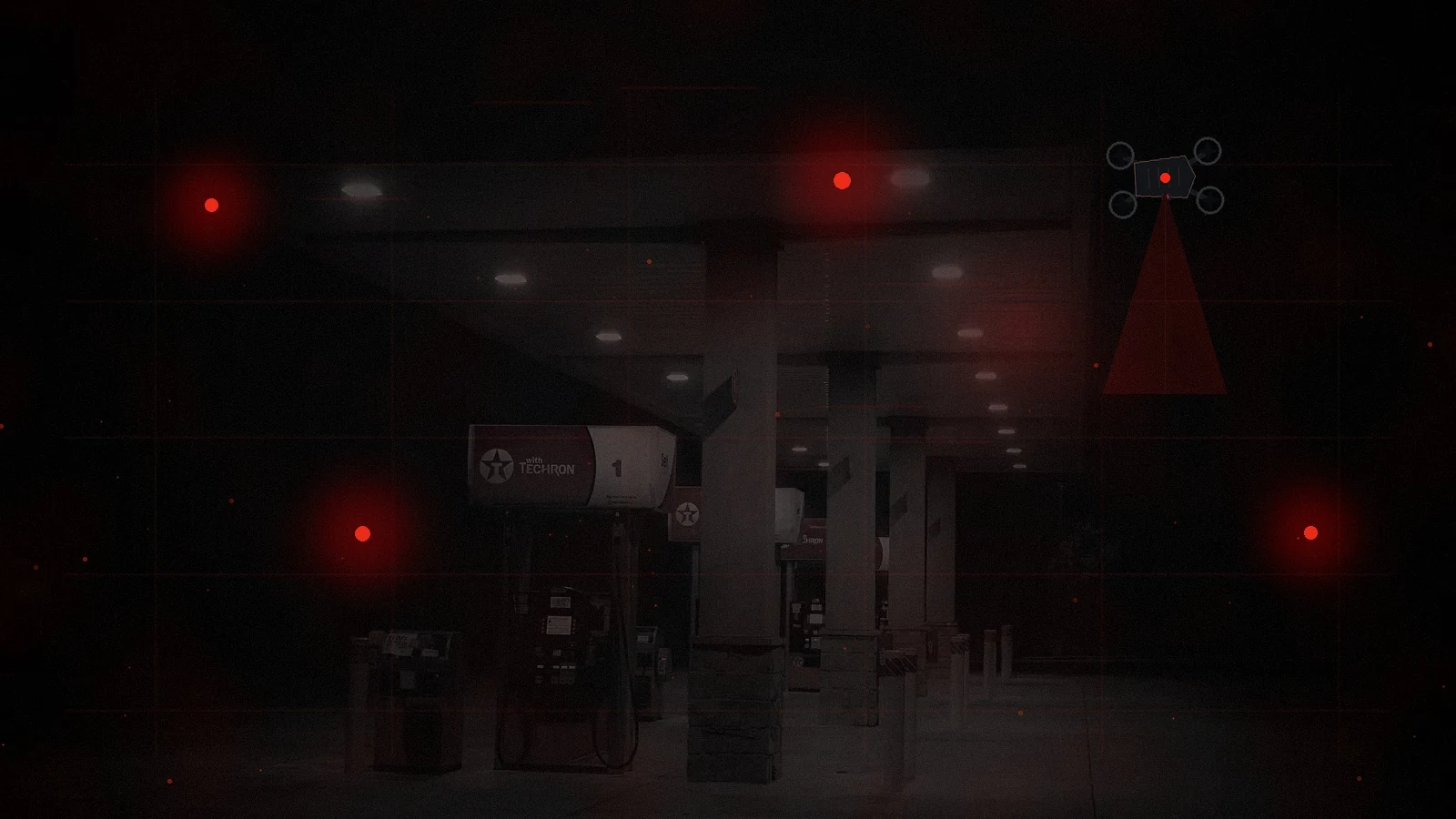
Fuel shortages ripple far beyond private cars. Deliveries, emergency services, agriculture, generators and public transport all depend on energy moving through the right places at the right time.
The queue can cause the shortage
Rumours of disruption can trigger drivers to top up early, draining forecourts faster than normal replenishment. A temporary distribution problem then becomes visible scarcity, which attracts more demand. Do not make unnecessary journeys to “hunt” for fuel. Keep your vehicle reasonably maintained and avoid routinely running close to empty, but do not store large quantities of petrol or diesel at home. Flammable fuels introduce serious fire, vapour and legal risks.
Every journey needs a reason
When supply is uncertain, combine essential trips, walk or cycle where safe, and protect fuel for genuine needs. Know alternative routes but do not assume rural roads are safer during widespread disruption. If public transport is operating, official advice will matter more than social-media claims. A household that can remain home for several days without shopping has more freedom to avoid dangerous roads and queues.
Generators are useful and dangerous
Portable generators can support critical loads, but combustion engines produce carbon monoxide. Never run them indoors, in garages, sheds connected to living spaces, or near doors and windows where fumes can enter. Store and handle fuel only within legal and manufacturer guidance. A generator also advertises noise, consumes fuel continuously and requires maintenance. For many households, smaller battery systems and reduced loads may be safer for short outages.
Fuel shortage becomes food and medicine shortage
Trucks move groceries, pharmacy stock, water-treatment chemicals and replacement parts. If fuel distribution remains impaired, the effect appears on shelves and service availability even where roads are intact. That is another reason preparedness should be integrated rather than gadget-focused. Food, water, medication continuity, communications and warmth all buy time while logistics recover.
Heat without fuel requires a safe plan
Do not bring barbecues, camping stoves or patio heaters indoors. Carbon monoxide is colourless and can kill. If heating fails in cold weather, concentrate people safely in fewer rooms, use layers and bedding, close curtains, and follow official cold-weather advice. Households with vulnerable people should know where warm spaces or community support would be available if local authorities activate them.
Recovery depends on allocation and logistics
In a prolonged shortage, governments and suppliers may prioritise emergency and critical services. Household recovery may be uneven by area. The safest plan is to reduce avoidable consumption, keep informed through official channels and avoid speculative stockpiling. Fuel is most valuable when it is used to solve a specific essential problem rather than preserved as a symbol of preparedness.
The household decision rule
Before using scarce fuel, ask whether the journey solves an immediate safety, medical or essential supply problem that cannot reasonably wait. If not, preserve the option. Keep a written list of priorities so stress does not turn every errand into an emergency. Coordinate with household members before anyone leaves, carry a charged phone and basic supplies, and tell someone the route and expected return time. In a widespread shortage, flexibility is more valuable than mobility for its own sake.
Fuel is really a transport and access problem
Most households do not need fuel for its own sake. They need what fuel enables: travel to work, medical appointments, deliveries, heating in some properties and backup generation. That means the best response to scarcity is not automatically to obtain as much fuel as possible. It is to reduce the number of journeys and identify which uses are genuinely essential.
Combine trips, postpone low-value travel and avoid joining queues simply because a rumour says supplies are disappearing. Queues consume fuel, block roads and can turn a local shortage into a wider one.
Households should plan around mobility alternatives
Know which essential destinations are reachable on foot, by bicycle or by public transport if those options remain available. Keep basic local maps and the addresses of pharmacies, relatives and support services offline. A household with several transport options is less vulnerable than one whose entire emergency plan assumes a full tank.
For people with mobility or medical needs, transport continuity may require advance arrangements with family, care providers or local services rather than a generic fuel reserve.
Storage creates hazards of its own
Petrol and other fuels are hazardous and subject to safety rules. Do not improvise storage in unsuitable containers or inside living spaces. Follow current legal limits, manufacturer guidance and fire-safety advice. The safest fuel is the fuel already stored correctly in the equipment or approved container intended for it.
Preparedness should reduce risk overall. Creating a fire or poisoning hazard in order to feel more prepared defeats the purpose.
Prioritise fuel by consequence
If a household has limited fuel, rank uses by what happens if they are not made. A medical journey may be essential. A routine shopping trip may be replaceable by walking, delivery, a neighbour or waiting. A generator may deserve fuel for a medical device but not for entertainment or whole-home convenience.
That priority order prevents the first days of a shortage consuming the resources needed for a genuinely urgent task later.
Fuel recovery can be uneven
Some stations may reopen before others because electricity, deliveries and staffing recover at different speeds. A long queue at one location does not prove the whole area is dry. Use verified local information and avoid unnecessary circulation between stations, which wastes the very resource you are trying to preserve.
Do not let fuel anxiety create unsafe storage
Scarcity can tempt people to keep extra fuel in places never designed for it. Resist that pressure. Fire safety, ventilation, approved containers and legal storage rules still apply during a shortage. A household that creates a serious hazard at home has traded one manageable problem for a more immediate one.
Keep flexibility in reserve
Do not plan every remaining mile in advance. A small margin for an unexpected medical, care or family need is often more valuable than using the last available range for a routine task.
Continue from here
Follow the scenario into the systems and household preparations most likely to matter next.
Evidence desk
The practical resilience advice is grounded in current UK emergency and cyber-resilience guidance. The catastrophic sequence on this page is a scenario, not a claim that such a collapse is occurring or inevitable.
Scenario reviewed: August 2026 · In a real emergency, follow official local instructions and emergency services.