MONEY UNDER ATTACK
Protect Your Bank Account From AI Scams: A Defensive Checklist for 2026
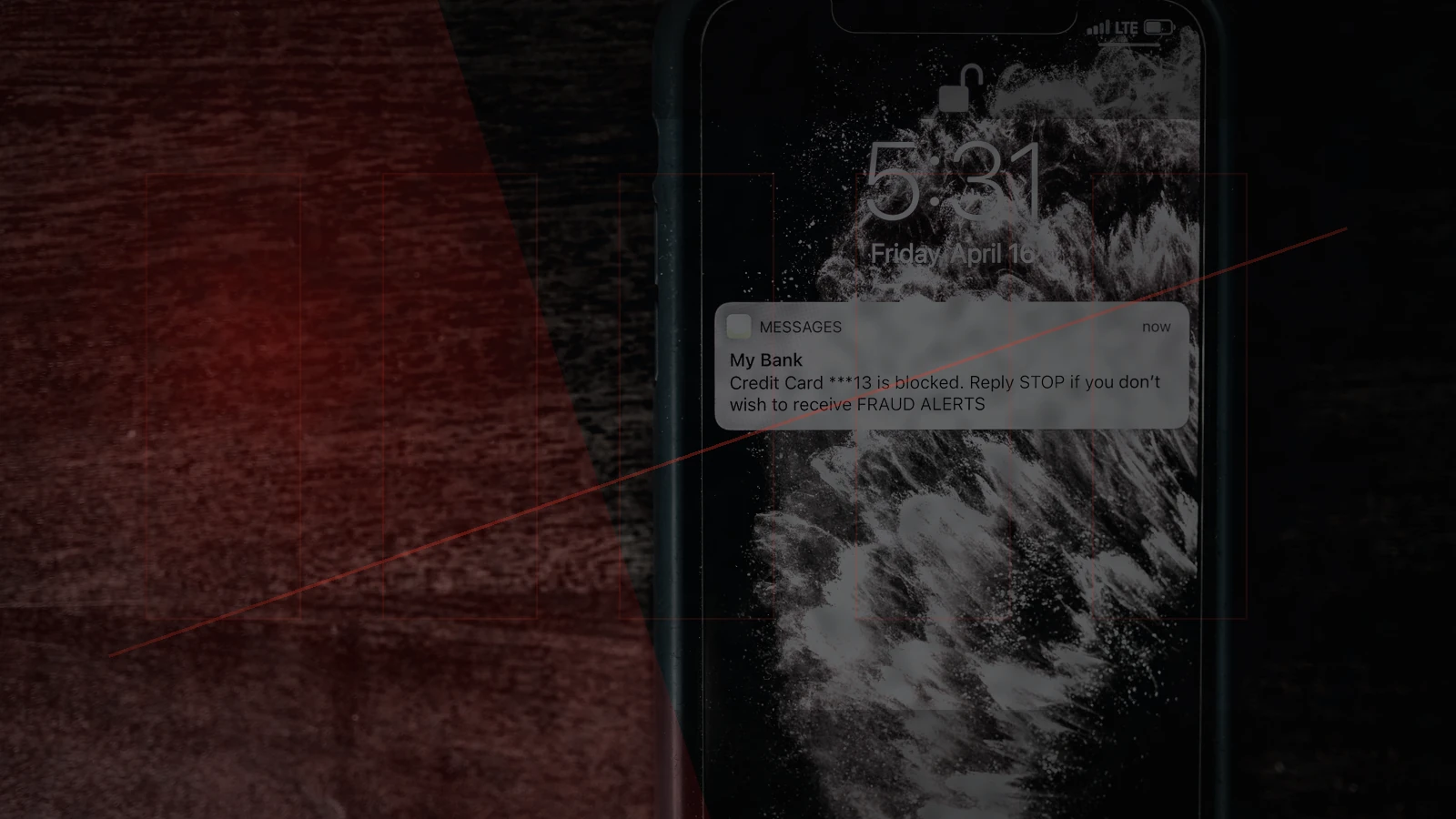
AI can make impersonation, phishing and social engineering more convincing, but the transaction still has to cross a human or technical control. Protecting your bank account means making that final step difficult to manipulate, even when the message, caller or video looks authentic.
This guide is about verification, protection, continuity and recovery. It does not provide instructions for committing fraud or cyber intrusion.
The immediate answer
Never move money to a “safe account”, reveal full security credentials, or approve an unexpected payment because someone contacts you urgently. Stop, contact the bank through its official app or a number you already trust, and independently verify any request to change payment details.
Treat payment changes as high-risk events
New bank details, urgent invoices, unusual beneficiaries and requests to bypass normal approval should trigger extra checks. For households, that may mean calling the family member or company on a known number. For small businesses, use a second-person approval for changes to supplier details or large transfers. AI can improve the wording and realism of a scam, but it cannot remove the need for the payment to be authorised. Put friction at that point deliberately.
Protect the email account that controls your banking recovery
A compromised email address can give an attacker insight into invoices, travel, relationships and password resets. Secure primary email with a unique credential and strong authentication such as a passkey where supported. Review forwarding rules and active sessions if anything looks suspicious. Do not reuse the same password across email and financial services. The objective is to stop a single credential theft from becoming a pathway into several accounts at once.
Do not trust caller ID, logos or perfect language
Phone numbers can be spoofed, websites can be cloned and AI-generated messages can be grammatically flawless. Treat appearance as presentation, not authentication. If a caller claims to be from your bank, end the call and use the official app or a number from the back of the card. If an email says your account is at risk, do not sign in through its link. Open the bank app independently and check notifications there.
Use banking controls that reduce irreversible mistakes
Review payment notifications, transaction limits and beneficiary controls available from your bank. Keep contact details current so genuine alerts reach you. Where practical, separate the account used for everyday payments from larger savings so one compromised card or transfer flow does not expose everything. These are not guarantees, but they reduce the size of the loss a successful social-engineering attempt can create.
If money has moved, speed matters
Contact the bank immediately using an independently verified route and explain that you believe the payment was fraudulent. Follow the bank’s instructions and preserve relevant messages, call details and account information. Report the fraud through the appropriate UK route. Do not pay a second person who claims they can recover the money for a fee without verification; recovery scams often target people who have already been victimised.
Make the rule household-wide
A household is only as resilient as the person most likely to be targeted under pressure. Agree that nobody sends emergency money from one unexpected message or call, regardless of how convincing it is. Create a family callback rule and make sure older relatives know that banks and police do not ask customers to transfer money to a “safe” account. A shared rule removes the shame and hesitation that scammers exploit.
Protect the bank’s recovery route
Strong authentication helps, but attackers may also target the email address or phone number used to recover the bank account. Secure those accounts, keep their recovery information current and review unexpected password-reset or login notifications promptly.
If the bank offers transaction alerts, they can shorten the time between suspicious activity and discovery.
Use the known-number rule
If somebody contacts you claiming to be from the bank, end the interaction and contact the bank through the number in the official app, on the card or on the bank’s genuine website. Do not rely on caller ID, because displayed numbers can be misleading.
A legitimate organisation can tolerate you taking time to verify. Pressure to remain on the line is a reason to be more cautious.
Never hand over an authentication code
One-time codes and approval prompts exist to prove that you are authorising an action. Treat an unexpected request for one as a security warning rather than a customer-service step.
If a code arrives when you were not logging in, review the account through the official service and contact the bank if anything looks wrong.
Review payees and payment limits
If the bank provides controls for new payees, spending limits or transaction notifications, understand how they work before there is a scam. These controls can add friction to unusual transfers without preventing normal access.
Do not raise limits simply because a caller says the payment is urgent. Verify the request through the bank’s official channel first.
Keep banking devices clean and current
Use supported operating systems, install updates and avoid carrying out sensitive banking on devices you believe may be compromised. If something looks wrong, use another trusted device or contact the bank directly for recovery guidance.
The safest response to uncertainty is to preserve the account while you verify, not to follow instructions from the person who created the urgency.
Keep transaction alerts meaningful
Too many notifications become noise. Enable the alerts that would genuinely help you notice unusual payments, new payees or sign-ins quickly.
Slow down unusual payments
Large or unexpected transfers deserve a deliberate pause even when the request seems to come from somebody familiar. Confirm the recipient, amount and reason through a known independent route. The extra minute is valuable precisely because synthetic voice, text and video can make urgency look legitimate.
The safest financial habit is to make verification automatic whenever a request is unusual, urgent or irreversible.
Continue from here
Build this topic into a wider plan, then see how the same dependency could fail in an AI-collapse scenario.
Evidence desk
These guides use current UK cyber and fraud-prevention guidance. AI-enabled voice cloning and deepfakes are treated as real fraud techniques, while any wider collapse consequences are labelled as scenario analysis.
OFFLINE FALLBACK
If identity, payments and communications fail together, paper and offline systems matter.
The 72-hour field manual covers power, communications, money, food, water and the practical information your household needs when digital systems stop cooperating.
Continue
More Cyber & Digital Resilience guides → · Communications survival →