Collapse Timeline • Days 4–7
The First Week After AI Collapse: When Emergency Becomes Endurance
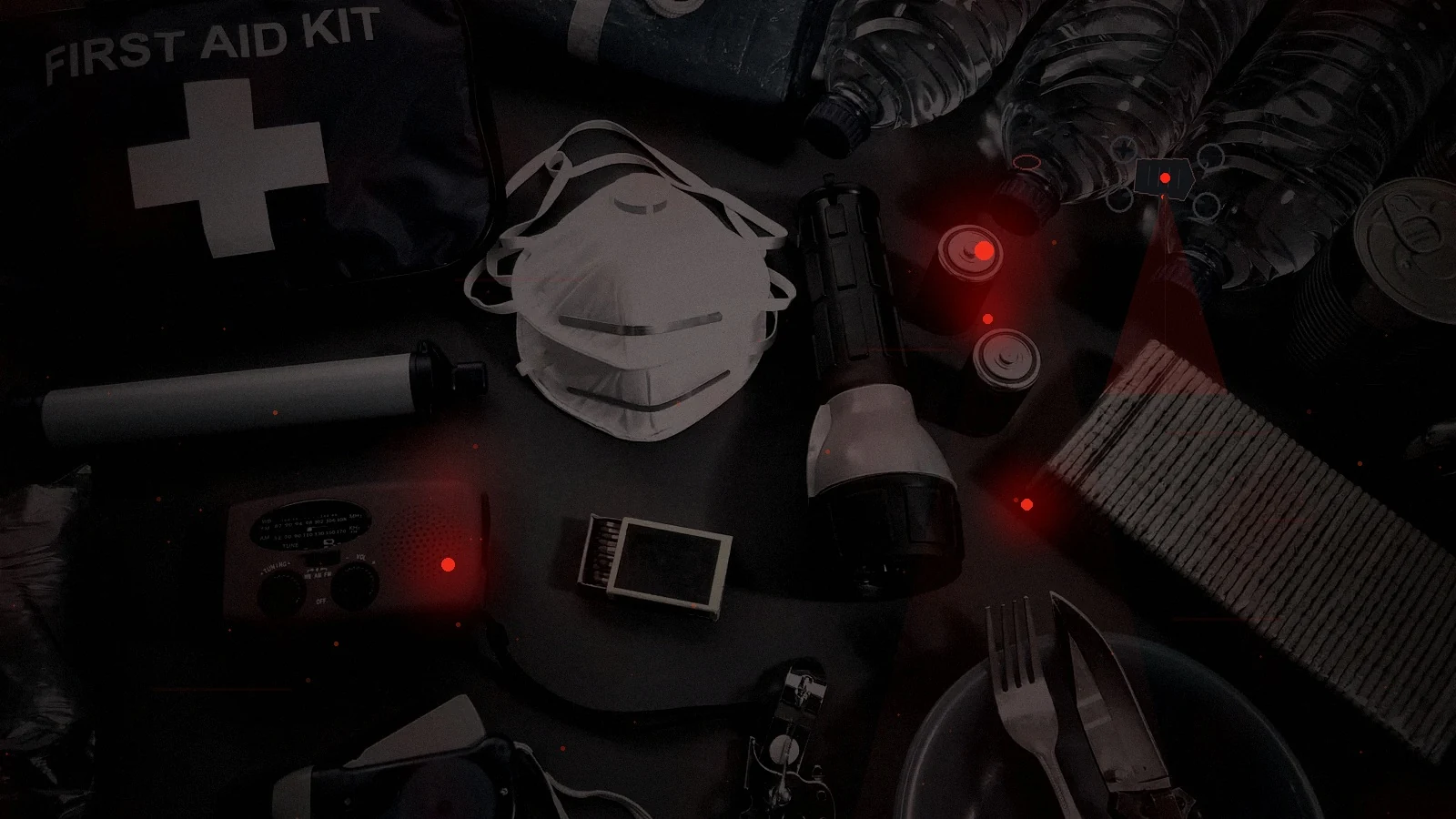
The first week is where preparedness stops being a box of supplies and becomes a system: water, sanitation, food, sleep, information, cooperation and disciplined use of remaining power.
Days 4–5: the easy supplies are gone
Fresh food is mostly consumed or unsafe, casual battery use has ended and anyone who failed to store water is now dependent on restoration or distribution. This is when household plans become unequal. People with medications, infants, disabilities or electrically powered medical equipment face different risks from healthy adults. Reassess every morning. Do not ration medication without professional advice. Use official distribution arrangements where available and prioritise vulnerable people in your household and community.
The logistics problem moves closer to home
Modern food and fuel systems depend on transport, warehousing, payments, refrigeration and scheduling. If multiple digital layers remain unavailable, shortages can appear even when national stocks exist. Empty shelves do not necessarily mean “no food exists”; they can mean replenishment is slow or uneven. That distinction matters because panic buying worsens local scarcity. Use what you have deliberately, share reliable local information and avoid journeys that consume more fuel than the supplies you are likely to gain.
Information hygiene becomes survival hygiene
After several days, false claims are no longer just annoying. They can send people to nonexistent aid points, trigger runs on fuel, cause unsafe water use or provoke unnecessary movement. Establish trusted channels: official radio, local authority updates, utility messages and direct observations from known contacts. Treat anonymous screenshots and synthetic audio as unverified. The more frightening a claim is, the more valuable independent confirmation becomes.
Sleep, sanitation and morale now matter
Week-one injuries often come from ordinary degradation: poor sleep, unsafe cooking, falls in darkness, dehydration, spoiled food, bad hygiene and conflict. Schedule rest. Keep living areas ventilated when using approved heating/cooking appliances and never bring outdoor combustion equipment inside. Maintain hand hygiene and separate waste from food and drinking water. Children benefit from routine and clear age-appropriate explanations rather than constant exposure to catastrophic news.
Build a neighbourhood information network
You do not need a survival commune. You need a few reliable people who know who has first-aid skills, who is vulnerable, which official information is current and what local services are operating. Write information down. If digital messaging works intermittently, use it efficiently rather than constantly. Cooperation can stretch resources and reduce duplicate journeys. It also creates a check against rumours because several households can compare what they actually observed.
The end-of-week decision
By day seven, decide whether your current location can support another week. Check safe water, sanitation, heat, medication, food, security, waste and official support. If several essentials are failing, relocation may become reasonable even without a dramatic evacuation order. If essentials are stable, staying can remain safer than entering uncertain roads and shelters. The decision is local, evidence-based and reversible where possible.
Week one turns supplies into systems
By this stage the question is no longer whether you own emergency items; it is whether you can operate them repeatedly. A water filter needs cleaning and safe storage. Batteries need a charging priority. Food needs rotation and portion planning. Waste needs containment. Medication needs a calendar. Information needs scheduled checking. Build routines that can survive tired people and imperfect conditions. Label containers, write quantities down and keep equipment in consistent places so the household does not burn energy searching for basics.
Make the plan visible. A sheet of paper showing daily water use, important contacts, charging times and household jobs can prevent arguments and mistakes. If conditions improve, the system can relax. If conditions deteriorate, you already have a structure rather than having to invent one under greater pressure.
Scarcity changes social behaviour
A week of disruption can produce both generosity and friction. Some people will share, some will panic and most will do a mixture of both depending on what they believe is coming next. Avoid broadcasting what you have, but do not isolate yourself unnecessarily. A neighbour with reliable information, transport, first-aid knowledge or a working radio may be worth more than another cupboard of duplicate supplies.
Keep exchanges clear and small. Lend items you can afford to lose, write down important arrangements and do not create informal medical or security roles beyond your competence. Cooperation is strongest when expectations are simple and nobody is pretending to be an authority they are not.
When the household needs outside help
Preparedness has limits. Seek official or professional support when safe water cannot be obtained, essential medication is running out, a powered medical device cannot be sustained, the building becomes unsafe, serious illness develops or vulnerable household members can no longer be cared for adequately. Do not turn “self-reliance” into a reason to delay necessary help.
If services are intermittent, prepare the information you will need before contact becomes available: names, addresses, medical needs, current medications, the exact problem and what support has already been tried. Clear information makes short communication windows more useful.
Protect health before comfort
When resources tighten, separate what keeps people healthy from what merely makes conditions nicer. Safe water, necessary medication, sanitation, adequate warmth, sleep and safe food come before keeping every room lit or every device charged. This priority order sounds obvious until tired people start using scarce fuel or battery power for convenience because the emergency has become boring.
Keep a simple daily health check for vulnerable household members: hydration, temperature, medication, mobility and any worsening symptoms. A prolonged disruption can hide ordinary illness inside the wider crisis. Not every problem is caused by the collapse scenario, and treatable conditions still need proper attention.
Keep the week legible
Mark the day, date and major events on paper. Long disruption blurs time and makes medication, food rotation, appointments and promised check-ins harder to manage. A simple written timeline reduces confusion and helps the household notice whether conditions are improving, stable or deteriorating instead of judging everything by stress levels.
Continue from here
Follow the scenario into the systems and household preparations most likely to matter next.
Evidence desk
The practical advice is grounded in current UK emergency and cyber-resilience guidance. The AI-collapse sequence itself is deliberately labelled as scenario.
- UK Government Prepare — Get prepared for emergencies
- UK Government Prepare — Power cuts
- UK Government Prepare — Water supply interruptions
- NCSC — Impact of AI on the cyber threat to 2027
- NCSC — Critical infrastructure cyber incidents, June 2026
- GOV.UK — Electricity Supply Emergency Code, revised April 2026
Scenario reviewed: August 2026 · In a real emergency, follow official local instructions and emergency services.