Collapse Timeline • Weeks 2–4
The First Month After AI Collapse: How Society Starts to Change
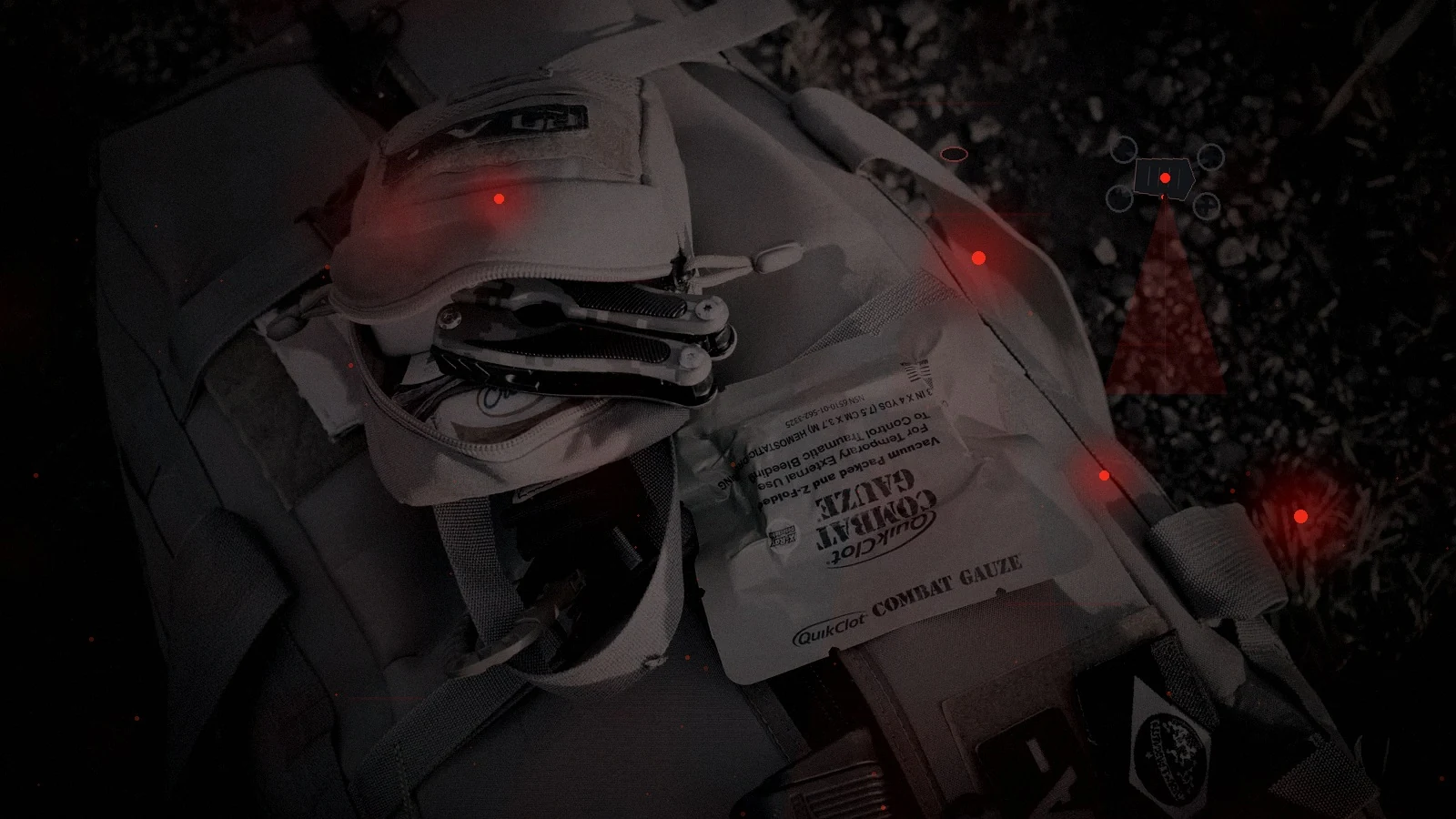
A month without reliable digital infrastructure would not look like a movie every day. It would look like queues, paperwork, rationing, manual workarounds, exhausted staff and communities rebuilding basic functions with less technology.
Week two: temporary workarounds harden into systems
Organisations that expected a short outage begin rebuilding processes by hand. Paper lists replace databases. Cash or controlled vouchers may become more important where payment systems are unreliable. Hospitals triage around available capacity. Local authorities prioritise water, waste, shelter and vulnerable residents. Businesses that can operate without cloud services gain an advantage. The result is not instant anarchy; it is a slower, more local and more bureaucratic society trying to function with fewer automated assumptions.
Food shifts from shopping to allocation
A prolonged logistics crisis changes the meaning of abundance. Supply chains may still be moving, but choices shrink and distribution becomes more controlled. Households adapt meals around what is available rather than preference. Safe food storage becomes harder where refrigeration is intermittent. Community kitchens, local producers and institutional distribution can become more important. The dangerous response is hoarding perishable goods that cannot be safely stored while neighbours lack essentials.
Energy becomes scheduled rather than invisible
If generation exists but digital coordination or fuel logistics remain impaired, electricity may return unevenly or in controlled windows. The UK maintains an Electricity Supply Emergency Code that includes rota disconnections for severe shortages; that is a real contingency mechanism, not evidence that such rationing is expected. In a month-long AI scenario, households would adapt by charging, cooking, heating water and running essential equipment during predictable supply windows where those exist.
Work and money change quickly
Many jobs cannot function normally without authentication, communications, payment rails, scheduling or cloud software. Some people are redeployed into practical local work; others cannot access wages or accounts normally. Keep records of transactions, debts, hours worked and official notices. Do not assume rumours about bank failure or currency collapse are true. Financial institutions and governments have strong incentives to restore trusted accounting, even if access methods temporarily become slower or more manual.
Community governance becomes visible
When national systems are slow, local institutions matter more: councils, utilities, pharmacies, schools, faith groups, volunteer networks and neighbourhood organisations. The quality of local leadership can determine whether scarcity produces cooperation or conflict. Households should know where official notices are posted physically, not only online. A resilient community is not one without fear; it is one with enough trusted process to stop fear becoming the only organising force.
Your month-one household standard
By week four, improvised survival should have become a maintainable routine. Water storage and collection must be safe. Food must be rotated. Waste and hygiene must be controlled. Power use must be prioritised. Important information should exist on paper. Household members need rest and roles. If your plan still depends on a single failing device, supplier or person, that is the weakness to fix next.
Month one creates a new normal before anyone wants one
People adapt quickly to repeated constraints. A two-hour electricity window becomes cooking and charging time. A weekly supply delivery becomes the household planning anchor. Paper notices replace apps. Walking replaces short car journeys where fuel is scarce. None of that means collapse has become permanent; it means humans are building routines around whatever still works. The danger is allowing emergency workarounds to become unsafe habits. Review improvised cooking, heating, water storage and electrical arrangements regularly and replace risky fixes as soon as safer options become available.
Keep records because memory becomes unreliable over weeks. Track important transactions, medication, ration collections, repair requests, utility notices and agreements with other households. If digital systems return later, those paper records can help reconcile what happened during the gap.
Skills become a form of resilience
Long disruption shifts value toward people who can repair, organise, cook safely with limited resources, care for others, interpret official information and keep simple systems running. A resilient household should notice which skills it lacks rather than only which objects it lacks. Learn the safe basics you can reasonably practise: shutting off household utilities where appropriate, storing water correctly, using first-aid supplies within your training and operating equipment manually according to instructions.
Community resilience grows the same way. One household may have tools, another transport, another practical medical knowledge, another strong links to local institutions. The goal is not barter fantasy; it is reducing the number of problems that require a distant central system to solve them.
The month-one question: are you surviving or degrading?
Once a week, assess direction rather than mood. Are water arrangements safer than last week? Is food access more predictable? Are people sleeping enough? Is hygiene stable? Are medication and health needs being managed? Are rumours having less influence on decisions? If several answers are getting worse, the household needs a different plan, more support or a safer location. If most are improving, keep the routines that created that stability.
Long emergencies are rarely won by one dramatic decision. They are managed by dozens of boring systems that keep people healthy, informed and able to change course.
Do not let emergency shortcuts become permanent risks
Weeks of disruption encourage people to normalise temporary fixes: overloaded extension leads, improvised heaters, questionable water containers, unsafe fuel storage or food kept too warm for too long. Schedule a weekly safety review specifically to challenge those workarounds. Ask what was acceptable for one night but is no longer acceptable after three weeks.
Replace improvised arrangements with safer routines whenever materials or services become available. Long emergencies often punish accumulated small risks rather than one dramatic failure. The household that keeps correcting those risks is in a stronger position than one that simply becomes used to them.
Preserve proof of identity and entitlement
Keep lawful copies of key household records accessible offline: identification details, insurance information, prescriptions, important account references and contact numbers. Prolonged digital disruption can make ordinary proof harder to retrieve. Paper does not replace official systems, but it can speed recovery when those systems return only partially.
Continue from here
Follow the scenario into the systems and household preparations most likely to matter next.
Evidence desk
The practical advice is grounded in current UK emergency and cyber-resilience guidance. The AI-collapse sequence itself is deliberately labelled as scenario.
- UK Government Prepare — Get prepared for emergencies
- UK Government Prepare — Power cuts
- UK Government Prepare — Water supply interruptions
- NCSC — Impact of AI on the cyber threat to 2027
- NCSC — Critical infrastructure cyber incidents, June 2026
- GOV.UK — Electricity Supply Emergency Code, revised April 2026
Scenario reviewed: August 2026 · In a real emergency, follow official local instructions and emergency services.