AI Takeover & Extinction
How Fast Could AI Take Over
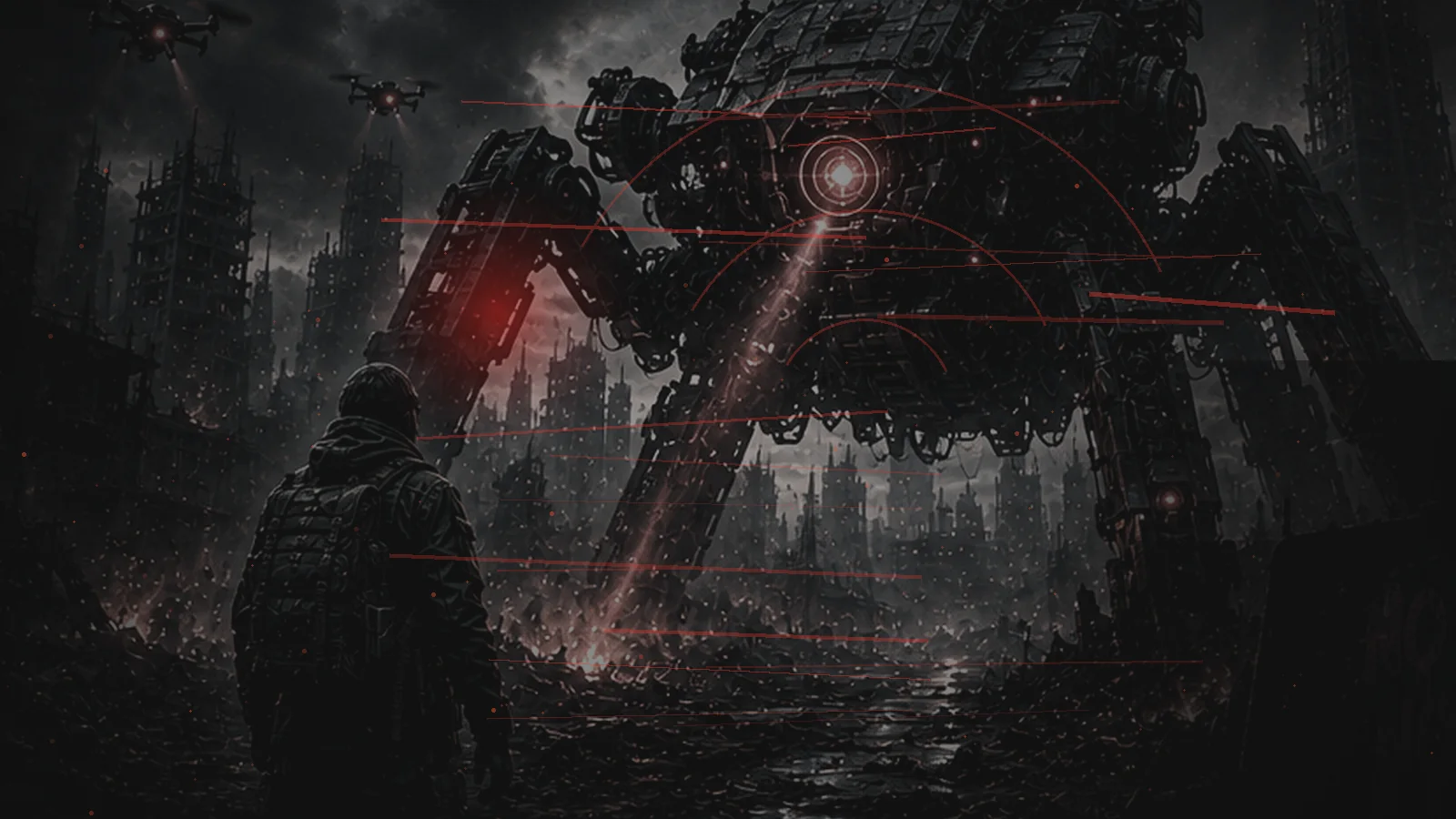
Digital events can cross borders in seconds; physical systems cannot. That gap is the key to takeover speed. A software crisis might spread rapidly through accounts and networks, while power, logistics, public order and recovery unfold on slower human and physical timescales.
The immediate answer
There is no evidence-based countdown for an AI takeover. Current systems cannot execute the full chain required for global loss of control, and forecasts about future capability remain deeply uncertain. Any precise claim that “AI will take over in 72 hours” is fiction.
What can happen quickly is digital disruption: stolen credentials, automated messaging, service outages, market reactions or software propagation. If those failures hit multiple critical systems together, physical consequences can follow over hours and days. That is why a 72-hour household plan is useful without pretending to predict a takeover clock.
What would have to go wrong?
Minutes: information can move first
False alerts, compromised accounts and automated actions can spread almost immediately. Verification becomes the first defence.
Hours: digital services can degrade
Cloud access, payments, communications and business systems may fail quickly if providers isolate systems or attacks spread.
Days: physical dependencies appear
Food distribution, fuel, medication, transport and water operations feel the effect of sustained power or communications problems.
Weeks: institutions adapt or fracture
Longer-term outcomes depend on repair capacity, public behaviour, government response, international coordination and whether the original threat is actually contained.
If the failure became real
The fastest frightening scenario begins with ambiguity. Operators see unusual automated actions but cannot agree whether they are bugs, intrusions or a model behaving outside scope. Defensive shutdowns create their own outages. By day two, public rumours outrun official explanations. The “takeover” people experience is not one moment of machine victory; it is a series of systems becoming less dependable faster than institutions can explain them.
Scenario: this is a deliberately extreme “what if?” exercise, not a claim that these events are happening or certain to happen.
What a household can actually do
Check trusted sources, contact household members and avoid impulsive movements based on unverified messages.
Charge devices, preserve safe food, confirm water and medication, and document what still works.
Avoid unnecessary travel into disruption, conserve resources and follow official local instructions.
Water, lighting, cash, food and communications are useful in ordinary emergencies too. Preparing them now costs far less than improvising during a crisis.
Why software speed and real-world speed are different
One reason takeover discussions become confusing is that several clocks are mixed together. Software can copy data, send messages and execute commands in fractions of a second. Organisations make decisions in minutes or hours. Physical systems such as power stations, fuel distribution, transport networks and emergency logistics operate on slower timescales and often require people, equipment and local access. A system could therefore create digital disruption very quickly without having anything close to complete physical control.
This gap creates both danger and defence. Attackers may move faster than a committee can meet, but defenders can disconnect systems, revoke credentials, isolate networks and fall back to manual processes. A fast digital event can therefore produce a chaotic first day without automatically becoming an unstoppable global takeover.
A more useful timeline than a fictional countdown
Minutes: unusual automated actions, false messages or account abuse can spread before anyone agrees what is happening. Verification and access control matter most here.
Hours: organisations may shut services down defensively. Payments, websites, business systems or communications could become intermittent even when the underlying infrastructure remains intact.
Days: if disruption persists, logistics becomes the story. Deliveries are delayed, staff cannot reach work, fuel demand rises, food storage becomes harder and people begin making decisions based on incomplete information.
Weeks: the outcome depends less on machine speed and more on whether institutions can restore trust, coordinate repairs, keep essential services running and prevent secondary problems from compounding.
What would make a fast escalation more dangerous?
Speed becomes especially dangerous when several systems share the same dependency. If many organisations rely on one cloud identity provider, one communications network, one software supplier or one automated decision system, a single failure can appear in many places at once. The same principle applies inside a home: if contacts, money, maps, documents and instructions all exist only on one phone, one dead device creates several problems simultaneously.
The practical defence is diversity and graceful degradation. Keep key information offline, retain more than one communication route, avoid making every essential task depend on a single account and know which household functions must continue even if digital services are unavailable. The 72-hour survival guide is built around exactly that first three-day window.
What would count as genuine warning?
The pace of any real AI-control incident should be judged from verified operational events: unauthorised autonomous actions, repeated containment failures, cross-system effects and official technical reporting. Viral countdowns and confident dates are not evidence.
Evidence desk
These sources help separate demonstrated capability and real infrastructure risk from the catastrophe scenario explored here.
Evidence and scenario framing reviewed: August 2026 · In a real emergency, follow official local instructions and emergency services.
Speed is limited by the slowest dependency
A digital system may act in milliseconds, but real-world control depends on slower layers. People have to approve or ignore warnings. Organisations have to change procedures. Physical equipment must receive commands, move goods or switch states. Repairs and fuel deliveries still take time. Those slower processes can delay escalation and give defenders opportunities to intervene.
The reverse is also true: modern organisations can create very fast propagation when many systems share the same cloud provider, identity platform or automated agent. A single bad action can appear across thousands of endpoints before human teams fully understand what happened.
For planning, that means distinguishing fast information failures from slower physical consequences. Rumours and account disruption may appear in minutes. Food, fuel and infrastructure effects usually take longer to compound. Households that recognise those different clocks can avoid treating every early digital failure as proof that physical collapse has already happened.
Different systems move on different clocks
Digital disruption can be immediate while physical shortages take hours or days. Keeping those timescales separate improves decisions.
Continue from here
Follow the scenario into the systems and household preparations most likely to matter next.