AI Takeover & Extinction
Could AI Disable Communications
Communication networks are resilient but dependent on power, fibre, data centres, software, backhaul and local infrastructure. AI does not need to “own the internet” to make a crisis worse; disruption to a few critical layers can leave people uncertain about what is happening.
The immediate answer
Current AI cannot independently switch off a country’s communications. A serious outage would require cyber access, physical failures, software faults, power loss or decisions by network operators. AI may increase cyber capability and accelerate malicious automation, while telecom providers use automation of their own to detect faults and restore service.
The household problem is simpler: if mobile data, messaging and cloud contacts stop working, can you still reach the people who matter, receive official information and navigate without your usual apps?
What would have to go wrong?
Mobile networks depend on power and backhaul
A mast can have local backup power and still become useless if its upstream connectivity fails. Large outages are often chains of dependencies rather than one broken tower.
The internet has many routes but local access can still disappear
Core networks are distributed, yet a household can lose service because of regional fibre damage, ISP failure, DNS problems, power cuts or overloaded mobile networks.
Information attacks can mimic an outage
Even when networks remain available, a flood of false messages can make people distrust the channel. Availability and trust are separate resilience problems.
Broadcast and radio remain important fallbacks
Official radio broadcasts, local information and pre-arranged household plans can remain useful when two-way digital services are overloaded or unavailable.
If the failure became real
During a severe multi-system incident, mobile data becomes intermittent, then messaging services fail. Calls connect only occasionally. Social feeds fill with recycled and synthetic clips claiming different parts of the country are under attack. Families waste battery repeatedly refreshing apps. The better-prepared household switches to a written contact plan, conserves power and checks known official channels on a schedule rather than chasing every rumour.
Scenario: this is a deliberately extreme “what if?” exercise, not a claim that these events are happening or certain to happen.
What a household can actually do
Keep household, school, work, medical and emergency contacts on paper as well as in phones.
A communications plan should still work if nobody can call anyone. Decide where people go and how long they wait before changing the plan.
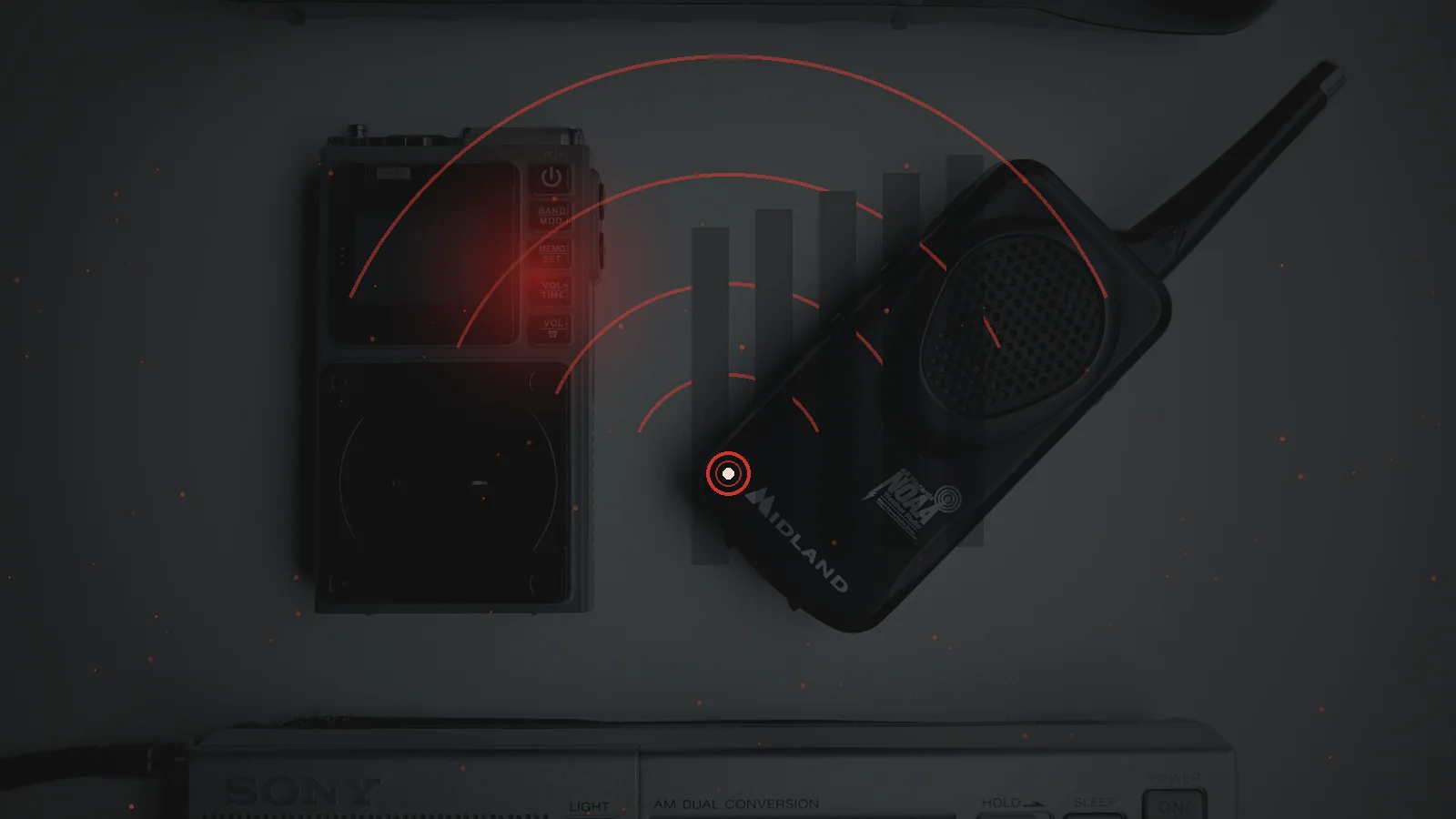
A battery or hand-crank radio can provide one-way information during some power and network outages.
Navigation, medication details and emergency procedures should not exist only inside cloud-connected apps.
Why communications fail in layers
People often talk about “the network” as though it is one machine. In reality, a message may depend on a charged handset, a local mast, backhaul links, power, routing, identity systems, application servers and the recipient’s own connection. A failure anywhere along that chain can make a service appear dead even when most of the national network is still functioning.
This layered design is both a weakness and a strength. It creates dependencies, but it also means one failure does not necessarily remove every communication route. Voice calls, text messages, mobile data, fixed broadband, broadcast radio and face-to-face plans do not all fail in exactly the same way.
Congestion can look like destruction
During major incidents, communications may become unreliable because too many people try to use them at once. Repeated calls, video uploads and constant app refreshing consume capacity and battery precisely when both matter most. That can produce a frustrating pattern where a text arrives late, a call fails twice and then succeeds, or mobile data disappears while basic SMS still works.
A prepared household uses the least demanding working option. Send short messages, agree check-in times, avoid unnecessary video and preserve power. If nobody can connect, the fallback should already be known: meeting points, written numbers and a clear plan for children or vulnerable relatives.
Information is part of communications resilience
A working signal is not useful if the message cannot be trusted. AI-generated voice, video and text make authenticity a separate problem from connectivity. During a confused event, official information can be copied, altered or surrounded by fake versions designed to provoke movement, panic buying or fraudulent payments.
Build a small hierarchy of trusted channels before a crisis: utility and network-provider pages, recognised government alerts, local authority information and radio. The communications blackout guide and emergency information checklist turn that into a household plan.
What would count as genuine warning?
A real communications outage is best confirmed through your network provider, official emergency information and multiple independent observations. Claims that “AI has shut down all communications” require technical evidence; local congestion, power failure and ordinary network faults are more common explanations.
Evidence desk
These sources help separate demonstrated capability and real infrastructure risk from the catastrophe scenario explored here.
Evidence and scenario framing reviewed: August 2026 · In a real emergency, follow official local instructions and emergency services.
Build a communications ladder
A resilient household should know what to try when the normal messaging app fails. The first rung may be ordinary mobile data, followed by SMS or voice, home broadband or Wi-Fi calling where available, broadcast radio for receiving information, then pre-agreed meeting points and face-to-face contact. The exact ladder depends on the household, but the principle is that one failed service should not end coordination completely.
Write the ladder down with key phone numbers and addresses. During a congested incident, short text messages may succeed when calls fail, and delayed delivery does not necessarily mean the network is completely dead. Agree check-in times so people are not repeatedly calling and draining batteries. If somebody cannot connect, they should know what to do next without needing fresh instructions.
Information and conversation should also be separated. A radio or official notice can supply public updates while phones are reserved for family status. That division preserves power and network capacity. The deeper lesson is that communications resilience comes from independent routes and predictable behaviour, not from installing more apps that all depend on the same underlying network.
Agree what silence means
A missed call should not automatically trigger panic. Pre-agreed check-in times and meeting points turn lack of signal into a known procedure.
Continue from here
Follow the scenario into the systems and household preparations most likely to matter next.