Communications & Information • PRINTABLE BACKUP
Emergency Information Checklist: What To Print Before the Internet Goes Down
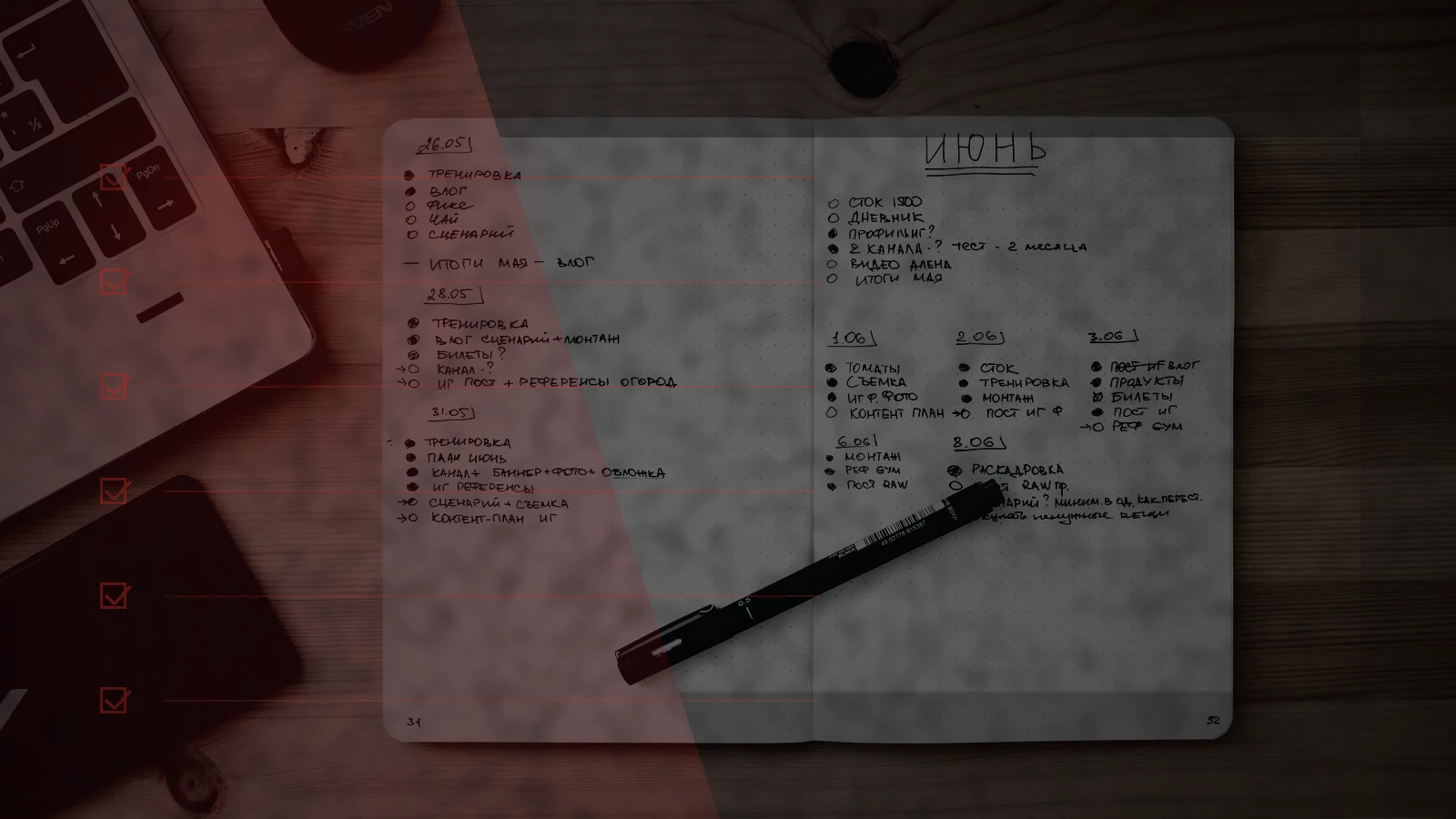
Most households have the information they need during an emergency scattered across phones, email, apps and online accounts. An offline information pack turns the critical pieces into something you can still reach when power, broadband or authentication systems are failing.
Print the people layer
Include household mobile numbers, an out-of-area contact, relatives, schools, care providers and a small number of trusted neighbours. Add addresses as well as phone numbers. If somebody may need help with mobility or communication, record the practical action the household has agreed rather than unnecessary personal detail.
Print the medical layer
Keep essential medication names, doses, allergies, relevant conditions, GP details and emergency medical contacts where appropriate. Update the sheet whenever treatment changes. Store medical information securely because it is sensitive. The purpose is to make accurate information available to the household or responders when a phone or patient portal is unavailable.
Print the home and utility layer
Record utility emergency numbers, account references where safe, insurer contact details, landlord or managing-agent details if relevant, and simple shutdown instructions for household systems you may need to isolate. Do not print passwords or full payment-card details. A paper emergency pack should reduce dependency without creating an identity-theft kit.
Print maps and meeting points
Include local maps, the household meeting points, school or work routes and any planned evacuation destination. Mark hospitals and major transport links. UK Prepare specifically advises downloading or printing maps because live mapping applications usually depend on internet connectivity even when the phone can still determine its location from GPS.
Print the information channels
Write down useful radio frequencies, GOV.UK Emergency Alerts information, local-authority details and other official channels you would check during an incident. Add a blank incident log with columns for time, source and message. Writing down confirmed updates makes it easier to distinguish the current instruction from something heard several hours earlier.
Store, duplicate and review
Keep one copy somewhere accessible at home and a second reduced copy in the grab bag. Protect documents from water and consider which pages need privacy. Review the pack twice a year and after major household changes. A stale emergency pack can be actively misleading, so maintenance is part of the system, not an optional extra.
Add an incident log and decision page
Include several blank pages for a simple incident log. Record the time, source, exact message and any household action taken. Add a separate decision page for things such as evacuation, medication, water status and family whereabouts. This sounds bureaucratic until an outage lasts long enough for people to forget whether a warning came two hours ago or yesterday. Written records also make handovers easier if one person sleeps while another monitors information. Use pencil as well as pen, keep a torch with the pack and protect the pages in a waterproof sleeve. If your household has multiple languages or accessibility needs, make sure the most important instructions are usable by everyone who may need to act without the usual digital support. Add the date of the next scheduled review to the front page so the pack cannot quietly become obsolete as phone numbers, medications, schools, insurers and household responsibilities change.
Use a fixed information routine
During a long emergency, constant checking can drain batteries and increase stress without improving decisions. Choose a small number of trusted channels and review them at regular intervals. Record the time of each check and the most important verified update.
If a genuine alert arrives between scheduled checks, act on it as appropriate. The routine is there to reduce noise, not to ignore urgent warnings.
Record decisions as well as updates
Next to each important piece of information, write what the household decided to do about it. “Water company says supply may return by 18:00” is useful. “Keep current water reserve untouched until 18:30 review” turns the information into a plan.
This prevents the same issue being debated repeatedly and makes it easier for another household member to understand why the current routine exists.
Check the age of every message
Old emergency posts often recirculate during new incidents. Before acting, check the date, time, location and whether the instruction has been superseded. A genuine message from yesterday may be wrong for today.
Screenshot or write down the time of critical updates if connectivity is unstable so the household can distinguish current guidance from stale information later.
Keep one household information sheet
Use one page for the current situation: what happened, which services are affected, which official sources have been checked, what the household has decided and when the next review happens. This gives everyone one shared version of events instead of several conflicting phone screens.
Cross out old instructions rather than leaving them mixed with current ones. Clear chronology matters when advice changes during a long disruption.
End each update with a practical question
After reading new information, ask whether it changes anything the household needs to do now. If it does not, record it and continue the existing plan. This stops every headline becoming a new emergency.
Information is most useful when it improves a decision, not when it simply increases the amount of material being watched.
Give every update an expiry point
Some instructions remain valid for hours; others can change quickly. Add a “recheck by” time beside anything that could affect movement, water, transport or service availability. That makes it less likely an old instruction quietly becomes permanent household policy.
If no fresh information appears by the review time, keep the uncertainty visible rather than inventing certainty. A checklist should help the household know what it does not yet know.
At the end of each review, write the next time the household will check for updates. That prevents endless monitoring and makes it obvious when old information needs refreshing.
At the end of each review, write the next time the household will check for updates. That prevents endless monitoring and makes it obvious when old information needs refreshing.
Continue from here
Build this topic into a wider plan, then see how the same dependency could fail in an AI-collapse scenario.
Evidence desk
Practical advice here uses current UK emergency-preparedness and communications guidance. AI-driven deception and nationwide information failure are scenario analysis, not claims that such events are happening or inevitable.
Practical guidance reviewed: August 2026 · In a real emergency, follow official local instructions and emergency services.