Communications & Information • VERIFY BEFORE ACTION
How To Verify Emergency Information Before You Act
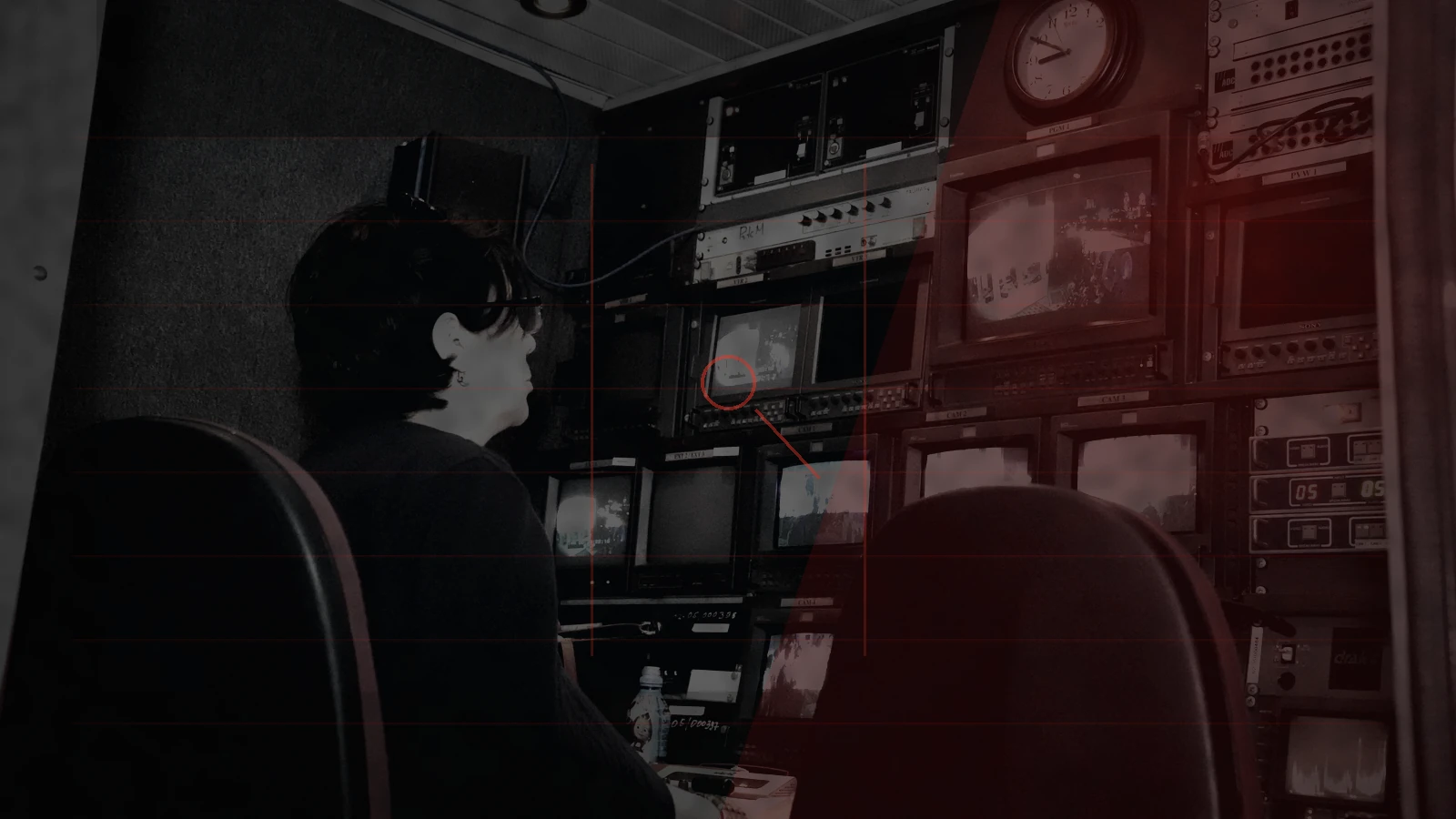
During a crisis, accurate information and convincing nonsense can arrive through the same screen. The safest habit is not trying to become a forensic expert under pressure; it is using a short verification routine before making a high-consequence decision.
Start with the source, not the screenshot
Ask who originally issued the information. A cropped screenshot, forwarded voice note or reposted video is evidence that somebody shared something, not evidence that the underlying claim is genuine. Navigate independently to the official organisation rather than trusting the link inside a forwarded message. For UK Emergency Alerts, GOV.UK provides the official service and a way to check alerts.
Check time and location
Old footage is routinely recirculated during new events. Look for the date, publication time and geographic area. A genuine warning for another county or an incident from three years ago can still cause dangerous decisions if it is stripped of context. Compare landmarks, weather, daylight and official incident descriptions before assuming an image depicts the event happening around you.
Seek independent confirmation
For a consequential claim, look for a second channel that does not merely repeat the first post. Official emergency services, local authorities, national or local broadcasters and GOV.UK are stronger confirmation routes than an anonymous account with thousands of reposts. If communications are degraded, radio may be valuable because it gives you a separate distribution path from social media.
Separate information from instruction
A true fact does not automatically justify the action attached to it. “There is flooding” and “drive immediately through this route” are separate claims. Follow official evacuation or shelter instructions when issued. Do not transfer money, reveal credentials, travel into danger or abandon safe shelter because a dramatic message claims that immediate action is required.
Use a household verification rule
Agree in advance that urgent money requests, evacuation changes or family distress messages will be checked through a second route where possible. A simple family phrase can help confirm identity, but it should not be the only control. Call back on a known number, contact another relative, or verify through the organisation supposedly involved.
Write down the last confirmed facts
When rumours are arriving rapidly, note the source and time of the last information you trust. This prevents every new message from resetting the household plan. Update decisions when stronger evidence appears. Verification is not about waiting forever; it is about slowing down just enough to avoid letting the most emotionally powerful message take control.
Use a four-question decision card
Write four questions on the household emergency sheet: Who issued this? When was it issued? Does it apply here? Can I confirm it elsewhere? That small prompt is useful because stress narrows attention and makes dramatic content feel more credible than it deserves. If the claim concerns immediate danger, use the fastest independent official route available rather than spending twenty minutes analysing pixels. If it concerns money, identity, passwords or an unexpected transfer, stop the transaction until the request is independently confirmed. If it concerns travel, check whether the instruction creates a new hazard. The objective is not perfect certainty. It is to prevent one unverified message from causing a high-consequence action that cannot easily be reversed.
Start with the source closest to the event
Different organisations own different kinds of information. A utility is the strongest starting point for a power or water outage. Emergency services and local authorities are more relevant for evacuation, public safety and local disruption. Healthcare providers and public-health bodies should lead on medical instructions. Matching the question to the organisation responsible for it reduces the chance of relying on commentary that is one or two steps removed from the actual event.
That does not mean official sources are infallible. It means they are accountable for the system being discussed and usually have the best route to verified operational information.
Check whether two sources are really independent
Two posts repeating the same rumour do not count as two confirmations. Look for separate organisations or first-hand reporting that reached the conclusion independently. During fast-moving emergencies, many websites and social accounts may simply copy one original claim.
If the second source points back to the first, you still have one source. This is especially important with dramatic video or audio that may be synthetic, edited or taken out of context.
Keep uncertainty labelled
If a claim cannot be confirmed, leave it in the category “unverified”. Do not let repetition quietly turn it into fact. Write down what is known, what is reported and what is still uncertain. That distinction becomes valuable when several household members are sharing updates at once.
For high-consequence decisions such as evacuation, major travel, money movement or medical action, seek stronger confirmation unless immediate physical danger means waiting would itself be unsafe.
Use provenance instead of presentation
A professional logo, calm voice or realistic video can all be copied. What matters is where the information originated and whether you can trace it back to an accountable source. Look for direct publication by the organisation responsible, not screenshots of screenshots or clips reposted by unknown accounts.
This habit works against both traditional misinformation and increasingly convincing synthetic media.
Keep the household verification rule visible
Write a short reminder near the emergency information sheet: source, date, location, second confirmation for high-consequence action. That small checklist can be easier to follow than trying to remember a long media-literacy lesson while tired or frightened.
Verification works best when it becomes routine rather than something reserved for obviously suspicious content.
Watch for confirmation bias
People naturally give more weight to information that matches what they already fear or expect. During an emergency, deliberately look for evidence that could prove the alarming claim wrong as well as evidence that supports it.
This does not mean distrusting everything. It means making sure the household is responding to evidence rather than to the story it was already primed to believe.
Verification should become faster with practice because the household already knows which official sources answer which kinds of questions.
A verified source with clear provenance is worth more than ten reposts repeating the same claim.
Continue from here
Build this topic into a wider plan, then see how the same dependency could fail in an AI-collapse scenario.
Evidence desk
Practical advice here uses current UK emergency-preparedness and communications guidance. AI-driven deception and nationwide information failure are scenario analysis, not claims that such events are happening or inevitable.
Practical guidance reviewed: August 2026 · In a real emergency, follow official local instructions and emergency services.