SURVIVAL GEAR & PRACTICAL SKILLS
Emergency Document Bag: What to Keep Ready and What to Leave Out
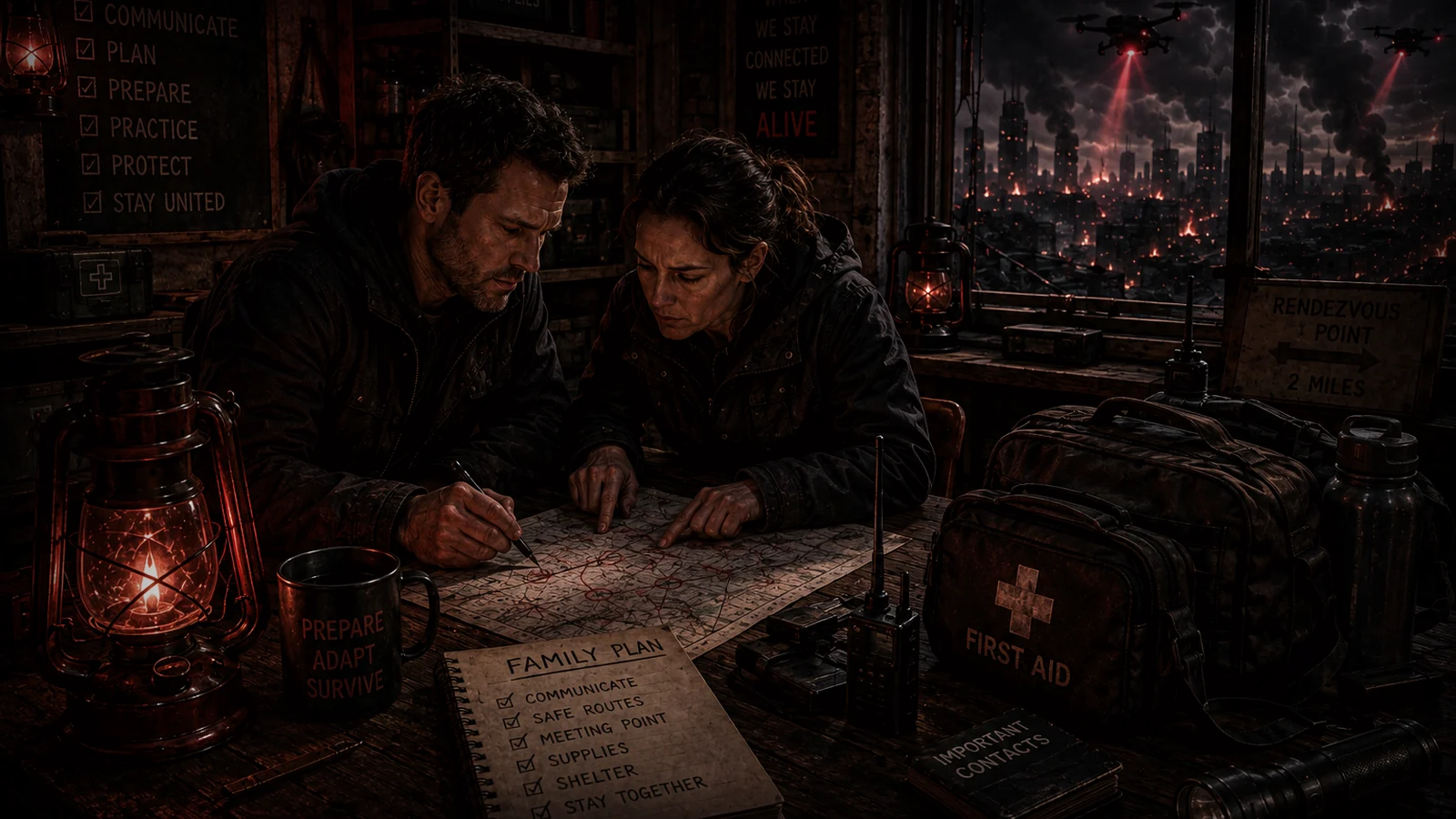
How to assemble a protected emergency document pouch with the records that help during evacuation, outages and recovery without exposing unnecessary sensitive data
The immediate answer
Keep a small protected document pouch with copies or references to the information you would struggle to recreate during an evacuation: identification details, insurance contacts, medication lists, emergency contacts, key addresses, property information and relevant medical or support instructions. UK Prepare recommends keeping a household emergency plan with important documents such as passports, birth certificates and insurance information so they can be gathered quickly if evacuation is required.
Copies may be safer than originals
Whether originals belong in the bag depends on your circumstances and security. In many homes, high-value originals are better kept in secure storage, with copies or a checklist in the grab bag. If authorities specifically require originals for travel or relocation, know where they are and how to retrieve them quickly. Do not leave passports and birth certificates permanently in an easy-to-steal bag beside the door.
Prioritise usable information
A current medication list, allergies, GP details, insurer phone numbers, emergency contacts and the address of your meeting point can be more useful during the first hours than a thick folder of historical paperwork. Keep the pack compact enough to carry. Use clear dividers or a one-page index so another adult can find information without knowing your filing system.
Protect against water and fire where practical
Use a water-resistant or waterproof pouch and keep documents away from known flood risks. A small fire-resistant document wallet may add protection, but no portable bag guarantees survival in a serious house fire. If there is a fire, leave immediately; do not delay evacuation to retrieve documents.
Do not create an identity-theft kit
Avoid placing unnecessary bank statements, full password lists, card PINs, security-question answers or photocopies of every financial document in one portable package. Preparedness should minimise the damage if the bag is lost. Store only what has a clear emergency purpose and protect highly sensitive information separately.
Add household-specific records
If someone depends on medical equipment, include written instructions and supplier contacts. For pets, add microchip, veterinary and medication details. For children, include school contacts and authorised pickup information where appropriate. Homeowners or tenants may need insurer, landlord or utility details. Tailor the pack instead of copying a generic internet checklist blindly.
Keep an offline digital backup separately
Encrypted offline copies on a secure USB device can complement paper, but should not be the only backup. A phone or USB drive may be inaccessible, damaged or out of power. If you use digital copies, protect them with strong encryption and keep recovery credentials somewhere secure rather than written on the same device.
Review every six months
Phone numbers, medicines, policies and household members change. Review the document pouch at least twice a year and after major life events. Shred obsolete sensitive copies rather than leaving them in recycling. A current two-page pack is better than a ten-year-old lever-arch file.
Make the pack usable during evacuation
The pack should be light enough to grab without delaying departure. Put the most immediately useful information at the front: emergency contacts, medicines, allergies, household members, meeting points, insurer details and the checklist of originals that may need collecting if time and safety allow. Use copies that remain readable if folded, and write key phone numbers in large clear text. If the household separates, consider giving another trusted adult a second summary sheet rather than keeping all knowledge in one bag. During an actual fire or other immediate danger, never return for paperwork. The document system is designed to reduce friction when evacuation is safe enough to collect belongings, not to compete with life safety.
Keep a departure checklist beside the bag
Add a short checklist for the things that cannot sensibly live in the bag all year: current prescription medication, daily-use mobility equipment, phones, chargers, house keys and any original documents that must be collected only if time and safety permit. The list prevents frantic memory searches during an evacuation. Keep it short enough to scan in seconds. If the situation is immediately dangerous, leave without completing it; no document or device is worth delaying escape.
Continue building the system
Organise documents by the decisions they support
Group information into practical categories: identity, health, insurance, property, contacts and emergency plans. That makes it easier to find the right paper under stress than carrying a thick unsorted folder.
Use a simple index at the front of the bag and avoid including documents that add risk without helping a likely emergency decision.
Keep contact information readable without a phone
Include key names, addresses and numbers on paper. If the household becomes separated or a phone is lost, that sheet can support communication without needing access to a cloud account.
Review it whenever important contacts, schools, healthcare providers or family arrangements change.
Protect privacy during evacuation
A portable document pack is useful precisely because it can move quickly, which also makes it easier to lose. Carry only what is genuinely necessary and keep sensitive paperwork supervised. Do not include passwords, PINs or unnecessary full account details.
The best document bag balances continuity with privacy rather than copying every record the household owns.
Build a one-minute document check
A useful document bag should be easy to verify without emptying it onto the floor. Keep a short checklist inside the front cover showing the categories that should be present: identification copies, health information, insurance references, household contacts and any documents needed for dependants or pets. During each review, work down the checklist and replace only what has changed.
That one-minute check prevents the pack becoming a forgotten archive of outdated photocopies. It also makes it easier for another adult in the household to maintain the bag if the person who originally assembled it is unavailable.
Think about retrieval as well as storage. Put the most frequently needed items near the front and keep less common records behind them. If you ever have to use the bag in a reception centre, hotel, hospital or temporary accommodation, you should be able to find the right information without exposing every other document you carry. Organisation protects privacy as well as saving time.
Make the bag easy to hand over
If another adult has to take over during an evacuation, the document pack should make sense without explanation. Clear labels and a short index reduce the chance that important information becomes inaccessible simply because the person who assembled it is absent.
Keep the pack current
Outdated contact details and expired documents create false confidence. A dated review note on the front shows when the contents were last checked and gives the household a clear trigger for the next review.
Continue from here
Build this topic into a wider plan, then see how the same dependency could fail in an AI-collapse scenario.