Children During a Power Cut: Keep the Household Safe, Warm and Predictable
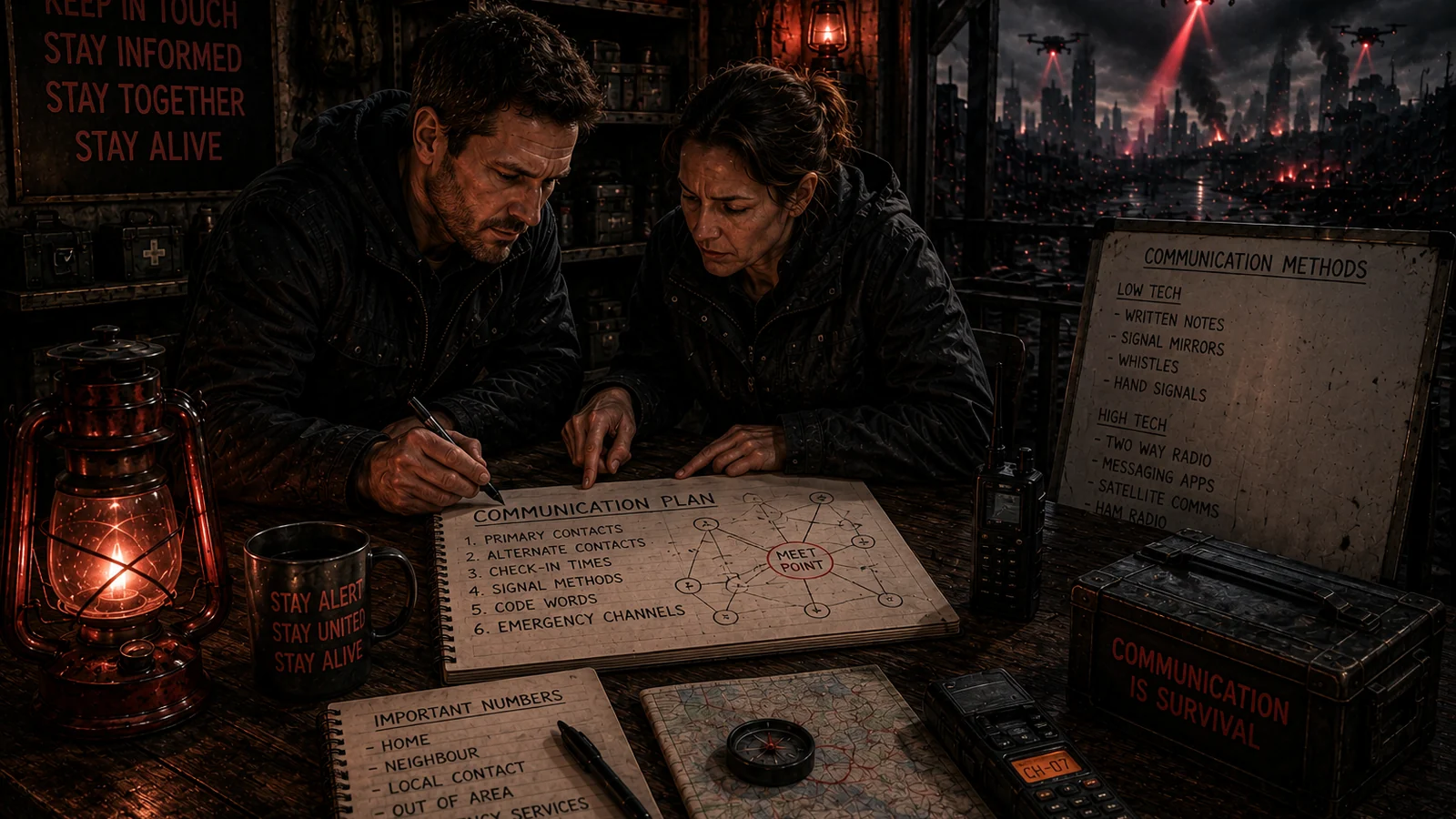
A practical UK family guide for keeping children safe, calm, warm, informed and occupied during a blackout or prolonged infrastructure disruption.
The immediate answer
For children, the first blackout priorities are physical safety, temperature, familiar routine and calm information. Move torches where they can be reached safely, keep stairs and exits lit, account for everyone, reduce fire and carbon-monoxide risks and explain the situation in language that matches the child’s age. Children take cues from adults, so a simple routine is usually more useful than dramatic speculation.
Remove the hazards darkness creates
Trailing cables, candles, hot drinks, open flames and stairs become more dangerous when lighting is poor. Use torches or battery lanterns rather than allowing children to carry candles. Keep generators, barbecues and camping stoves outside and away from doors and windows. Lock away matches, fuels and medicines just as you would normally; a crisis does not make household safety rules optional.
Protect warmth and cooling early
Young children can be more vulnerable to temperature extremes. In cold weather, close unused rooms, layer clothing and bedding, and move the household into the safest warm room before the building becomes very cold. In hot weather, reduce exertion, use safe ventilation where possible and prioritise fluids. If a child becomes seriously unwell, unusually drowsy, confused or difficult to wake, seek urgent medical help.
Keep food and medicine routines recognisable
Use familiar food where possible and avoid creating unnecessary stress around meals. Keep fridge and freezer doors closed during outages and follow food-safety guidance before serving temperature-sensitive foods. If a child takes regular medication, keep the medicine plan, prescription details and any device requirements with the household emergency documents.
Explain enough without frightening them
Children do not need fictional worst-case detail during a real outage. Tell them what has happened, what the adults are doing and what will happen next. If the wider event involves alarming AI rumours or false messages, do not expose children to an endless stream of unverified content. Give concrete jobs such as checking torches, choosing a quiet game or helping count water bottles.
Build a no-screen routine
When devices cannot be charged, boredom can become conflict. Keep books, cards, drawing materials and a few familiar activities with emergency supplies. A written timetable for meals, information checks, sleep and quiet activity helps the household feel structured. Preserve phone battery for communication rather than using it as the only entertainment source.
Plan separation from school or childcare
Keep school and childcare contact details on paper and know their emergency collection policy. Decide which adults are authorised to collect a child and what happens if usual transport fails. Do not create competing plans where one adult travels toward school while another expects the child at home. The household communication plan should settle this before networks fail.
Include the child in practice
A short, non-frightening drill can teach where torches are, which adult to find, where the family meets and why they should not leave the house alone. The goal is competence, not fear. Review the plan as children grow because what is realistic for a six-year-old is very different from what a teenager can safely do.
Plan for emotional aftershocks, not just the lights going out
A short outage can be exciting to a child; a long one can become frightening when familiar routines disappear and adults start whispering about shortages or danger. Keep adult discussions about worst-case scenarios away from younger children, preserve bedtime cues where possible and give clear updates at predictable times. If school, heating, communications or food routines are disrupted for several days, watch for changes in sleep, behaviour or appetite and keep the environment as normal as circumstances allow. The aim is to make the emergency feel managed rather than mysterious.
Keep the explanation simple and age-appropriate
Children usually cope better when adults explain what has changed, what is still safe and what will happen next without overwhelming them with frightening speculation. A short routine—where the torches are, which room the family is using and when the power will be checked again—can make the situation feel more predictable.
Avoid using dramatic collapse language around young children when the actual event is an ordinary outage.
Give children safe jobs
Simple tasks such as fetching a labelled torch, helping count bottled water or choosing a quiet game can reduce boredom and give older children a useful role. Keep tasks appropriate to age and do not involve children in electrical, cooking or heating work that requires adult supervision.
Predictable responsibility can be reassuring without shifting the burden of the emergency onto the child.
Protect sleep and routine
Blackouts can disrupt bedtime through darkness, heat, cold and unfamiliar noise. Prepare bedding, lighting and drinks before the child becomes overtired, and keep the evening as normal as conditions allow.
Adults also make better decisions when children are settled, so preserving routine is a practical resilience measure as well as a comfort issue.
Prepare a low-power boredom plan
Books, drawing materials, cards and familiar small games can keep children occupied without consuming phone or tablet battery. Keeping a few options with the emergency supplies reduces pressure to use the same devices needed for communication.
For older children, explain why battery is being conserved and let them help choose when entertainment devices can be used. Clear rules are easier to accept than repeated last-minute refusals.
The objective is not perfect entertainment. It is to keep the household calmer while preserving the resources needed for safety and communication.
Keep children away from new household hazards
Blackouts often introduce unfamiliar cables, lanterns, portable batteries or temporary cooking arrangements. Explain which items are off-limits and keep hot, electrical or breakable equipment physically out of reach where possible.
Safe routines matter more than perfect comfort. A child who knows where to sit, which torch is theirs and what not to touch is easier to supervise while adults manage the wider outage.
Keep one familiar comfort item or routine available if space allows. Familiarity can make an unusual night feel far more manageable.
Keep the routine predictable where conditions allow. Regular meal, sleep and check-in times give children something familiar to anchor to, and they make it easier for adults to notice when stress, cold, hunger or fear is starting to affect behaviour.
Keep the environment calm, safe and as familiar as conditions allow. Explain changes in simple language, avoid exposing children to repeated frightening rumours, and give them small age-appropriate jobs so they remain part of the household plan rather than feeling powerless.
Continue from here
Build this topic into a wider plan, then see how the same dependency could fail in an AI-collapse scenario.
Evidence desk
Practical actions follow ordinary UK emergency-preparedness principles. Catastrophic AI-collapse framing is scenario content, not a claim that such an event is occurring.
Continue
More Family, Community & Security guides → · 72-hour survival manual →