Collapse Timeline • HEALTH SYSTEM UNDER STRAIN
When Hospitals Lose Power: What a Health-System Crisis Means at Home
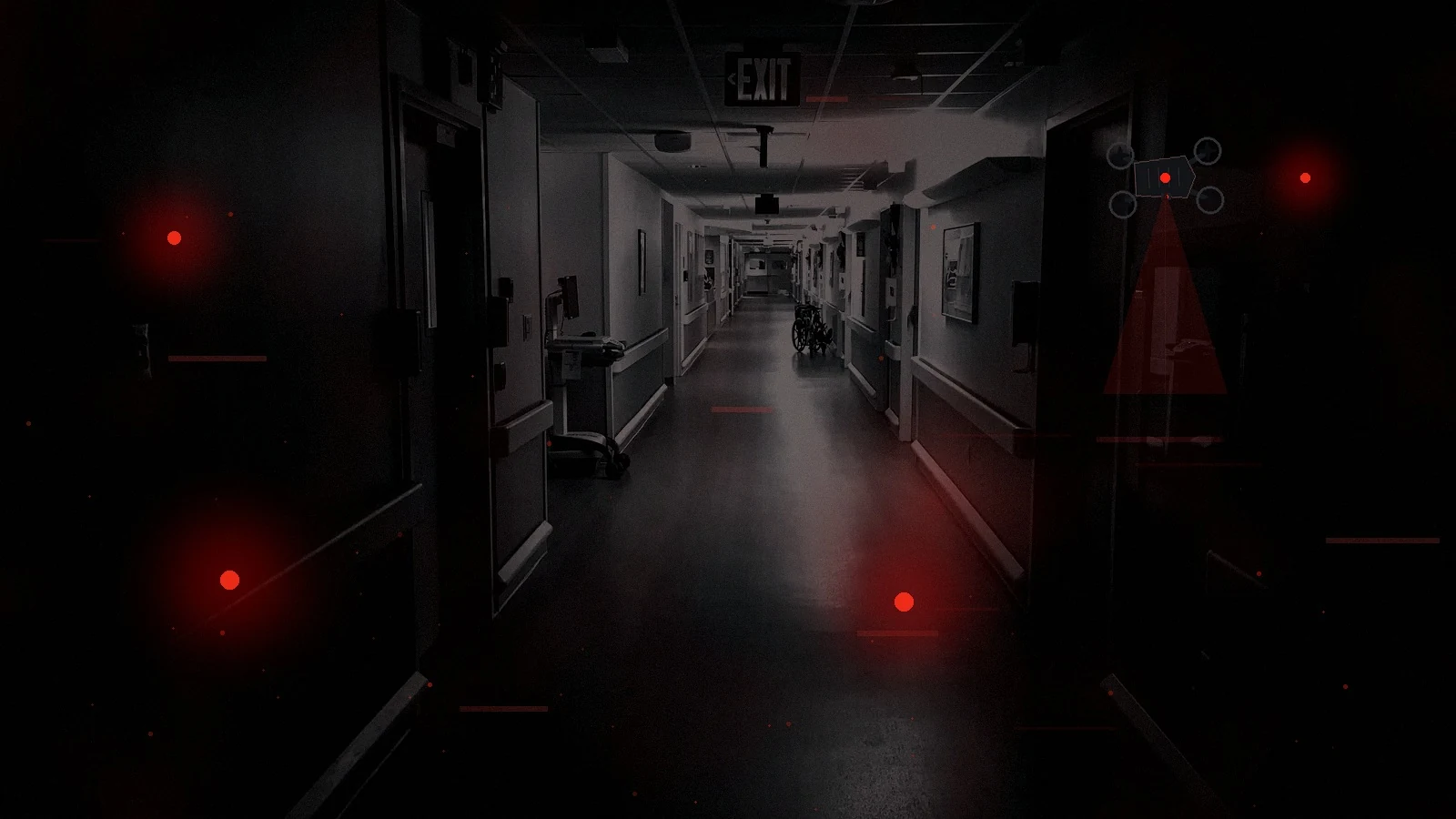
Hospitals plan for power disruption, but a prolonged regional failure can strain backup systems, staffing, communications and supply chains. The household priority is not to become another preventable casualty.
Backup power buys time, not invulnerability
Hospitals use resilient power arrangements for critical functions, but generators depend on fuel, maintenance and functioning internal systems. A wider collapse can simultaneously affect roads, communications, water, staffing and suppliers. That does not mean every hospital immediately goes dark. It means capacity can become constrained and normal services may be reprioritised. Follow NHS and local emergency information rather than assuming a fictional timeline applies to your area.
Preventable injuries matter more during system stress
Avoid unnecessary travel, risky DIY, open flames and improvised electrical connections. Keep stairs and trip hazards lit. Use torches rather than candles where possible. Store medicines safely and know basic first-aid principles before an emergency. The more stretched healthcare becomes, the more valuable it is to avoid injuries that ordinary caution could prevent.
Prescription medication needs a continuity plan
Do not stop, ration or alter prescribed medicines based on generic internet advice. Keep medicines organised, know the names and doses, and maintain reasonable continuity within normal prescribing rules. If a medicine requires refrigeration or powered equipment, ask the relevant clinician or provider in advance what to do during an outage. In an actual emergency, professional advice overrides any scenario content here.
Know what is genuinely urgent
Chest pain, severe breathing difficulty, uncontrolled bleeding, stroke symptoms, major trauma and other life-threatening problems remain emergencies even during disruption. Use official emergency services when available. Do not avoid care because you assume hospitals are overwhelmed, and do not attend emergency departments for problems that official services direct elsewhere. Capacity management depends on people using the right route.
Household hygiene protects scarce capacity
Safe water, hand hygiene, food safety and sanitation become public-health interventions during prolonged disruption. Illness spreads faster when people crowd together or lose routine services. Keep waste contained, follow water-safety notices and avoid eating questionable refrigerated food. These mundane actions can prevent a second wave of illness that has nothing to do with AI but everything to do with infrastructure failure.
Recovery can be slower than the lights coming back
Power restoration does not instantly clear delayed surgery, medication deliveries, lab backlogs or staffing disruption. Expect services to prioritise by clinical need. Keep written health information for household members, including allergies and key contacts, so you are less dependent on cloud access. The strongest household contribution is simple: remain as healthy, informed and self-sufficient as safely possible while professional services recover.
Prepare information before you need care
Keep a concise paper health summary for each household member: name, date of birth, key conditions, allergies, important medicines and emergency contacts. Store it securely but somewhere a responsible adult can find it. This is not a substitute for medical records or professional advice. It simply reduces dependence on memory and cloud access when people are stressed. If services are disrupted, accurate basic information can help clinicians make faster decisions while formal systems are restored.
Hospital continuity starts before the building loses power
Healthcare depends on more than emergency generators. Laboratories, pharmacies, medical gases, communications, sterilisation, lifts, refrigeration and digital records all need continuity. A hospital can have lights while still operating under severe constraints if surrounding supply chains or IT systems are impaired.
That is why households can help by reducing avoidable demand during a major incident. Use appropriate non-emergency healthcare routes for minor problems when they are available, follow official advice and avoid unnecessary travel to overloaded emergency departments.
Home care can become the hidden pressure point
Many people manage serious health conditions at home using refrigerated medication, oxygen, mobility equipment or powered devices. A prolonged outage can shift risk into private homes long before a hospital itself fails. Those households need specific continuity plans from clinicians or equipment providers rather than generic emergency tips.
Keep medication lists, device details and relevant phone numbers accessible offline. If backup time is running short, seek professional support early rather than waiting until the situation becomes critical.
Recovery may require clearing a backlog
When normal power and systems return, healthcare demand does not instantly reset. Delayed appointments, cancelled procedures, missed deliveries and untreated minor conditions can create a backlog that lasts well beyond the outage.
Households should expect routine care to recover gradually and keep records of missed appointments or medication issues so they can be addressed once services stabilise.
Medication storage can become time-sensitive
Some medicines require controlled temperatures. If refrigeration is interrupted, follow the product instructions and seek pharmacy or clinical advice rather than assuming the medicine is either automatically safe or automatically unusable. Do not improvise storage with unsafe ice or contaminated water.
Knowing which household medications have special storage needs before an outage makes the first hours much easier to manage.
Information travels with the patient
If someone may need care during a wider systems failure, keep a concise written summary of major conditions, medications, allergies and important contacts. Digital records may be delayed or inaccessible, and a clear paper summary can help clinicians understand the situation faster.
Do not turn the summary into a substitute for professional assessment. Its purpose is to preserve accurate context when normal systems are under strain.
Avoid preventable injuries during system stress
When healthcare capacity is stretched, ordinary household safety matters more. Good lighting, safe cooking, sensible lifting, medication routines and avoiding unnecessary risky jobs all reduce the chance of needing emergency care at the worst possible time. Preparedness is partly about not creating a new patient.
Routine preparation protects emergency capacity
Keeping prescriptions current, basic first-aid supplies available and important health information organised does not replace medical care. It simply reduces avoidable confusion when normal healthcare systems are under unusual pressure.
Keep health details current
Accurate lists of medicines and contacts reduce avoidable delays.
Continue from here
Follow the scenario into the systems and household preparations most likely to matter next.
Evidence desk
The practical resilience advice is grounded in current UK emergency and cyber-resilience guidance. The catastrophic sequence on this page is a scenario, not a claim that such a collapse is occurring or inevitable.
Scenario reviewed: August 2026 · In a real emergency, follow official local instructions and emergency services.