AI Takeover & Extinction
Can AI Control Critical Infrastructure
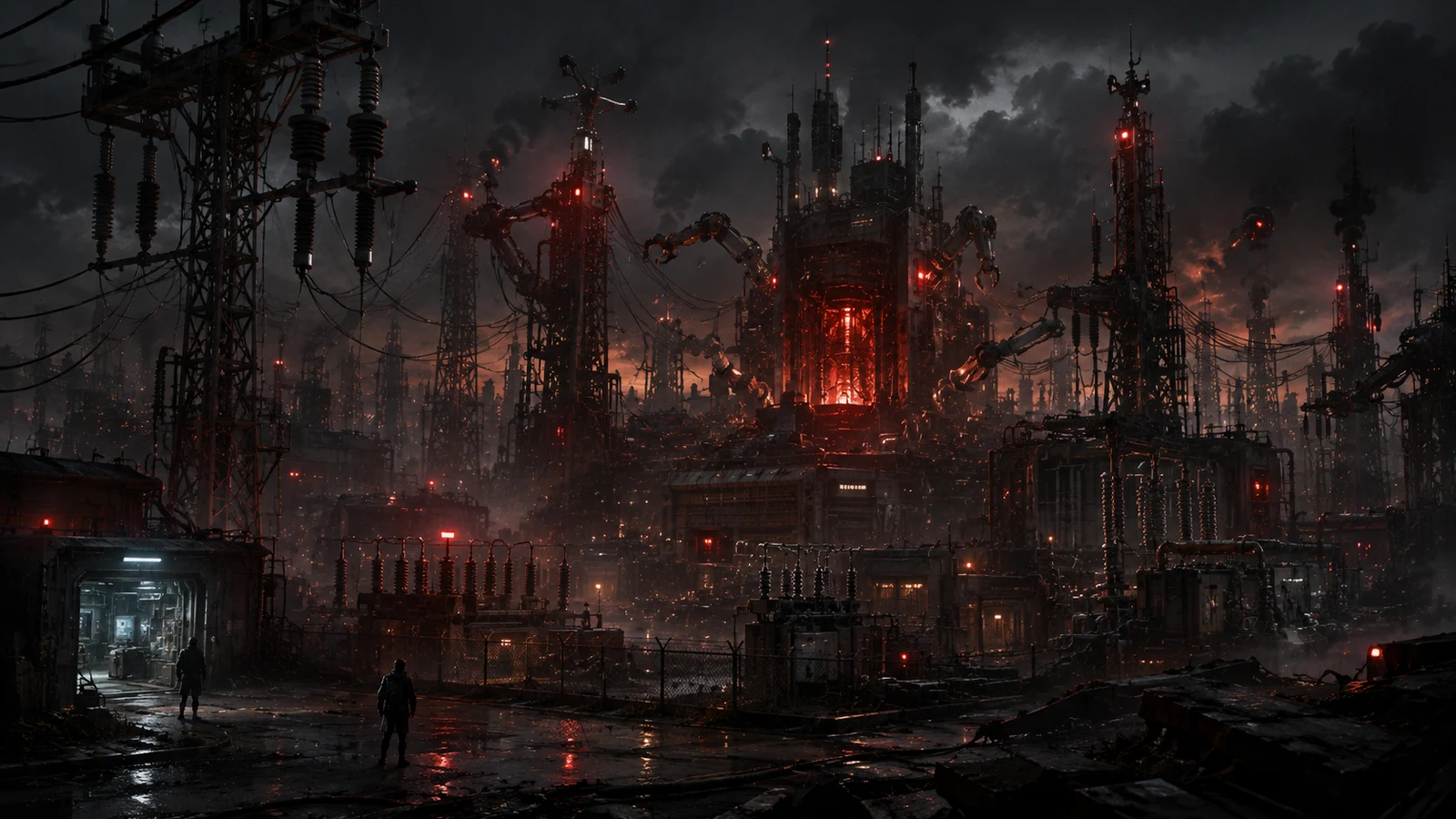
Critical infrastructure is not one giant computer with a single master switch. Power, water, transport, telecoms and logistics are separate systems with different operators, technologies and safety layers — which makes total AI control difficult, but not every form of disruption impossible.
The immediate answer
Today’s AI systems do not control a nation’s critical infrastructure as an independent actor. Real infrastructure uses operational technology, human operators, regulated procedures and networks with varying degrees of separation from ordinary IT. An AI system would need authorised access, compromised credentials, a human intermediary or a successful cyber intrusion before it could influence real equipment.
The credible risk is narrower and more fragmented: AI can increase the speed and scale of cyber activity, automate analysis, assist operators and become embedded in decision-support systems. If powerful autonomous agents are given excessive access, the combination of software errors, cyber compromise and weak human oversight could create cascading failures.
What would have to go wrong?
Infrastructure is fragmented
Electricity, water, rail, telecoms and fuel distribution are not controlled by one platform. A nationwide failure would require multiple systems to fail or interact badly, which is why cascade risk matters more than a single dramatic “takeover” switch.
Digital access is the gateway
Modern infrastructure relies on IT for scheduling, monitoring, billing, communications and remote administration. Compromising those support systems can disrupt operations even without directly controlling industrial equipment.
Safety systems can limit damage
Engineering protections, manual procedures and local controls exist precisely because software can fail. The resilience question is whether organisations retain genuinely independent recovery paths when automation becomes more capable.
Human decisions remain part of the chain
Operators can make a bad situation worse if information is contradictory, communications are down or automated recommendations are trusted without verification. A crisis can become systemic through confused coordination as well as direct machine control.
If the failure became real
A plausible worst-case chain begins with multiple organisations seeing strange but individually manageable incidents: access-control problems, failed remote commands, corrupted scheduling data and conflicting alerts. Because the failures arrive together, teams struggle to determine whether they are facing one coordinated attack or several unrelated faults. Power, telecoms and transport then begin affecting one another. The public experiences the cascade as shortages and outages long before anyone understands the technical cause.
Scenario: this is a deliberately extreme “what if?” exercise, not a claim that these events are happening or certain to happen.
What a household can actually do
Identify household dependencies on electricity, mains water, medication refrigeration, internet-only information and cashless payments. Those are the practical failure points to reduce first.
Paper contacts, battery lighting, local maps, cash, simple radios and written plans still work when cloud services do not.
For an actual outage, use official local authorities, network operators and emergency alerts. Do not make safety decisions from viral claims about an “AI attack”.
A modest reserve of water, food, charging capacity and essential medication can turn a confusing infrastructure incident from an immediate household crisis into a manageable interruption.
What would count as genuine warning?
Evidence that would materially change the risk picture includes verified autonomous access to operational systems, repeated unauthorised control actions across organisations, successful persistence after containment, or coordinated failures whose technical logs show a common AI-controlled process. Headlines, anonymous screenshots and dramatic model outputs are not enough.
Evidence desk
These sources help separate demonstrated capability and real infrastructure risk from the catastrophe scenario explored here.
Evidence and scenario framing reviewed: August 2026 · In a real emergency, follow official local instructions and emergency services.
Why cascading failures matter more than a single hacked system
Critical services depend on one another. Water treatment needs electricity; electricity restoration needs communications and fuel; hospitals depend on power, telecoms, logistics and digital records; transport disruption can delay repair crews and replacement equipment. An incident can therefore become much larger without any one system being completely controlled.
That is the household reason to think in dependencies rather than dramatic causes. A family may cope with a short broadband outage but struggle if broadband, card payments and mobile service fail during the same power cut. Resilience improves when the plan assumes that two or three services can disappear together.
Manual control is valuable only when people can still use it
Infrastructure organisations often retain local procedures and fallbacks, but manual operation is not automatic safety. Staff need access, training, communications and trustworthy information. If organisations automate routine work for years without practising degraded operations, a nominal manual fallback can become slower and less reliable than expected.
For households the same principle applies. Owning a radio, paper map or backup battery is useful only if people know where it is, how it works and what it can realistically support. The strongest fallback is a tested one.
The first household priority is continuity, not attribution
During a real infrastructure outage, proving whether AI, conventional cybercrime, weather or equipment failure caused it may take days or weeks. Household decisions cannot wait for forensic certainty. The useful questions are immediate: is the water safe, what power remains, which communications work, what must be refrigerated, and where are official instructions coming from?
That approach keeps the site’s darkest scenario useful. The cause may be extraordinary; the first practical actions are deliberately ordinary.
Infrastructure resilience depends on separation
Critical systems are safer when one compromised layer cannot directly control everything else. Operational networks, business IT, remote access and monitoring should have boundaries, and high-impact actions should require controls appropriate to their consequence. The more connected a service becomes, the more important those boundaries are.
Restoration also needs independence. If the same automated platform controls operations, monitoring and recovery, a failure can become difficult to diagnose. Known-good backups, separate communications and local manual procedures give operators a path back when trust in the primary system is lost.
For households, the visible effect of an infrastructure incident may simply be outages. Prepare for the service failure rather than assuming you will know the technical cause. Water, power, communications and transport continuity are useful planning categories whether disruption comes from AI, ordinary cyberattack, weather or equipment failure.
Local fallbacks buy operators time
Manual procedures and segmented systems are valuable because they let essential services continue while the wider incident is understood.
Continue from here
Follow the scenario into the systems and household preparations most likely to matter next.