AI JOBS & INCOME
Will AI Replace Plumbers? AI Can Diagnose, but the Leak Is Still in the Wall
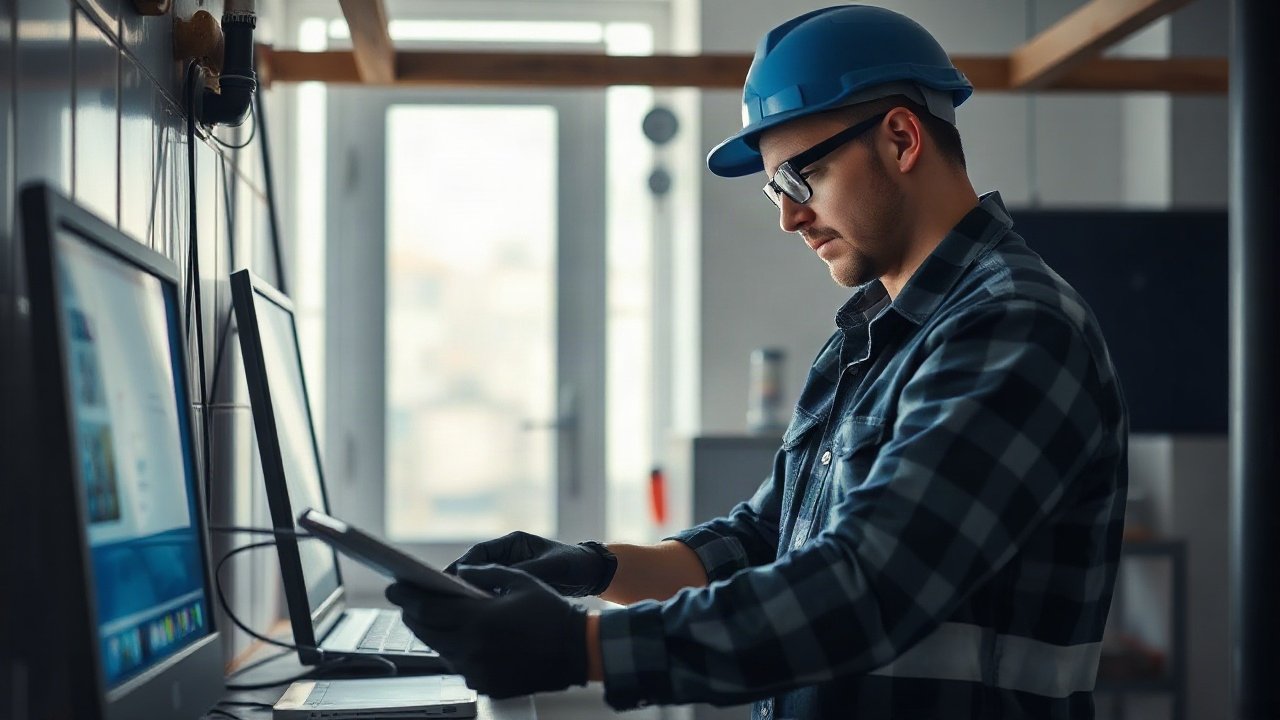
AI can help identify likely faults, schedule work, estimate materials and interpret sensor data. Plumbing itself happens in wet, cramped, inconsistent physical environments where somebody still has to find the real leak, isolate the system, remove fittings and make the repair work in the property that actually exists.
A model that can explain how to fix a leak is not the same as a system that can safely reach the pipe, diagnose the unexpected cause and repair it without damaging the building.
Leak detection will become more data-driven
Smart meters, pressure sensors and acoustic tools can identify unusual water use or narrow the likely location of a leak. AI can help combine those signals and flag a problem before visible damage appears. That improves diagnosis and may reduce the time a plumber spends searching.
The final cause can still be anything from a failed seal to hidden corrosion, movement or poor earlier workmanship. Once the system identifies the likely area, somebody has to access it and discover what is actually there.
Domestic plumbing is full of irregular environments
Under sinks, behind baths, inside lofts and below floors are not standard robotic workspaces. Pipes may be inaccessible, fittings seized, dimensions non-standard and previous repairs improvised. Every property contains its own history.
That variability is a strong automation barrier. A robot capable of doing reliable plumbing would need the dexterity and situational judgement to work around fragile finishes, water, tools and people in spaces never designed for automation.
Heating systems create more diagnostic automation
Modern boilers, heat pumps and smart heating controls produce fault codes and operating data that software can analyse. AI can suggest likely components, identify inefficient operation and guide a technician through checks.
That does not remove the need to verify the fault, handle refrigerants or gas where relevant, drain systems, replace components and recommission safely. The physical and regulated parts of the job remain.
Quoting and scheduling can become almost automatic
A plumbing business can use AI to answer routine enquiries, book appointments, prepare estimates and generate follow-up messages. Photos and customer descriptions may help produce a provisional quote before the visit.
Those systems can reduce office work and allow smaller firms to look more organised. They also raise expectations that plumbers respond quickly and price efficiently, changing the business side even if the repair work remains human.
Emergency work is particularly hard to automate
Burst pipes, blocked drains and failed heating often arrive with incomplete information and pressure to act quickly. The plumber has to decide what can be isolated, what damage is spreading and whether a temporary repair is enough until parts arrive.
AI can support the decision, but emergency work rewards broad practical experience and improvisation. A generic procedure rarely covers every property condition.
New building methods may reduce some on-site labour
Modular bathrooms, prefabricated pipe assemblies and standardised service modules can move work into controlled factory environments where automation is easier. That can reduce the amount of labour needed on certain new-build projects.
Retrofit and maintenance are much harder to standardise. Existing housing stock keeps plumbers working in buildings that were never designed around the latest systems.
Water, heat pumps and efficiency upgrades can sustain demand
Building decarbonisation and efficiency work can create new installation demand for heat pumps, hot-water systems and controls. Plumbing skills remain part of that transition even as software improves design and commissioning.
The employment outcome therefore depends on both productivity and workload. Better tools may let one plumber complete more jobs while new infrastructure creates more jobs to complete.
The resilient plumber becomes better at systems, not only fittings
Workers who understand controls, diagnostics, heat pumps, water efficiency and complex heating systems can move toward the higher-context side of the trade. AI becomes another diagnostic tool rather than a substitute for practical competence.
Plumbing is likely to automate around the edges long before the core physical repair disappears. The strongest career defence is being the person who can turn a digital diagnosis into a safe working system in the real building.
Continue from here
Evidence baseline
- International Labour Organization — Generative AI and jobs: 2025 update
- UK Government — AI capabilities and the UK labour market
Physical, site-based work remains less exposed to software-only automation than routine digital tasks. Plumbing combines diagnosis with dexterous physical repair in highly variable environments.
Inspection and commissioning keep the job tied to real performance
A new heating or water system can look correct on paper and still perform badly because of flow rates, balancing, insulation, controls or installation quality. Commissioning requires measurement and adjustment in the finished property rather than trusting the design alone.
AI can analyse sensor data and suggest settings, but somebody has to confirm the system is actually delivering hot water, heat and safe operation across the building. That practical verification is difficult to remove.
Insurance and property damage raise the cost of mistakes
A plumbing error can flood a home or damage expensive finishes. That makes customers and insurers care about who performed the work and whether the repair can be defended if something fails later. A cheap automated recommendation has limited value if nobody is prepared to stand behind the result.
As AI becomes common in diagnosis, accountable workmanship may become a stronger selling point rather than a weaker one.
Small firms can use AI as an office assistant
Many plumbers spend unpaid time answering messages, preparing quotes and chasing invoices. Automating those tasks can make a one-person business more competitive without replacing the person who earns the revenue on site.
That is one of the more likely near-term outcomes for trades: fewer administrative hours around the job, not fewer people capable of doing the physical job itself.
Customer trust matters when a repair is hidden behind a wall
Homeowners often cannot directly judge the quality of pipework once the floor or wall is closed. They rely on the plumber's reputation, explanation and willingness to return if a problem reappears. That trust has commercial value beyond the physical repair itself.
AI may improve diagnosis and quoting, but a local tradesperson who can inspect the property, explain the options and stand behind the work retains a role that a remote recommendation does not fully replace.