AI JOBS & INCOME
Will AI Replace Electricians? Physical Work Is a Different Automation Problem
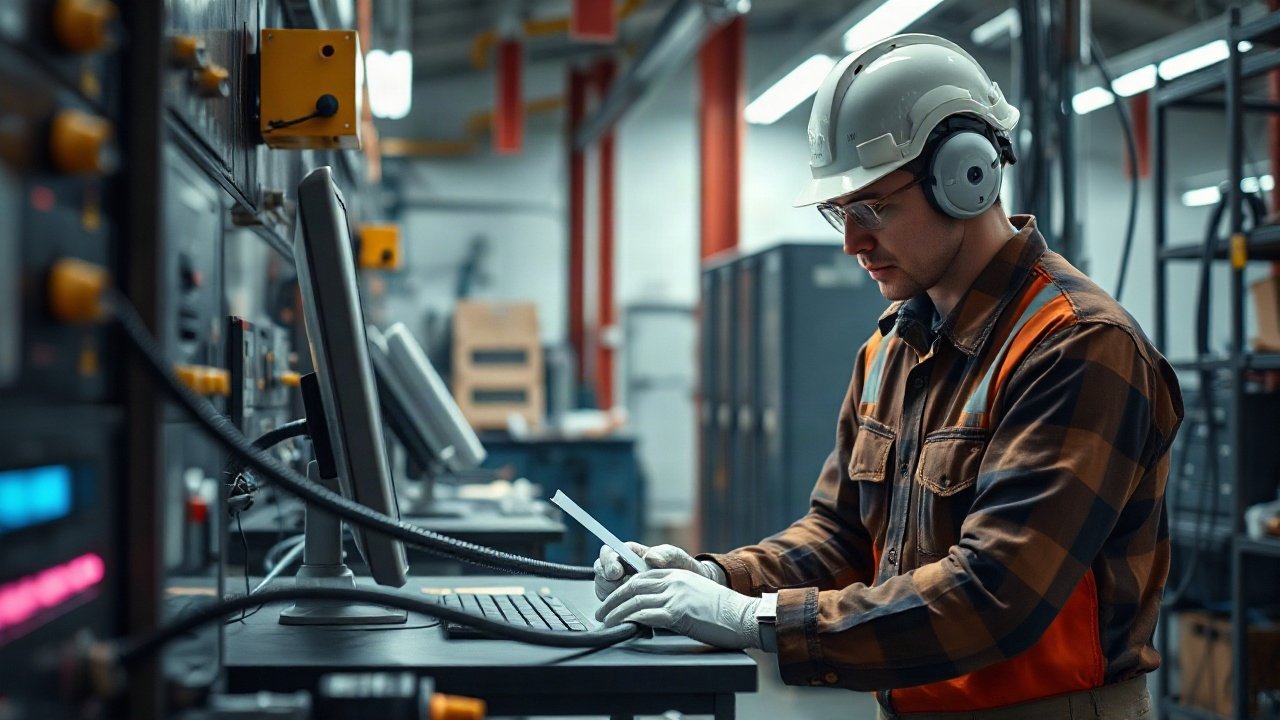
AI can help electricians diagnose faults, estimate jobs, read technical documentation and prepare compliance paperwork. Replacing the electrician is much harder because the core work happens in physical buildings full of hidden wiring, awkward access, old installations and safety-critical decisions.
Software can automate information tasks around electrical work without being able to safely isolate, inspect, repair and certify a real installation in an unpredictable property.
Diagnostics will improve before physical repair disappears
AI can compare symptoms, circuit readings and equipment data to suggest likely faults. Smart test equipment may increasingly highlight unusual patterns or recommend the next measurement. That can make troubleshooting faster and help less experienced workers narrow the search.
The electrician still has to decide whether the data is trustworthy, isolate the supply safely and confirm the real fault. A building may contain undocumented alterations, damaged accessories or wiring that does not match the expected diagram. The physical inspection remains the point where theory meets the actual installation.
Electrical work happens in environments robots do not control
A factory robot succeeds because the workspace is engineered for repeatability. Domestic and commercial electrical work is the opposite. Cables run behind finished walls, lofts are cramped, access is obstructed and previous work may have been modified repeatedly over decades.
A general-purpose robot would need mobility, dexterity, perception and safe tool use across thousands of layouts before it could replace a human electrician end to end. That is a much bigger challenge than automating a desk task.
Design and load calculations are increasingly automatable
AI-assisted software can help size circuits, compare equipment, estimate loads and prepare draft designs from structured inputs. It can also search regulations and manufacturer information faster than manual lookup. These tools can reduce time spent on planning and administration.
The risk is treating a generated calculation as automatically correct. The electrician or designer still needs to understand the assumptions, site conditions and consequences of an error, particularly where protective devices, earthing or fault current are involved.
Quoting and paperwork are vulnerable to automation
Job estimates, materials lists, appointment messages and standard certificates can all be partially automated. A contractor with good digital systems may handle more enquiries with fewer office hours and produce documentation faster after a site visit.
That can affect administrative roles around electrical businesses, but it can also increase the number of jobs one electrician can complete. Productivity pressure is more likely to change how the business runs than remove the tradesperson who performs the installation.
Safety and compliance keep responsibility attached to people
Electrical work can cause shock, fire or serious property damage when it is wrong. Someone must decide whether an installation is safe, whether further investigation is needed and whether work meets the relevant standard. AI can assist that decision without carrying the professional consequence in the same way.
As diagnostic tools become more capable, the electrician's value can move further toward verification and accountability. The person who signs off the work needs to understand why the result is safe, not merely repeat what a tool reported.
New technology can create more electrical work
Electric vehicles, heat pumps, solar, battery storage, smart controls and data-centre expansion all create electrical installation and maintenance demand. AI may make parts of that work more efficient while the volume of electrification grows.
That means automation and demand can move in opposite directions. One electrician may complete more jobs with better tools while the economy also needs more electrical work overall.
Routine environments may automate earlier
Large industrial sites, modular construction and standardised buildings are easier places to introduce robotics because the environment can be designed around the machine. Prefabricated electrical assemblies can also move labour away from the final site.
Electricians whose work is entirely repetitive may therefore face more automation pressure than those dealing with fault finding, retrofit, maintenance and unusual sites. The same trade contains different exposure profiles.
The resilient electrician combines trade skill with digital systems
Learning to use advanced test equipment, building-management systems, EV charging, renewables and AI-assisted diagnostics strengthens the part of the job where technology expands capability rather than replaces it. The durable advantage remains the ability to solve a real problem safely on site.
For career planning, electrical work has stronger physical and safety barriers to full AI replacement than most office occupations. The reasonable expectation is changing tools and faster workflows, not a near-term disappearance of electricians.
Continue from here
Evidence baseline
- International Labour Organization — Generative AI and jobs: 2025 update
- UK Government — AI capabilities and the UK labour market
Task-based AI exposure research consistently finds physical, site-based work harder to automate with software alone. Electrical work also retains human safety and regulatory responsibility even when diagnostic tools improve.
Inspection work becomes more important as systems get smarter
Smart homes, battery systems and building controls generate more diagnostic data, but they also create more ways for configuration, firmware and physical installation to interact. An electrician may increasingly spend less time finding a simple fault and more time deciding whether the problem is wiring, software, a sensor or the way several systems have been integrated.
That favours workers who understand both electrical fundamentals and digital controls. AI can narrow the possibilities, but the electrician still has to prove which component is actually unsafe or defective on site.
Pricing pressure can come from productivity rather than replacement
If AI-assisted quoting, diagnosis and paperwork let one electrician complete more work, customers may expect quicker turnaround and firms may compete harder on price. The economic effect of automation can therefore appear in margins and output per worker before it appears in employment numbers.
Electricians who specialise in higher-value areas such as renewables, storage, complex fault finding and commercial systems are better placed than those relying only on routine, easily standardised jobs.
Fault finding rewards accumulated site experience
Experienced electricians recognise patterns that are difficult to capture in a checklist: the smell of overheated insulation, the kind of alteration likely in a certain age of property, or which test result does not fit the rest of the circuit. AI can suggest possibilities from measurements, but site experience helps decide which possibility deserves attention first.
That tacit knowledge is likely to remain valuable even as digital diagnostics improve, particularly in retrofit and maintenance work where the installation history is incomplete.