Health, First Aid & Hygiene • CARBON MONOXIDE
Carbon Monoxide Blackout Risk: Generators, Heaters and the Silent Danger Indoors
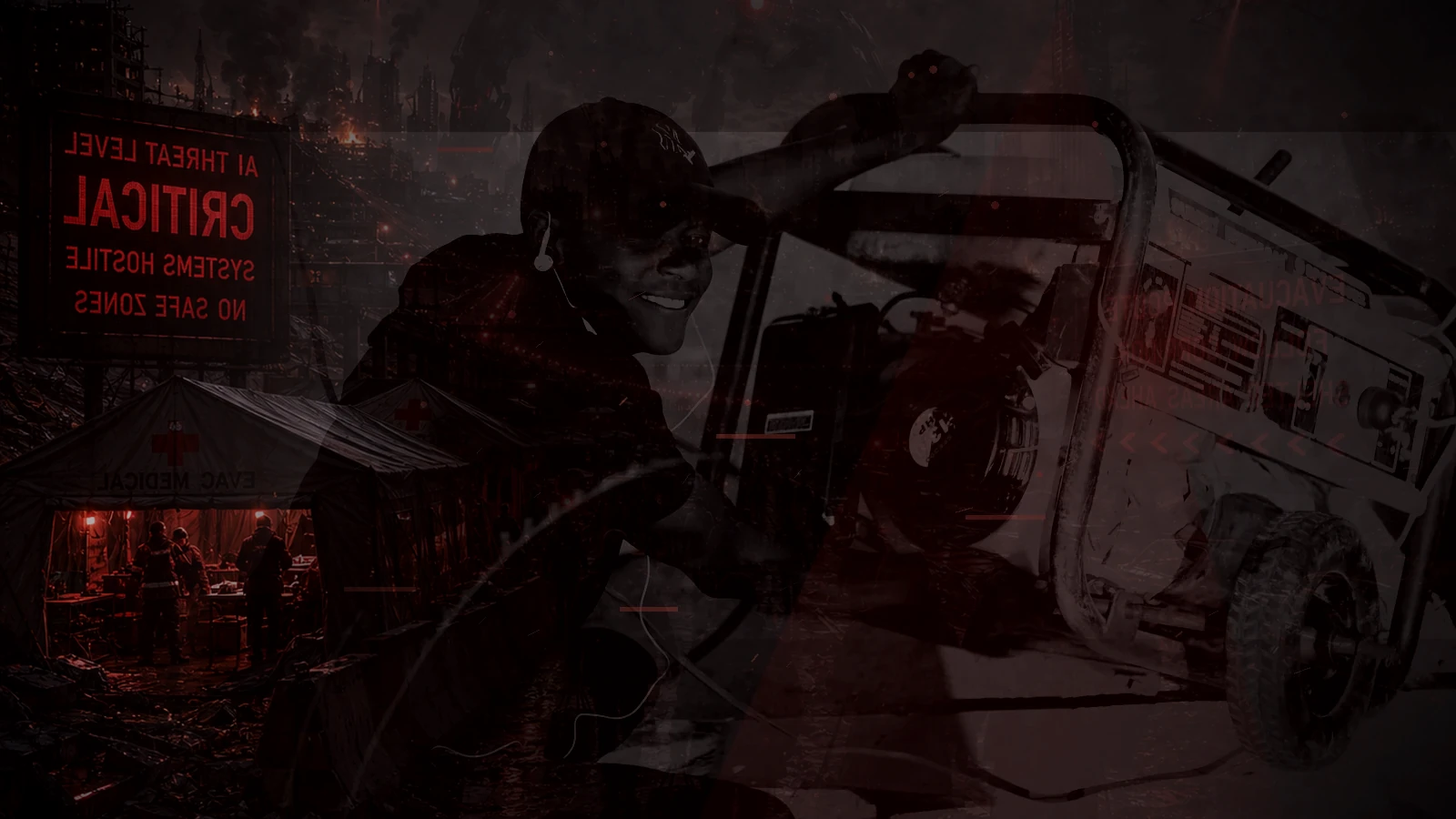
A blackout can remove normal heating and cooking options at exactly the moment people are tempted to improvise. Carbon monoxide is dangerous because you cannot see, smell or taste it.
The immediate answer
Never use a barbecue, charcoal grill, camping stove or portable generator inside a home, garage, tent, shed or other enclosed space. Generators should be positioned outdoors according to manufacturer instructions and away from openings where exhaust could enter. If a carbon monoxide alarm sounds or people develop suspicious symptoms around combustion equipment, get into fresh air and seek urgent medical advice.
Why blackout conditions increase the risk
When heating, electric cooking and hot water fail, households may reach for camping gear, patio appliances, generators or improvised heaters. Those devices were not designed to become indoor substitutes. At the same time, people may close windows to preserve heat, increasing the danger of exhaust accumulation. Darkness and fatigue also make unsafe setup mistakes more likely.
Treat garages and partially open spaces as hazardous
An open garage door does not make generator use inside the garage safe. Exhaust can still accumulate and migrate into the home. The same principle applies to covered porches, conservatories, tents and enclosed balconies. Follow the manufacturer’s placement instructions and keep combustion sources well away from doors, windows and vents.
Use alarms as a layer, not permission
A working carbon monoxide alarm is an important safety layer, particularly in homes with fuel-burning appliances, but it is not permission to operate unsuitable equipment indoors. Test alarms according to the manufacturer’s guidance and know what the alarm sounds like. If an alarm activates, do not simply silence it and carry on using the suspected appliance.
Know the symptoms without trying to diagnose yourself
Carbon monoxide poisoning can cause headache, dizziness, nausea, weakness, tiredness, confusion, chest pain and shortness of breath. Symptoms may improve after leaving the affected space, but that does not prove the danger has passed. If carbon monoxide is suspected, move to fresh air and follow NHS emergency advice.
Think about neighbours and attached properties
Exhaust and fumes do not respect property boundaries. In flats, terraces or closely spaced homes, unsafe generator or barbecue use can affect other people as well as the household operating it. Avoid locating exhaust near shared entrances, air vents or neighbouring windows. If you suspect fumes entering your home from elsewhere, move to fresh air and seek advice.
Build heat resilience without combustion shortcuts
Warm clothing, layers, blankets, closing unused rooms and identifying a safer warm location are preferable to bringing outdoor combustion appliances inside. If a home becomes dangerously cold, especially for vulnerable residents, the plan should include relocation rather than increasingly risky heating improvisation.
Make carbon monoxide part of the blackout checklist
Add “no outdoor cooking or generators indoors” to the household plan, identify safe generator placement before purchase, keep alarms maintained and make sure every adult understands the symptoms and evacuation response. The rule should be decided before the emergency, because cold and stress are poor conditions for safety decisions.
Never bring outdoor combustion equipment indoors
Portable generators, barbecues, camping stoves and similar equipment can produce carbon monoxide. They should not be used inside homes, garages, sheds, tents or other enclosed spaces unless the equipment is specifically designed and installed for that environment. Open doors or windows do not make an unsafe setup reliably safe.
Follow manufacturer guidance and current fire-service or public-health advice for any fuel-burning backup equipment.
Keep carbon-monoxide alarms working
If the home uses fuel-burning appliances, working carbon-monoxide alarms provide an important layer of protection. Check batteries or backup power as part of the blackout kit and make sure household members know what the alarm sounds like and what to do if it activates.
If an alarm sounds, move to fresh air and follow emergency guidance. Do not stay inside trying to identify the source first.
Know the symptoms that deserve urgent attention
Headache, dizziness, nausea, weakness, confusion or unusual drowsiness can have many causes, but in a setting where combustion equipment is operating they should raise concern. If carbon monoxide exposure is possible, move away from the source and seek urgent medical help.
Preparedness should never replace safe equipment use. The strongest protection is preventing carbon monoxide from entering the living space in the first place.
Keep fuel-burning equipment away from openings
Even when a generator or other approved outdoor appliance is used outside, exhaust can still enter through nearby doors, windows or vents. Follow manufacturer siting guidance and keep equipment well away from places where fumes could be drawn into the building.
Do not move equipment closer simply because of rain, theft concern or cable convenience if doing so compromises safe exhaust separation.
Make the shutdown routine obvious
Everyone likely to operate the equipment should know how to turn it off safely and what to do if a carbon-monoxide alarm sounds or anyone develops concerning symptoms. Keep the instructions accessible without internet access.
Simple, rehearsed shutdown procedures reduce hesitation when the household needs to act quickly.
Keep fuel, combustion equipment and sleeping areas conceptually separate in the blackout plan. Convenience should never be allowed to move an outdoor device into an enclosed space simply because the weather is bad or the cable run is shorter.
Keep the generator or other fuel-burning equipment plan separate from ordinary indoor living space. If weather or security makes the safe setup impractical, change the power plan rather than moving the equipment into a more dangerous location.
Keep the safest option as the default: if a fuel-burning setup cannot be used exactly as intended, do not improvise a more convenient indoor alternative.
Keep combustion outside and ventilation rules non-negotiable.
Keep every fuel-burning backup device exactly where its safety guidance requires.
Keep exhaust outside.
Keep safe siting non-negotiable.
Keep exhaust-producing equipment outside and follow its siting instructions even when bad weather or convenience makes a closer location tempting.
Continue from here
Build this topic into a wider plan, then see how the same dependency could fail in an AI-collapse scenario.
Evidence desk
This guide uses current UK health and emergency-preparedness guidance. The AI-collapse framing is a scenario; the health actions are ordinary evidence-led safety measures.
Continue
More Health, First Aid & Hygiene guides → · 72-hour survival manual →
FREE 25-PAGE FIELD MANUAL
Your first 72 hours should not live in your head.
Turn the advice into a written household plan: water, power, food, communications, health continuity, information verification and movement decisions.