INTERACTIVE TOOL // FAST EXIT
Go Bag Builder
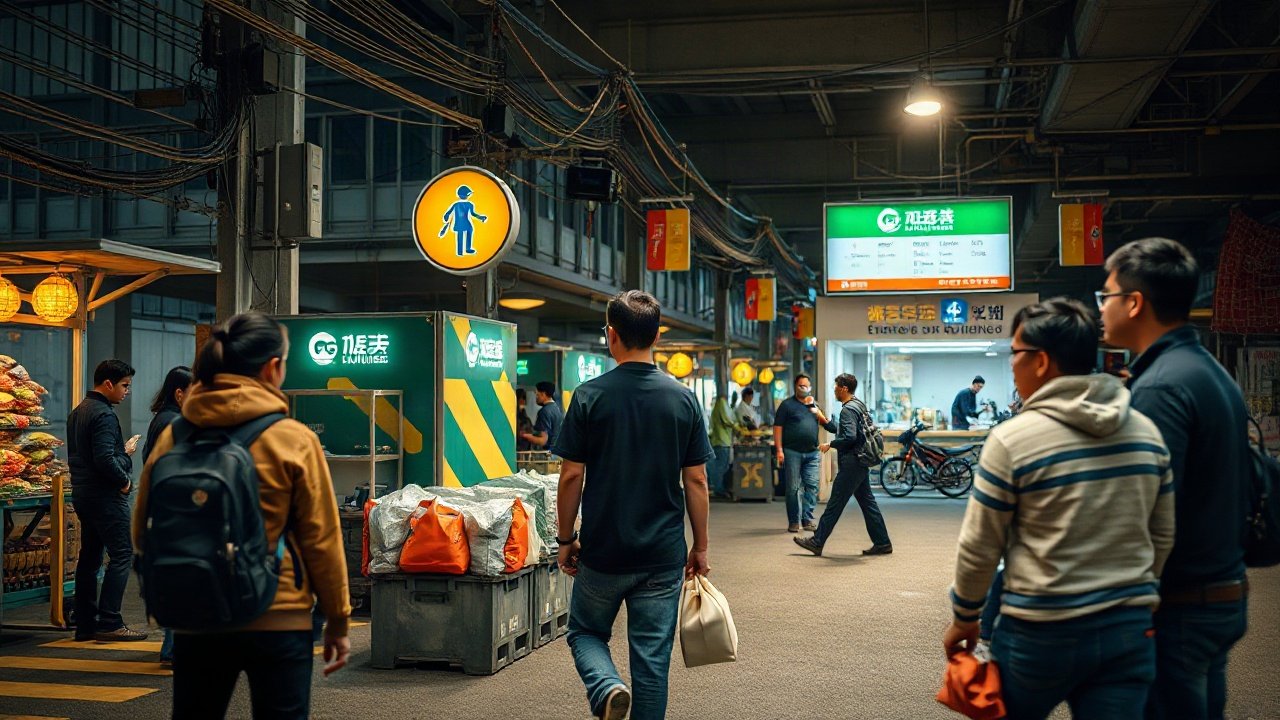
If the instruction to leave comes at 03:17, the useful bag is the one already packed — not the perfect list saved on your phone. Build a fast-exit kit around the people, conditions and journey you might actually face.
A substation fire has taken out the district. Autonomous systems are issuing conflicting road closures. The building next door is burning and a police loudspeaker is telling the street to move. You may be out for six hours or three days. The lift is dead. Your phone is at 27%.
This builder does not promise a magic apocalypse backpack. It helps you identify a compact set of basics that can support a short emergency evacuation.
Audit the bag
Your go-bag result
Tick the categories you already have to reveal the gaps and tailored priorities.
A go bag is an evacuation tool, not your whole survival stockpile
The biggest mistake is trying to carry the house. A go bag should help you leave quickly, stay informed, handle basic needs and reach somewhere safer. If it becomes so heavy that an adult cannot carry it comfortably down stairs or walk with it for a useful distance, the bag may undermine the very mobility it is supposed to provide.
Water creates the obvious trade-off because it is heavy. Carry a realistic amount for the journey and know where additional safe water could come from rather than pretending a single backpack can hold three days of water for a whole family. Medicines, weather protection, light, communications, identification and the items that are genuinely unique to your household often deserve priority over duplicated gadgets.
Build for the evacuation you could actually face
A city evacuation after a prolonged power failure looks different from leaving because of a nearby fire. One may involve long walking distances, closed stations and failed card payments. The other may require leaving in minutes and spending the night with relatives. The bag should support both without becoming theatrical.
If children, pets, mobility aids or sensory needs are involved, distribute supplies sensibly rather than loading one person with everything. Keep essential medicine and critical documents where the person who depends on them can reach them. In cold or wet conditions, dry layers and simple weather protection may outrank extra electronics. In hot weather, water access and heat protection rise sharply in importance.
The AI-doomsday twist: do not assume the phone is the plan
Our fictional nightmare removes a comfort most modern evacuation advice quietly assumes: trusted digital information. Imagine navigation services giving inconsistent routes, fake clips circulating from supposed officials and transport apps showing services that are no longer running. The bag becomes more valuable when it contains a paper map, written contacts, a small radio and enough power to use the phone selectively rather than continuously.
The objective is not to make readers live out of backpacks. It is to buy options. A packed bag can turn “we need to leave” from a frantic search through drawers into a decision measured in minutes. That time matters even in ordinary emergencies. In the worst fictional scenario, it may be the difference between leaving ahead of the crowd and becoming part of it.
Use the builder to control weight
A go bag should be portable enough for the person expected to carry it. Use the builder to prioritise water, medication, documents, lighting, charging, weather protection and basic food before adding comfort or specialist items. The result is strongest when it produces a realistic load rather than the longest possible checklist.
After building the list, pack the bag and walk with it. Remove anything that makes the load impractical for the intended user.
Keep home and evacuation supplies separate
Large food reserves, bulky water containers and household tools may be useful at home but poor choices for a bag. The builder should focus on the first stage of movement while the wider home kit stays behind.
Use an attached grab list for the few things that cannot live permanently in the bag, such as current medication, glasses or a phone.
Review after household changes
Children grow, prescriptions change, pets are added and destinations move. Re-run the builder when those things change rather than assuming the old list still fits the household.
Preparedness improves when the bag remains current, tested and easy to understand.
Build for movement, not maximum capacity
A go bag has to be carried, found quickly and used under poor conditions. Weight matters. Prioritise water, essential medication, basic first aid, weather protection, lighting, communication, identification and a small amount of suitable food before adding specialist extras. A lighter bag that covers critical needs is often more practical than one overloaded with equipment that never leaves the house.
Where the bag is stored matters as much as what is inside it. Keep it somewhere accessible on the likely exit route and make sure every adult in the household knows where it is. If several people may leave separately, consider whether critical items should be duplicated rather than stored in one bag.
Check fit, expiry dates and seasonal needs
Medication, food, batteries and documents need periodic review. Clothing and weather protection may also need changing between seasons. Put the bag on occasionally and walk with it; that simple test reveals excessive weight, uncomfortable straps and items that have become impractical.
Continue from here
Build this topic into a wider plan, then see how the same dependency could fail in an AI-collapse scenario.