AI ECONOMY • DEBT • MARKETS
Could AI Cause a Recession? The Boom, Bust and Labour-Market Pathways
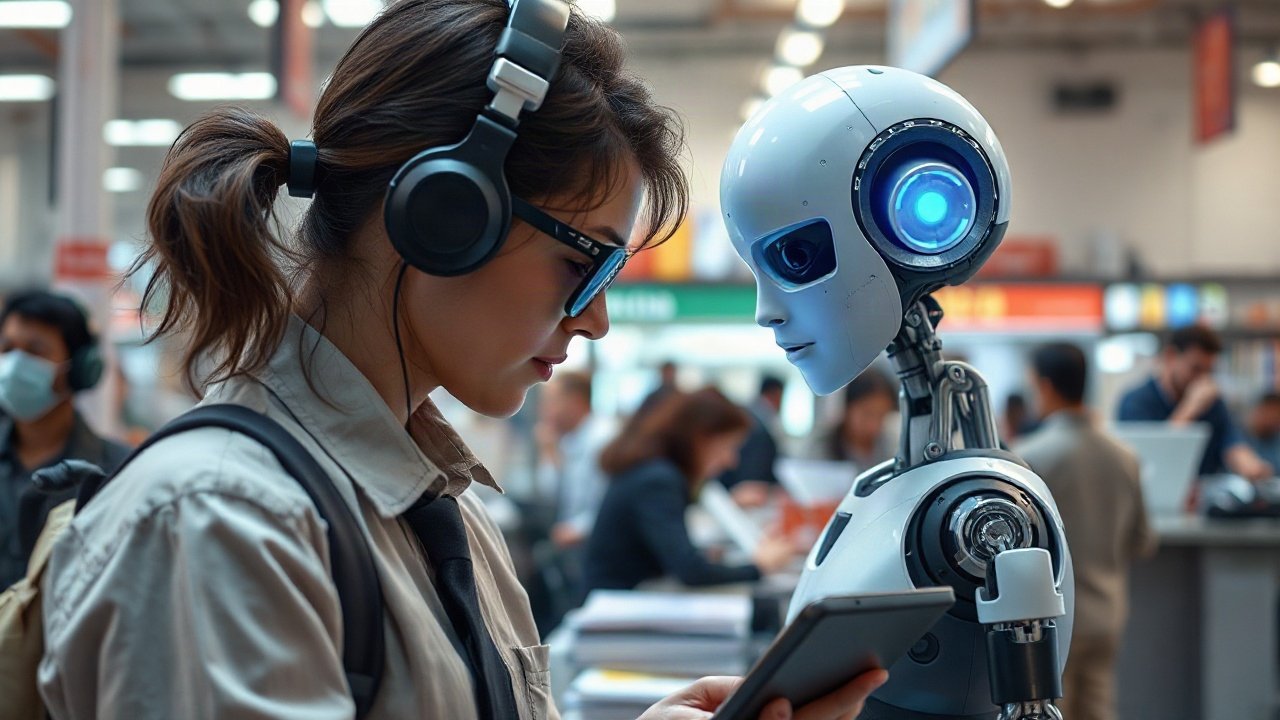
AI could raise productivity and support growth. It could also contribute to a downturn if an investment boom reverses sharply, financial losses tighten credit and labour-market disruption arrives faster than new demand. Those are competing pathways, not a single forecast.
The growth case comes first
AI can lower the cost of producing information, software, analysis and some services. If firms adopt it effectively, the same workers and capital can produce more. Higher productivity can raise profits, wages and living standards while creating demand for new products and infrastructure.
The current investment boom also contributes directly to economic activity. Data centres, chips, power equipment and construction support jobs and orders before the full productivity payoff is known. BIS analysis says AI investment is already a substantial contributor to growth in some economies.
A recession risk appears if investment reverses
Booms become macroeconomic risks when large amounts of activity depend on continued expansion. If expected AI returns fall, companies may cut capital expenditure, cancel projects and reduce hiring. Suppliers then lose orders and workers reduce spending, turning a sector correction into a broader demand shock.
The size of that effect depends on how large the AI investment chain has become relative to the economy and whether other sectors remain strong. A technology downturn can be painful without being large enough to create a national recession.
Falling asset prices can weaken spending and confidence
AI-related companies now represent a large share of major global equity indices. A sharp correction could reduce household and institutional wealth, especially in markets where retirement assets and investment portfolios are heavily exposed to those indices. Businesses can also interpret falling markets as a signal to delay spending.
The Bank of England considers this concentration an important transmission channel. Even the UK, whose domestic equity index is less AI-heavy, can be affected through global markets, investment funds and tighter international financing conditions.
Debt can turn a valuation shock into a credit shock
When projects are financed with debt, disappointing cash flows can weaken borrowers and lenders rather than only equity holders. Banks and private-credit funds may respond by tightening standards or charging more across other sectors. Companies with no connection to AI can then find borrowing more expensive.
Immediate systemic risk remains uncertain because the accumulated AI debt stock is still developing and many major borrowers are financially strong. The concern is forward-looking: rapid new borrowing increases the number of channels through which future disappointment could spread.
Labour disruption can pull in opposite directions
AI adoption can reduce demand for certain tasks at the same time that successful firms expand in other areas. If displaced workers move quickly into new work, productivity gains can support growth. If job loss or weaker hiring is concentrated and retraining is slow, household income and consumption can fall.
A technology-investment bust could make that adjustment harder by reducing the number of new roles available just as automation pressure increases elsewhere. That combination is a plausible recession channel, but current evidence does not establish that it will dominate.
Cheaper AI can be both a shock and a stimulus
A breakthrough that makes AI dramatically cheaper could damage companies whose valuations depend on scarce expensive compute while benefiting millions of businesses that can suddenly use powerful tools at lower cost. The same event can therefore hurt the AI supply chain and improve productivity elsewhere.
This is one reason a simple 'AI crash equals recession' story is unreliable. Economic effects depend on who loses capital, who gains lower costs and how quickly resources move from overbuilt parts of the ecosystem into productive uses.
Policy response changes the outcome
Central banks and governments respond to recessions, financial stress and unemployment. Interest rates, liquidity facilities, fiscal policy, insolvency processes and labour support can all reduce amplification. Financial institutions also hold capital and risk controls designed to absorb losses.
A severe fictional collapse scenario can assume those responses fail. An evidence-led economic page should not. Real recession analysis has to include the institutions that adapt when conditions worsen.
Household preparation should be recession-proof rather than prediction-dependent
The practical household response is the same whether a downturn comes from AI, energy prices, geopolitics or an ordinary credit cycle: know essential costs, maintain employability, avoid depending on a single fragile income source where possible and keep important financial records accessible.
None of that requires selling investments because of a headline or trusting an AI market forecast. The FCA specifically warns that AI cannot predict sudden market crashes. Resilience is about surviving uncertainty rather than pretending to remove it.
Continue from here
Evidence baseline
- Bank of England — Financial Stability Report, July 2026
- BIS — Financing the AI boom: from cash flows to debt
- IMF — AI: Deployment and Disruption
BIS and IMF analysis emphasises both AI's potential productivity gains and the macrofinancial risks of debt-financed investment, market revaluation and uneven labour adjustment.
A productivity shock can create temporary disruption even when the long-run effect is positive
Technologies that raise output can still force painful adjustment. Firms reorganise, some skills lose value and capital moves between sectors. If that happens quickly, workers and businesses can reduce spending before the new productive uses of the technology are large enough to replace the lost demand. The transition can therefore be weak even when the eventual productivity outcome is strong.
This timing problem is one reason central banks describe AI as affecting both demand and supply. Strong infrastructure spending can make the economy look hotter while automation and uncertainty change hiring at the same time. The signals do not all point in one direction.
Recession headlines often confuse cause with coincidence
If a downturn occurs while AI investment is booming or correcting, commentators will naturally connect the two. Proving the size of AI's contribution is harder. Interest rates, energy prices, trade, fiscal policy, consumer confidence and ordinary credit cycles can all move simultaneously.
A useful explanation should therefore identify the mechanism rather than merely the timing. Was investment cut? Did lenders tighten after losses? Did household wealth fall enough to reduce spending? Did employment weaken specifically in exposed sectors? Those questions make the AI link testable instead of rhetorical.